





The Bedroom as a Personal Universe
For a generation that grew up online, personal space is both physical and digital. The bedroom has evolved into the ultimate backdrop for life—a place to study, socialise, create TikToks, and decompress. More than just a room with a bed, it’s a hyper-personal
environment that needs to adapt to different moods and activities throughout the day. This desire for customisation has fueled a wave of decor trends focused on flexibility and self-expression, moving away from static furniture and towards elements that can be changed on a whim. The goal is to create a space that feels like an extension of one's personality and online aesthetic, a concept that traditional lighting has struggled to keep up with.
What Are Smart Mood Lights?
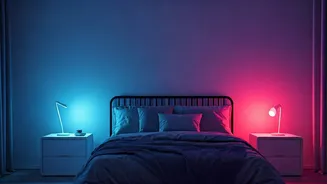
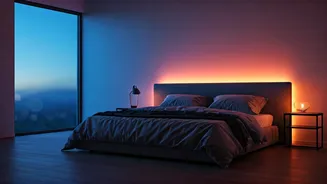
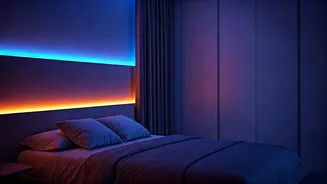
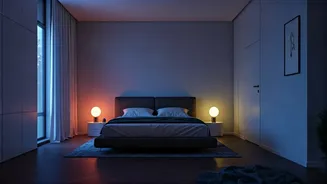
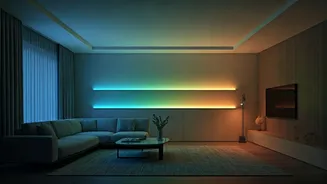
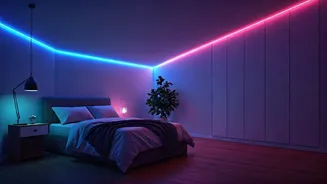
Enter the hero of modern bedroom design: smart, color-changing LED lights. These aren't your parents' boring beige lampshades. Typically available as flexible adhesive strips (LED strips) or individual smart bulbs, these lights connect to your home Wi-Fi. This allows you to control them through a smartphone app or even with voice commands via assistants like Alexa or Google Assistant. The magic lies in their versatility. With a few taps on your phone, you can change the color from a calming blue to an energetic red, adjust the brightness, or even set up dynamic scenes where the colors pulse and change in rhythm with music. It’s an affordable, high-impact way to completely transform the atmosphere of a room in seconds, making it perfect for setting a mood for gaming, studying, or just hanging out.
The Psychology of Colorful Lighting
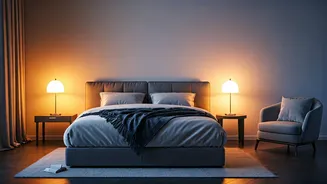
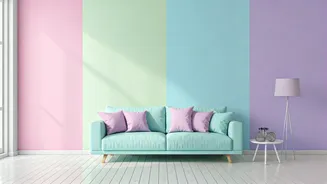
The appeal of mood lighting goes deeper than just cool tech. It taps into the well-documented connection between color and emotion. Different hues can influence our mood and perception of a space. For instance, cool colors like blues and greens are known to promote calmness and relaxation, making them ideal for winding down before sleep. Warm colors like reds, oranges, and yellows can create a sense of energy, coziness, and intimacy. Purples and pinks are often associated with creativity, fun, and a touch of futuristic flair—a popular aesthetic seen across social media. By giving users a full spectrum of colors to choose from, smart lights empower them to become 'vibe curators,' actively designing their environment to match or influence their emotional state.
How to Create the Perfect Vibe
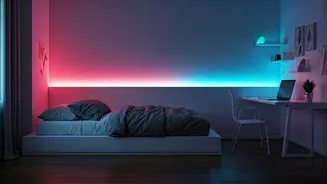
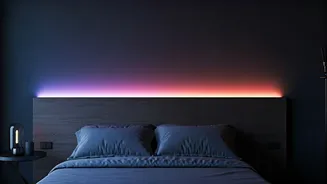
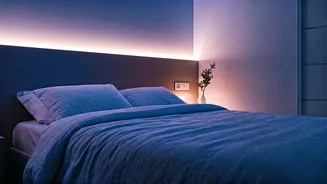
Getting the look right is all about creative placement. Instead of just running a single strip across a wall, think like a designer. One popular technique is backlighting. Applying LED strips to the back of a TV, computer monitor, or headboard creates a soft, ambient glow that reduces eye strain and makes the screen pop. Another common use is architectural highlighting. Placing strips along the border where the wall meets the ceiling (known as cove lighting) can make a room feel larger and more dramatic. You can also frame a mirror, run lights under the edge of a bed for a 'floating' effect, or highlight shelving to showcase your favourite items. The key is to use the light indirectly to wash the walls with color, rather than having the bare LEDs pointing directly at you.
What to Look For When Buying
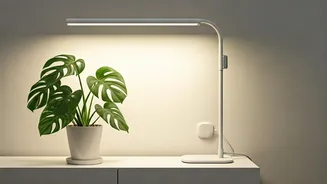
Ready to upgrade your own space? Here’s what to consider. First, check for app compatibility and ease of use—a good app gives you full control over colors and scenes. Second, consider brightness, measured in lumens; brighter isn't always better for mood lighting, so look for dimmable options. For LED strips, measure the area you want to cover to ensure you buy the right length. Many kits are extendable or can be cut to size. Finally, check for features like music sync, which makes the lights react to sound, or scheduling, which lets you automate your lighting to wake you up gently or signal it's time to wind down. While brand names can be a guide, many affordable options offer fantastic functionality.