




Your Freezer: The Ultimate Flavour Bank
The concept is brilliantly simple: keep a large, sealable bag or container in your freezer dedicated to clean vegetable scraps. Every time you chop onions, peel carrots, or trim celery, the offcuts go into the bag instead of the bin. Over a few weeks,
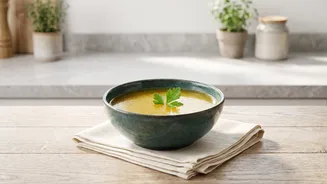
you’ll accumulate a free, flavour-packed base for a future stock. This method not only drastically cuts down on kitchen waste but also ensures you have the building blocks for a deeply flavourful broth whenever you need it. The frozen scraps don't need to be thawed before you use them, making the process incredibly efficient. When the bag is full, you simply empty its frozen contents into a pot, cover with water, and simmer your way to a delicious, homemade stock that costs virtually nothing to make.
The A-List: Scraps to Save
Not all scraps are created equal. For a balanced, savoury, and aromatic stock, you'll want to prioritise certain ingredients. The classic foundation of any good stock is mirepoix: onions, carrots, and celery. Their peels, ends, and tops are perfect for your freezer bag. Onion skins are particularly valuable as they impart a beautiful golden-brown colour to the finished broth. Garlic skins and ends, leek tops, fennel fronds, and mushroom stems are also excellent additions that contribute layers of complexity. Don't forget herb stems; parsley, thyme, and cilantro stems, which are often discarded, release wonderful aromatics when simmered. Even corn cobs can add a subtle sweetness.
The B-List: What to Leave Out
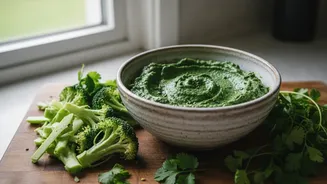
Just as important as knowing what to save is knowing what to avoid. Certain vegetables can make your stock bitter, cloudy, or overpowering. The main culprits are cruciferous vegetables from the brassica family, such as broccoli, cauliflower, Brussels sprouts, kale, and cabbage. These can release sulphuric compounds during a long simmer, resulting in an unpleasant flavour and aroma. While some people don't mind them in small amounts, it's generally safer to add them to your compost instead. Potato peels can sometimes make a stock starchy or cloudy, so use them with caution. Beets will, unsurprisingly, turn your stock bright red, which may not be what you're looking for. Finally, and most importantly, never use scraps that are mouldy, rotten, or dirty. This method is for clean scraps from healthy vegetables.
From Freezer to Pot: The Simple Method
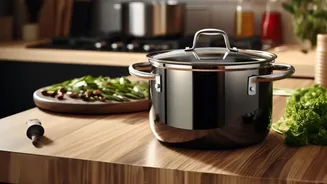
Once your freezer bag is full—aim for at least 4 to 8 cups of scraps—it's time to make stock. The process couldn't be easier. First, empty the frozen scraps directly into a large stockpot or Dutch oven. Second, add enough cold water to cover the vegetables by an inch or two. At this stage, you can also add optional aromatics for extra depth, such as a bay leaf, a few whole peppercorns, or even some dried mushrooms. Third, bring the pot to a boil, then immediately reduce the heat to a gentle simmer. Let it bubble away gently for at least one hour, although simmering for up to three hours can produce a richer, more concentrated flavour. Avoid boiling it vigorously, which can make the stock cloudy. Once it’s done, simply strain the liquid through a fine-mesh sieve, pressing on the solids to extract every last drop of flavour.
Better Flavour, Less Waste, No Cost
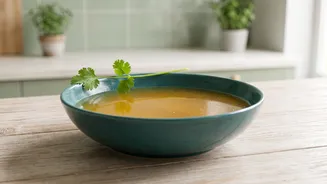
The benefits of this practice extend far beyond a simple pot of soup. Commercially prepared stocks and bouillon cubes are often high in sodium and preservatives. By making your own, you have complete control over the ingredients and seasoning, resulting in a healthier final product. It's also a significant money-saver; you are literally creating a valuable pantry staple out of ingredients you would have otherwise thrown away. Perhaps most importantly, it represents a meaningful step toward a zero-waste kitchen, reducing your contribution to landfills where organic waste produces methane. The flavour of homemade stock is also undeniably superior—richer and more nuanced than anything from a carton. This liquid gold can be used as a base for soups, stews, sauces, and risotto, or for cooking grains like quinoa and rice, infusing every dish with incredible flavour.