



The Problem with 'Maida'
For decades, refined wheat flour, or 'maida', has been the undisputed king of Indian snacks, breads, and baked goods. Its fine texture and versatility made it a convenient choice. However, this convenience comes at a nutritional cost. The refining process
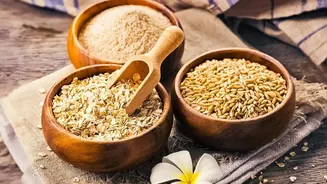
strips the wheat grain of its bran and germ, removing essential dietary fibre, vitamins, and minerals. What's left is a starchy endosperm that can lead to rapid spikes in blood sugar levels. Regular consumption of refined grains has been linked to a rise in lifestyle-related health concerns, prompting many to look for healthier, more wholesome alternatives.
Millets: A Nutritional Powerhouse
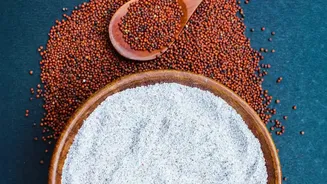
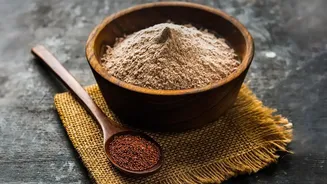
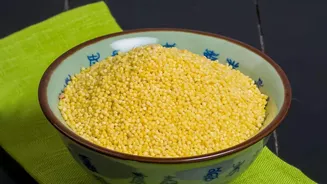
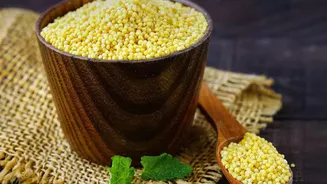
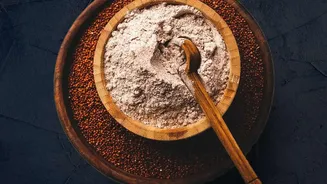
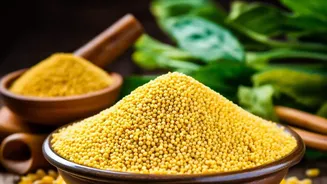
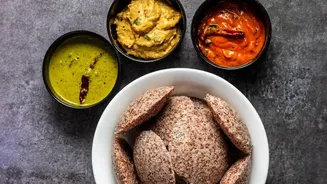
Enter millets, a group of small-seeded grains like ragi (finger millet), jowar (sorghum), and bajra (pearl millet) that were once staples in the Indian diet. Unlike refined flour, millets are whole grains, meaning they retain their natural nutrient content. They are packed with dietary fibre, which aids digestion and promotes a feeling of fullness. They also offer a superior profile of protein and essential minerals like iron, calcium, and magnesium. For instance, ragi is renowned for its high calcium content. Crucially, the high fibre content in millets leads to a slower release of energy, helping to maintain stable blood sugar levels, making them a smarter choice for daily consumption.
A Return to Agricultural Roots
The resurgence of millets is more than just a health trend; it's a return to agricultural wisdom. For centuries, these grains were integral to Indian farming, long before the Green Revolution shifted focus to high-yield varieties of wheat and rice in the 1960s. This shift saw millet cultivation decline, with the grains becoming stereotyped as 'poor man's food'. However, in an era of climate change, the inherent resilience of millets is being recognised once again. Many varieties are drought-resistant and can grow in poor soil with fewer inputs, making them a sustainable and climate-smart crop for farmers.
Innovating in the Kitchen
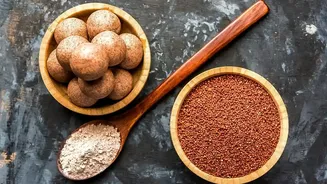
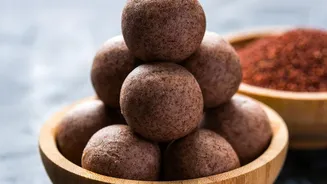
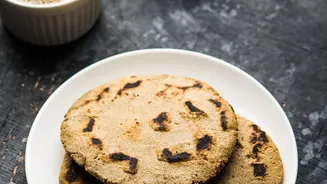
The real transformation is happening in the kitchen, where home cooks and brands are reimagining traditional snacks. Millet flours are now being used to create everything from baked ragi chaklis and bajra methi khakhras to millet cutlets and even cookies. Brands like Slurrp Farm, Soulfull, and ME & MILLETS are leading the charge, offering a wide array of ready-to-eat snacks like millet puffs, cookies, and dosa mixes that don't compromise on taste. These products are making it easier than ever for consumers to incorporate these nutritious grains into their diets. The slightly nutty flavour of millets is also proving versatile, pairing well with traditional Indian spices in savoury snacks like mathri and chivda.
A Nationwide Movement
This grassroots movement has received a significant boost from national and international initiatives. The United Nations' declaration of 2023 as the 'International Year of Millets' helped catapult these grains into the global spotlight, highlighting their benefits for nutrition and food security. In India, government support and awareness campaigns have encouraged farmers to cultivate millets and spurred innovation in the food industry. This has led to wider availability in supermarkets and online, making millets more accessible for urban households. The conversation has shifted, and what was once a forgotten food is now celebrated as a future-forward superfood.