




The Cosmic Connection to Halley's Comet
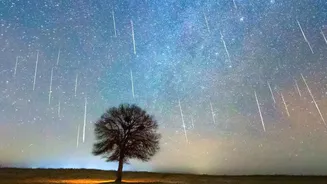
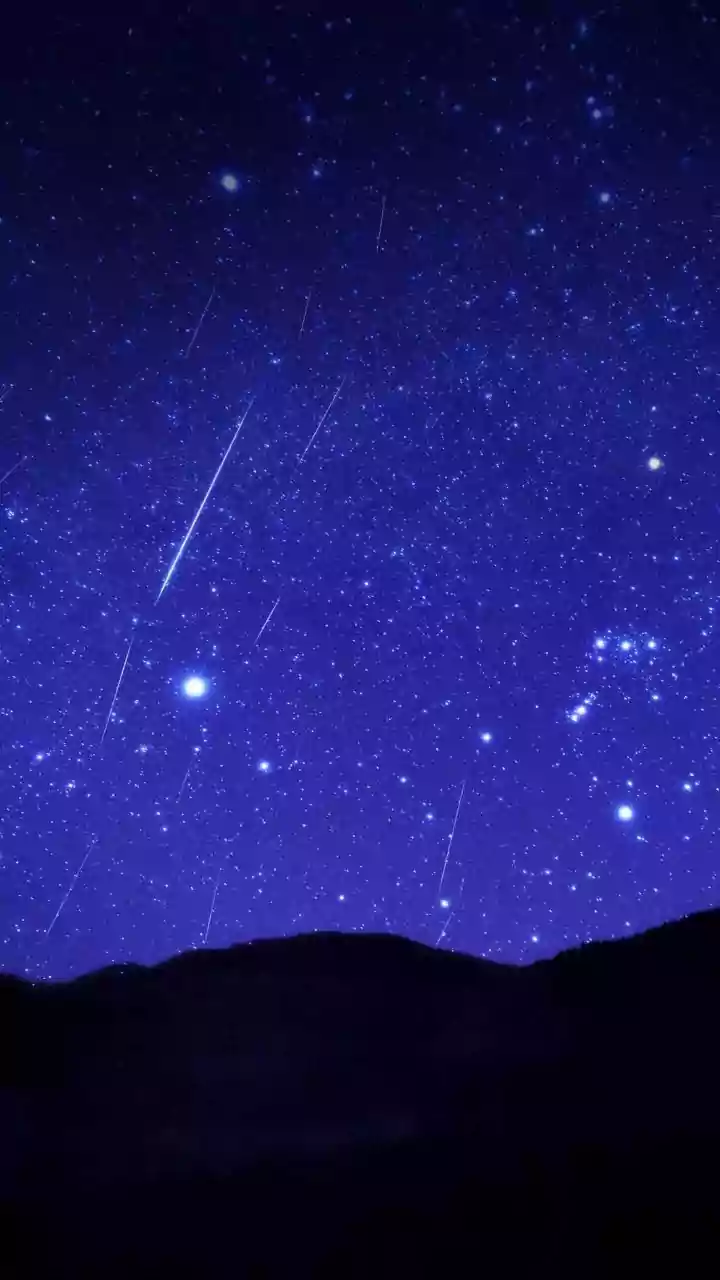
The Orionid meteor shower isn't just a random display of shooting stars; it's a direct link to one of the most famous celestial objects in history: Halley's Comet. Every October, Earth passes through the dusty debris trail left behind by this iconic comet
on its 76-year journey around the sun. As tiny fragments of rock and ice, often no bigger than a grain of sand, enter our atmosphere at incredible speeds—around 66 kilometres per second—they burn up, creating the brilliant streaks of light we call meteors. So, when you watch the Orionids, you are seeing pieces of a comet that has been observed for millennia, a biannual gift that also produces the Eta Aquarid shower in May.
Peak Viewing Dates and Times for India
Mark your calendars for the night of October 21-22, 2026. This is when the Orionid meteor shower is predicted to reach its peak activity. While the shower is active from early October to early November, your best chance to see the highest frequency of meteors will be during this peak window. For stargazers in India, the prime viewing time will be in the dark, pre-dawn hours of October 22. The radiant of the shower—the point in the sky from which the meteors appear to originate, located in the constellation Orion—rises late in the evening and is at its highest point in the sky after midnight, making the hours between 2 a.m. and sunrise ideal.
Managing Expectations: The Moon's Role in 2026
This year, the Orionids face a celestial competitor: a bright, waxing gibbous Moon. On the peak night of October 21-22, the Moon will be nearly full, and its bright glare will unfortunately wash out many of the fainter meteors for a large part of the night. However, all is not lost for dedicated observers. The Moon will set a few hours before dawn, creating a window of darker skies perfect for meteor spotting. You'll need to be patient, but this is your best opportunity. Under ideal, dark-sky conditions, the Orionids can produce about 10 to 20 meteors per hour, but the moonlight means you should expect to see fewer.
How to Watch: The Dos and Don'ts
The best tool for watching a meteor shower is simply your own eyes. Telescopes and binoculars have a narrow field of view, making them unsuitable for catching the fleeting streaks of meteors which can appear anywhere in the sky. While the meteors radiate from the constellation Orion, you shouldn't stare directly at it. Instead, lie back on a blanket or reclining chair and look at a large, dark patch of sky, about 45 degrees away from the radiant, to see the longest and most spectacular streaks. Give your eyes at least 20-30 minutes to fully adapt to the darkness for the best experience. And most importantly, put away your bright phone screen, as its light will ruin your night vision.
Finding the Perfect Spot in India
The key to a successful meteor shower viewing is getting away from light pollution. For those in major metropolitan areas like Delhi, Mumbai, or Bengaluru, this means planning a short trip away from the city's glow. High-altitude, remote locations such as those in Ladakh or Spiti Valley offer pristine, clear skies, but are not accessible to everyone. More practical options include finding a location in the outskirts of your city, a rural village, or a dark spot in a national park or sanctuary. Coastal areas away from city centres can also provide a good vantage point with an open horizon. The goal is to find a safe location with an unobstructed, wide-open view of the night sky.