


From Gyms to Grocery Aisles
Not long ago, high-protein foods were the exclusive domain of bodybuilders and elite athletes, found mostly in specialty stores. Protein powder was for post-workout shakes, not for whipping up a batch of brownies. Today, that picture has completely changed.
Walk through any major supermarket, and you'll find protein making a guest appearance in everything from ice cream and cookies to puddings and even traditional Indian sweets. This shift marks a significant evolution in our food culture. What was once seen purely as muscle fuel is now being marketed as a mainstream wellness ingredient, transforming indulgent desserts into snacks you can feel better about eating. This trend is driven by a growing class of health-conscious consumers who want to balance their wellness goals with the simple joy of a good dessert.
The Allure of 'Guilt-Free' Indulgence
The booming popularity of these treats is rooted in a powerful psychological phenomenon known as the "health halo" effect. When a product is labeled with a positive attribute like "high in protein," consumers tend to perceive the entire product as healthier than it might actually be. This halo gives us a kind of permission to indulge. A protein brownie feels less like a cheat and more like a sensible snack. This perception is a marketer's dream. Brands know that consumers are looking for ways to satisfy cravings without derailing their health goals. By fortifying a dessert with protein, they reframe it from a simple treat to a functional food that helps keep you full and supports muscle repair.
What's on the Fortified Menu?
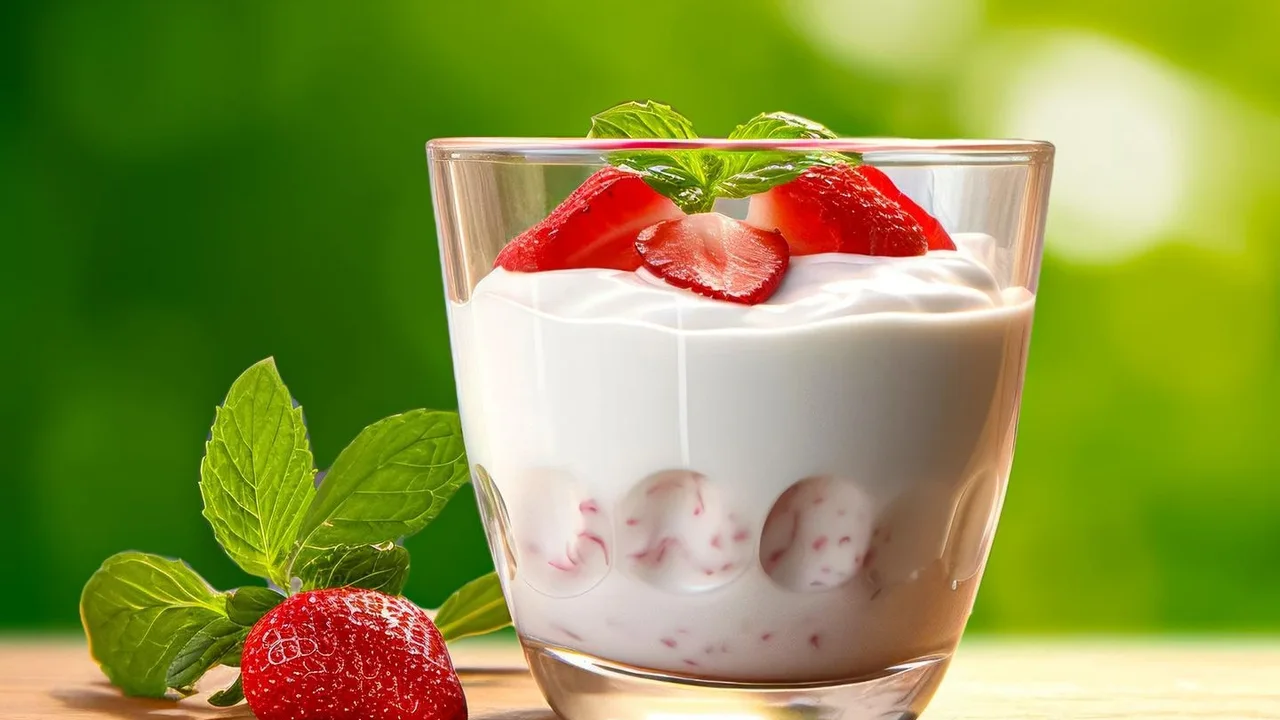
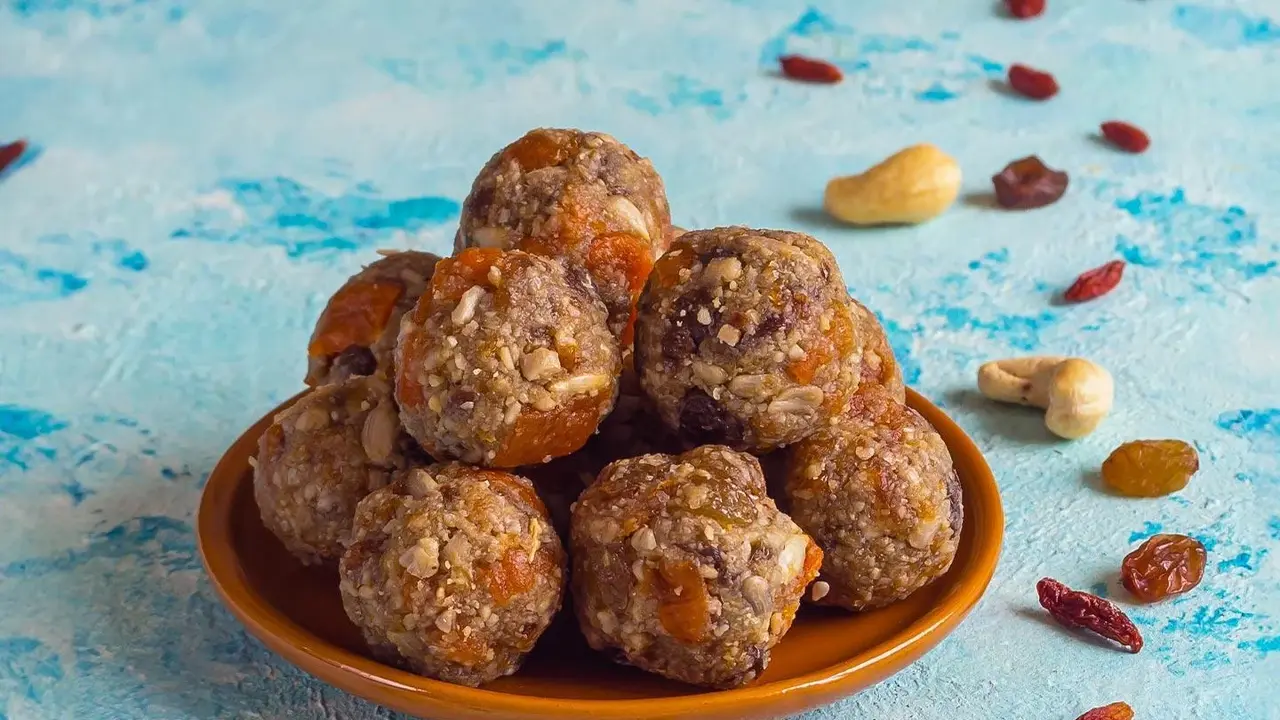
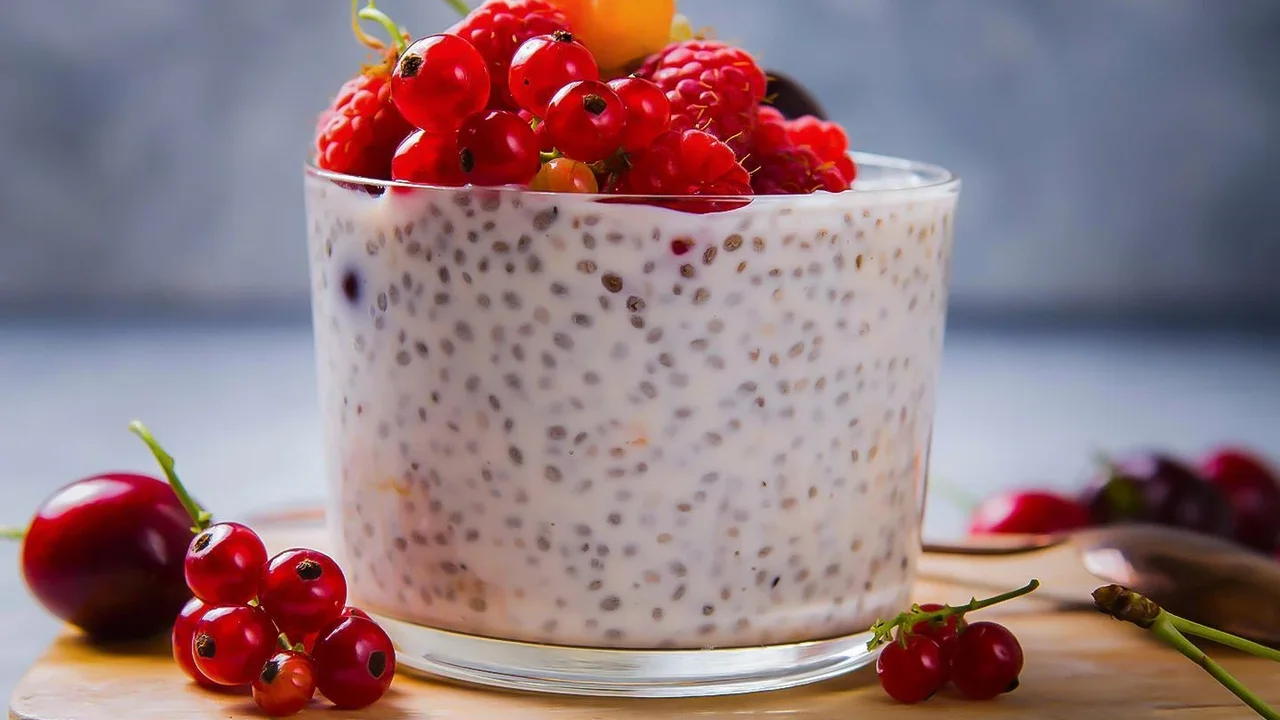
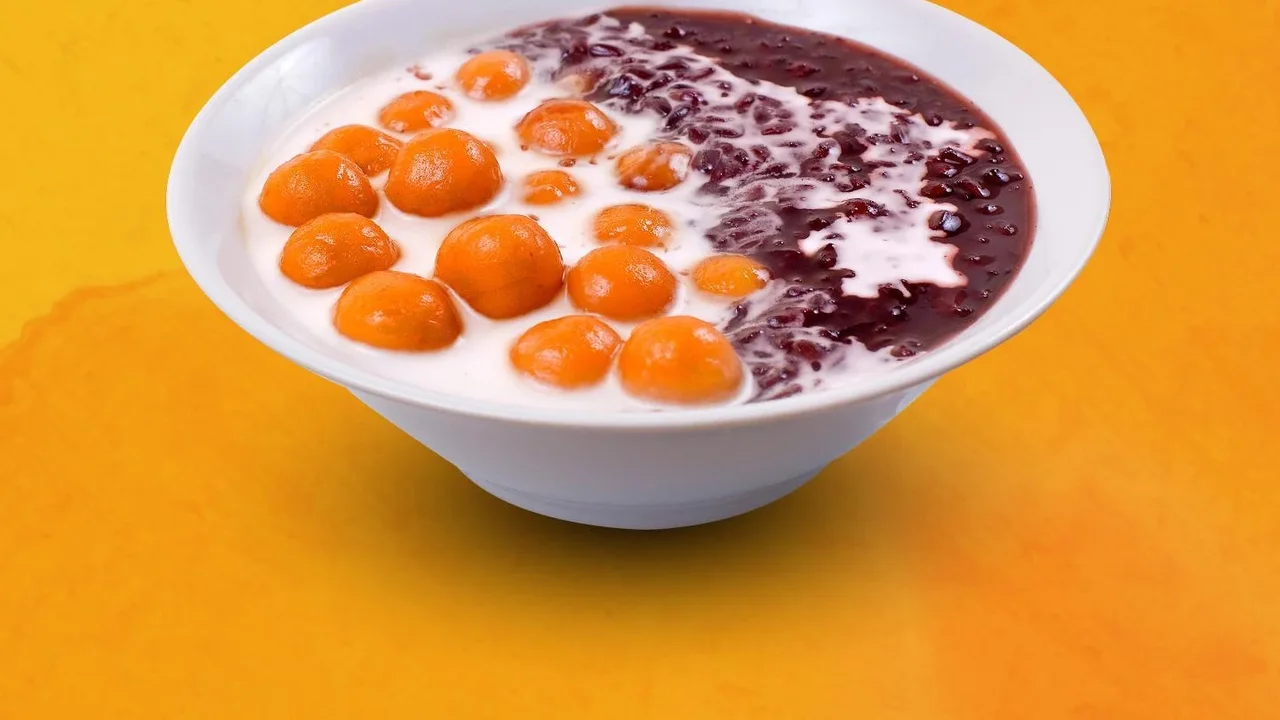
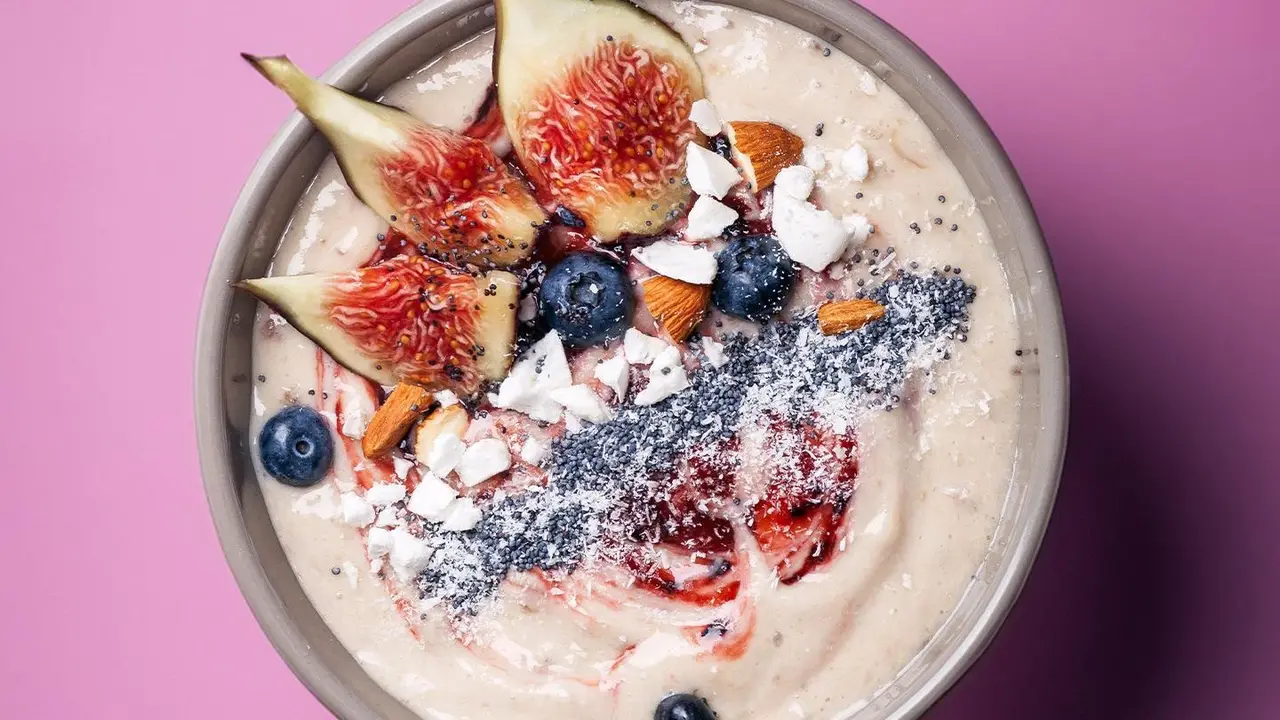
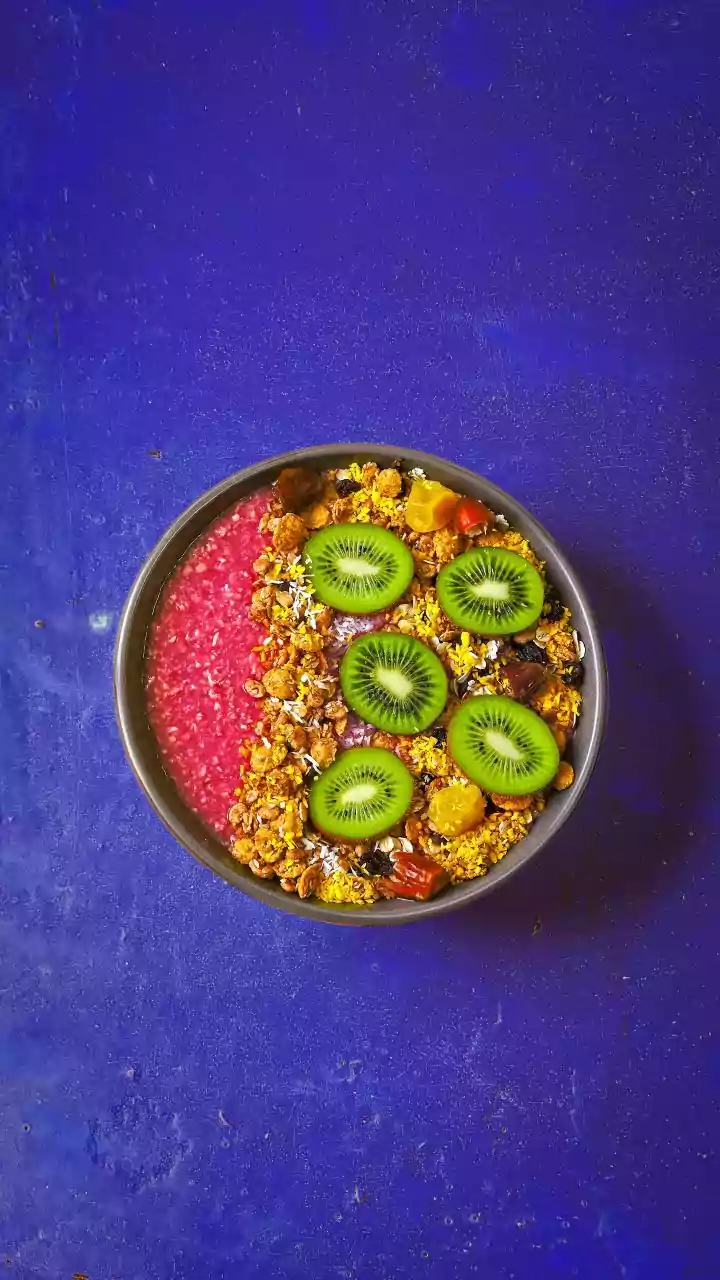
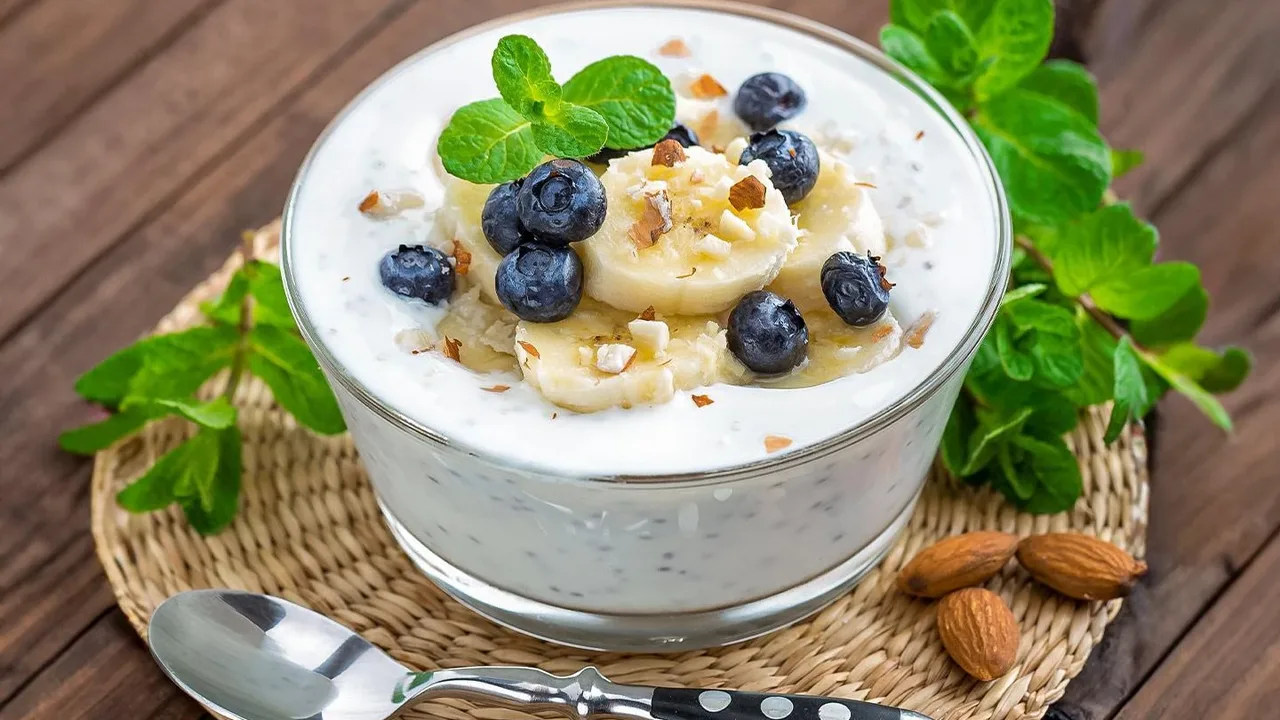
The range of protein-packed desserts is expanding rapidly. Protein ice cream, which often uses whey or plant-based proteins to boost its nutritional profile while reducing sugar, is a major player. You'll also find protein cookies, brownies, and puddings that promise a satisfyingly sweet experience with the added benefit of satiety. In India, this trend is also intersecting with traditional tastes. Brands are launching protein-enriched kulfi alternatives and even reimagining sweets like besan ladoo with added protein powder. Even classic homemade desserts like kheer and phirni are being adapted with protein-rich ingredients like milk, paneer, nuts, and seeds, proving that you don’t have to choose between heritage and health.
A Dietitian's Dose of Reality
So, does adding protein automatically make a dessert healthy? Dietitians urge a closer look. While protein does offer benefits like increased satiety and blood sugar stability, its presence alone doesn't cancel out other, less desirable ingredients. Many protein-fortified desserts can still be high in calories, saturated fat, and, most notably, added sugars or artificial sweeteners. A protein cookie with 15 grams of sugar might be a better choice than a standard one, but it’s still a cookie, not a health food. Experts advise thinking of these products as a “better-for-you” alternative rather than a truly healthy one. They can be a strategic choice for a post-workout snack or a more satisfying treat, but they shouldn't replace whole foods in your diet.
How to Read Between the Labels
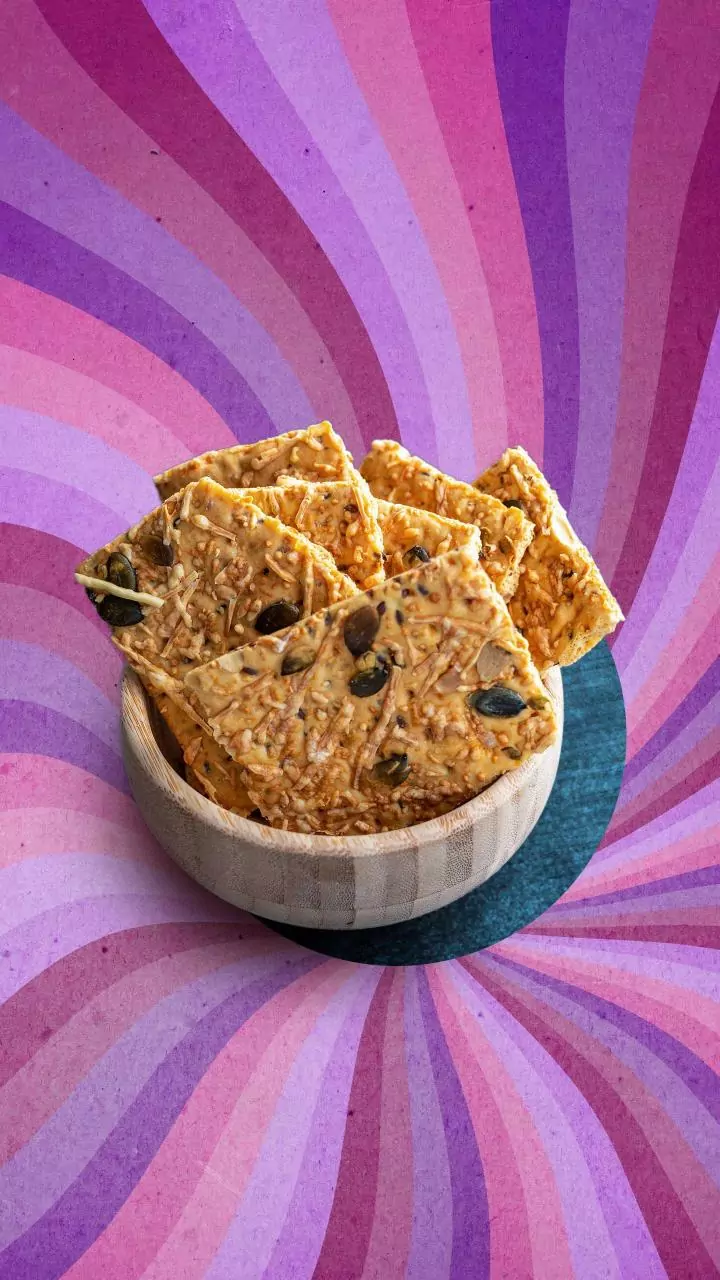
To make a smart choice, you have to become a savvy label reader. Don't stop at the bold "high protein" claim on the front of the package. Turn it over and examine the full nutrition facts panel. First, check the protein content; a good rule of thumb is to look for at least 10 grams per serving to make it a meaningful amount. Next, and perhaps most importantly, look at the added sugar. Some bars and cookies contain as much sugar as a candy bar. Also, consider the fiber content, as fiber helps you feel full and supports digestive health. Finally, scan the ingredient list. Shorter lists with recognizable, whole-food ingredients like nuts, seeds, and oats are generally a better sign than long lists of processed powders and additives.