
The Mystery of the Red Dots
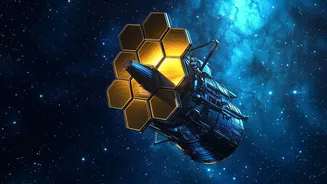
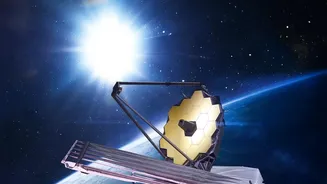
Since it began sending back data in 2022, the JWST has been identifying a new class of astronomical objects known as Little Red Dots, or LRDs. These compact, crimson sources are extremely far away, meaning we are seeing them as they existed in the very
early universe, typically between 600 million and 1.6 billion years after the Big Bang. Initially, astronomers were baffled. Their sheer number was unexpected, and they seemed to appear in abundance during the universe's infancy only to vanish as it matured, creating a cosmic puzzle. Were they an unusual type of star-forming galaxy, or something else entirely?
Hiding in Plain Sight
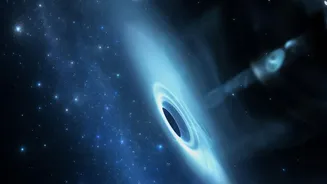
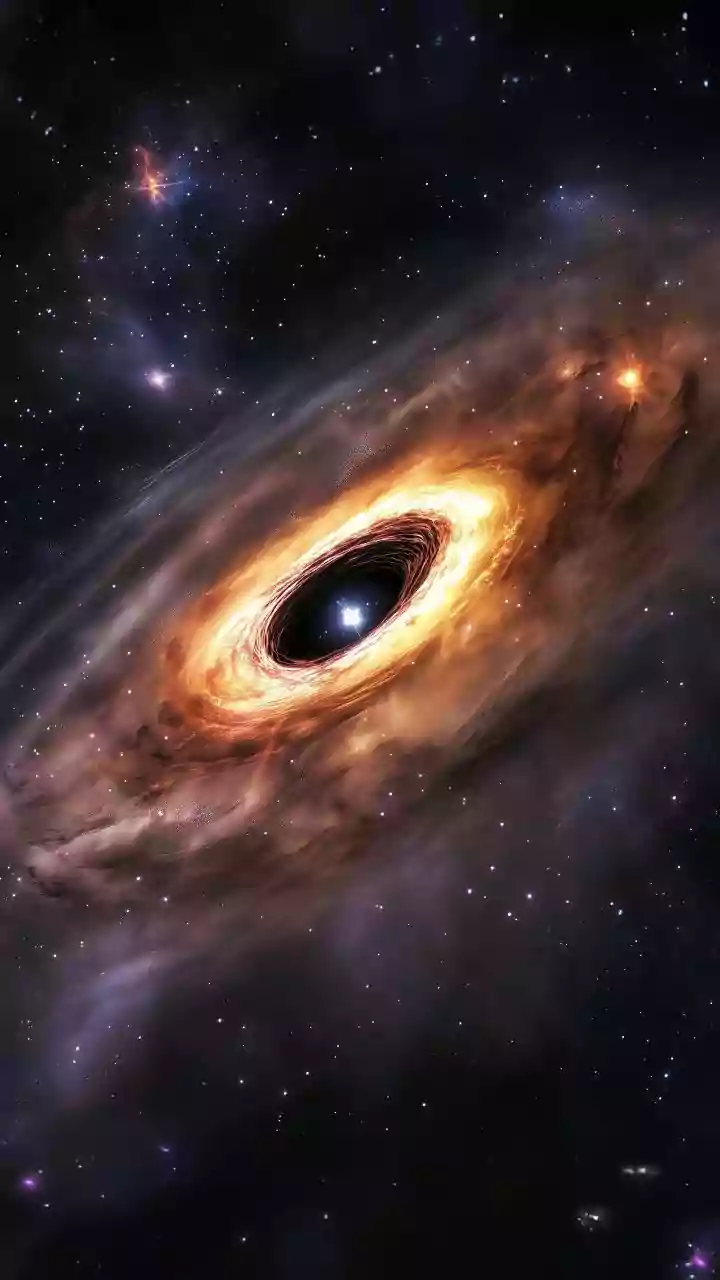
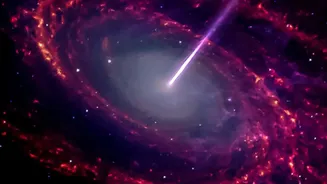
Thanks to Webb's unparalleled infrared vision, which can cut through the thick dust that shrouds the early cosmos, we are getting a clearer picture. A growing body of research suggests that many LRDs are not what they seem. They are cosmic masqueraders, hiding tremendously energetic and rapidly growing supermassive black holes. Think of them as nascent quasars wrapped in a dense cocoon of gas and dust. This veil of dust absorbs most of the brilliant light from the feeding black hole, leaving only a faint red glow for Webb to detect. One study of an LRD known as GLIMPSE-17775 provided some of the strongest evidence yet, identifying it as a ravenously feeding black hole enveloped in a thick gaseous shroud.
An Impossible Cosmic Timeline
This discovery throws a wrench into our long-held theories about cosmic evolution. The standard model suggested that galaxies formed first, and over billions of years, the stars within them would collapse into black holes that gradually merged and grew at the galactic center. But the LRDs tell a different story. The existence of a massive black hole like the one in galaxy CEERS 1019, which was active just 570 million years after the Big Bang, is incredibly difficult to explain with the old timeline. There simply wasn’t enough time for a black hole to grow so large through conventional means. This raises a profound chicken-and-egg question: which came first, the galaxy or its supermassive black hole?
Giants That Outweigh Their Homes
Perhaps the most startling revelation is the sheer size of these ancient black holes relative to their host galaxies. In the modern universe, a supermassive black hole's mass is typically a tiny fraction—about 0.1%—of its host galaxy's total stellar mass. However, many of the black holes powering these LRDs are 'overmassive,' with masses that rival or even exceed the combined mass of all the stars in their galaxies. It's as if the tail is wagging the dog. This suggests a completely different growth path, where some black holes either formed from the direct collapse of immense primordial gas clouds or grew at a pace far exceeding what scientists thought possible.