






Rediscovering a Humble Giant
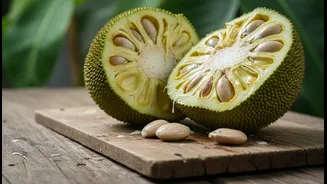
For generations, kathal, or raw jackfruit, has been a familiar sight in Indian kitchens and backyards. It’s the largest tree-borne fruit in the world, yet it has often been overlooked. But now, this spiky green giant is experiencing a remarkable comeback.
Chefs and home cooks are rediscovering its potential, moving it from the realm of simple home cooking to the spotlight of modern cuisine. This isn't about a new, exotic ingredient; it's about looking at a traditional food with fresh eyes and realising the incredible possibilities it holds. The renewed interest is partly due to its amazing versatility and its growing reputation as a 'superfood'.
More Than Just a Meat Substitute
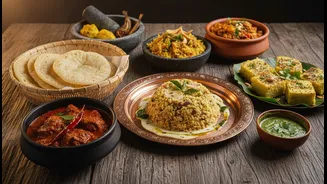
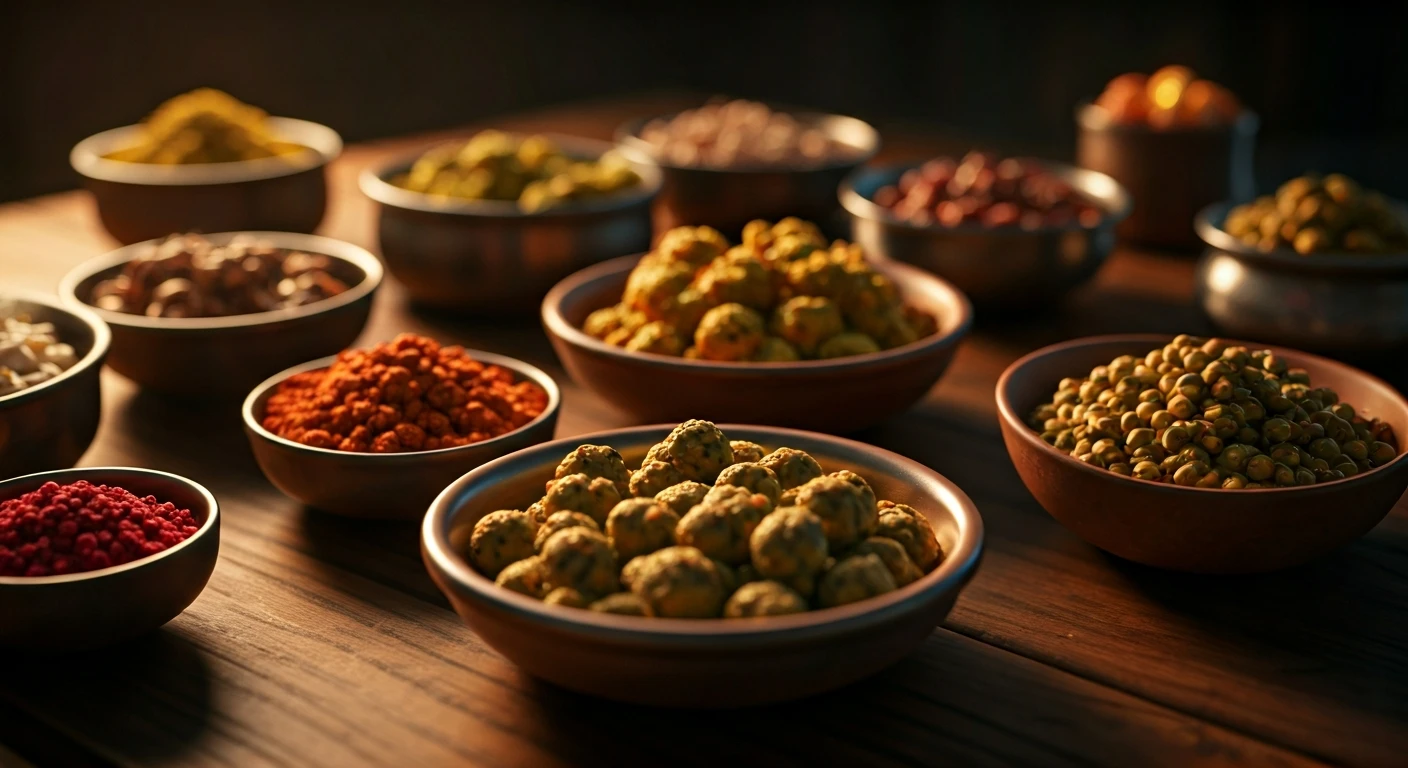
Much of kathal's recent global fame comes from its use as a meat substitute, thanks to a fibrous texture that can mimic pulled pork or chicken. While this has introduced it to a new audience, in India, kathal has always been celebrated for its own unique qualities. Its magic lies in its neutral taste, which allows it to absorb spices and flavours beautifully, making it perfect for rich, complex dishes. From the robust Kathal ki Sabzi of North India to the fragrant Kathal Biryani, the ingredient has never been about replacing meat, but about providing a hearty, satisfying element in vegetarian cooking. Its texture is a key part of its appeal, offering a satisfying bite that few other vegetables can.
A Nutritional Powerhouse
Beyond its culinary uses, fresh kathal is packed with health benefits. It's a fantastic source of dietary fibre, which aids digestion and can help with weight management by making you feel fuller for longer. The fruit is also rich in essential vitamins and minerals, including a significant amount of Vitamin C, potassium, and several B vitamins. Potassium is known to help manage blood pressure, while the antioxidants present, such as carotenoids, can help fight inflammation. This combination of low calories and high nutritional content makes it a smart addition to any balanced diet.
From Classic Curries to Modern Tacos
The beauty of kathal lies in its adaptability. Traditional recipes highlight its ability to stand up to bold spices. Kathal ki Sabzi, a staple in many North Indian homes, features chunks of the fruit simmered in a thick, aromatic onion-tomato gravy. In Kerala, it is used in dishes like Chakka Aviyal, a mixed vegetable curry with coconut. But the innovation doesn't stop there. Modern Indian kitchens are experimenting with it in exciting new ways. You'll now find kathal filling sliders, forming the base for delicious cutlets, stuffed into tacos, and even being pickled. These new-age recipes showcase its ability to fit into any culinary context, proving it’s an ingredient that is as interesting as it is traditional.
Your Guide to Cooking with Kathal
Cooking with fresh kathal can seem intimidating due to its sticky sap, but a few simple tricks make it easy. The most important tip is to apply mustard or coconut oil to your hands and knife before you start cutting. This prevents the sap from sticking. When buying, choose a young, green jackfruit for savoury dishes, as the ripe ones are sweet and used for desserts. Before adding it to a curry, it's a good idea to boil or pressure cook the pieces with a bit of salt and turmeric until they are just tender. This not only seasons the kathal but also ensures it cooks evenly in the final dish. From there, you can fry it for a crispy texture or add it directly to your simmering masala.