
A Cuisine Born from Scarcity
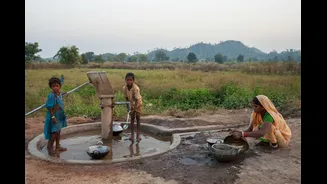
Rajasthani food is a masterclass in ingenuity, shaped by the arid desert landscape where water is scarce and fresh green vegetables are a luxury. For centuries, the cuisine has relied on ingredients that can withstand the harsh climate: grains like millet
(bajra) and wheat, and a variety of lentils and gram flour (besan). The warrior culture of the Rajputs also played a crucial role. They needed food that was highly nutritious, could last for several days without reheating, and could be cooked with minimal water, a necessity during long campaigns. This led to the widespread use of ghee and milk, which not only added richness and flavour but also acted as preservatives.
The Tale of Dal Baati Churma
No dish embodies the spirit of Rajasthan quite like Dal Baati Churma. This iconic trio is more than a meal; it’s a cultural emblem. The baati, a hard, unleavened bread roll, is believed to have originated as a convenient meal for soldiers. They would bury balls of dough in the hot desert sand to bake slowly while they were on the battlefield. These baked rolls are then broken and drenched in ghee, served alongside a spicy panchmel dal (a mix of five lentils) and churma. The churma itself was a happy accident, supposedly created when a cook for the Mewar clan mistakenly poured sugarcane juice over baatis, creating a sweet, crumbly delight that perfectly balances the savoury elements of the meal.
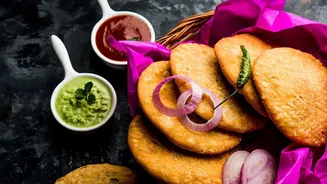
Kachori: The Heartbeat of the Streets
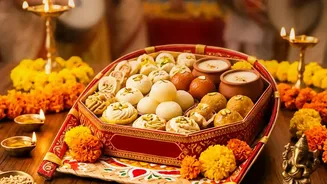
Walk through the bustling lanes of Jodhpur or Jaipur, and you'll be greeted by the irresistible aroma of freshly fried kachoris. This popular snack is a cornerstone of Rajasthani street food. The Pyaaz ki Kachori, which originated in Jodhpur, is a flaky pastry stuffed with a spicy, flavourful filling of onions and spices, often served with tangy tamarind and mint chutneys. Another beloved variant is the Mawa Kachori, also from Jodhpur, which caters to those with a sweet tooth. These are filled with sweetened khoya and dried fruits before being deep-fried and sometimes dipped in sugar syrup. Both versions highlight the Marwari community's influence on the state's predominantly vegetarian snacks.
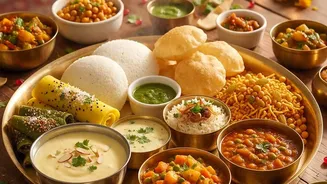
The Royal Thali: A Regal Feast
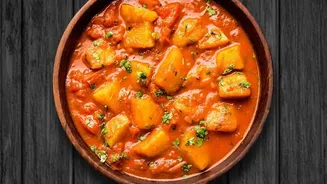
The royal thali offers a glimpse into the opulent kitchens of Rajasthan's palaces. It's a grand platter that showcases the culinary sophistication of the Rajputs. A key feature of this feast is often Laal Maas, a fiery mutton curry that gets its vibrant red colour and heat from Mathania chillies. This dish is a legacy of the royal hunting tradition, designed to be robust and flavourful. Alongside the meat dishes, the thali presents a dazzling array of vegetarian preparations. Gatte ki Sabzi, featuring steamed gram flour dumplings in a tangy yogurt-based curry, and Ker Sangri, a unique dish made from native desert beans and berries, demonstrate the cuisine's ability to turn humble, local ingredients into extraordinary delicacies.