








The New Map of Indian Beauty
The postcodes of beauty innovation in India are changing. While Mumbai and Delhi were once the undisputed epicentres, inspiration and industry are now flourishing in cities like Chandigarh, Pune, Jaipur, and even smaller towns. Brands born in these locations
are not just catering to a local audience; they are capturing national attention. This shift marks a significant democratisation of the beauty landscape, where a great idea, authentic ingredients, and a smart digital strategy can create a powerhouse brand, regardless of its headquarters. The 'Made in India' movement is no longer just a slogan but a reflection of a consumer base that is increasingly confident in and proud of domestic innovation.
Powered by Pixels and Passion
This boom is being fuelled by the power of the internet. Social media platforms like Instagram and YouTube have become the new beauty counters, where founders can share their stories and products directly with consumers. Eight out of ten Indian beauty shoppers discover new brands through social media. This direct-to-consumer (D2C) model allows brands to bypass traditional retail gatekeepers and build a loyal community. Reports from 2026 show that Tier 2 and Tier 3 cities are driving D2C growth, accounting for nearly two-thirds of new orders. Influencers and user-generated reviews play a crucial role, creating a sense of trust and authenticity that resonates deeply with a digitally-savvy generation.
Heritage Meets High Science
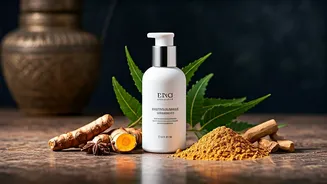
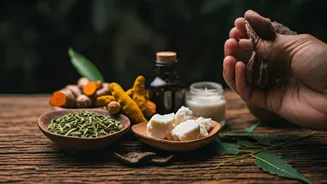
What makes many of these emerging brands so compelling is their unique product philosophy. They are masterfully blending India's rich heritage of Ayurveda and traditional remedies with modern scientific formulations. Ingredients like turmeric, neem, ashwagandha, and amla are being reframed for a new generation that is ingredient-literate and demands proven efficacy. Brands are focusing on transparency and 'clean beauty', offering products free from harmful chemicals and tailored specifically for Indian skin types and climatic conditions. This 'Modern Ayurveda' approach provides a powerful alternative to one-size-fits-all international products, offering solutions that feel both familiar and innovative.
The Quest for Authenticity
Beyond the ingredients, this trend is about a deeper cultural shift. Consumers are increasingly drawn to brands that feel authentic and have a compelling story. There's a growing preference for local brands, with one study showing 36% of Indian consumers now prefer them over imported ones. Supporting a homegrown business from a city like Pune or Chandigarh offers a sense of connection that large multinational corporations often struggle to replicate. These brands are often built to solve specific, local problems, whether it's tackling the effects of pollution or creating lightweight formulas for humid weather, which makes them highly relatable and effective for the Indian consumer.
Winning Over the Metros
Ironically, the biggest audience for these non-metro brands is often in the major cities. Urban consumers, who have access to every international label, are actively seeking out these new Indian brands. Major e-commerce platforms have noted that a significant portion of their premium beauty sales now comes from non-metro cities, while those same non-metro brands are gaining a cult following in urban centres. This demonstrates that the appeal is not just about local pride but about genuine quality, innovation, and the desire for products that are thoughtfully created. The rise of these brands is not a niche trend; it's a fundamental reshaping of the entire Indian beauty market, forcing legacy players to take notice.