





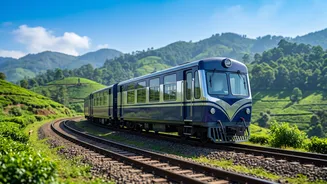
The Dawn of a New Era in Rail Travel
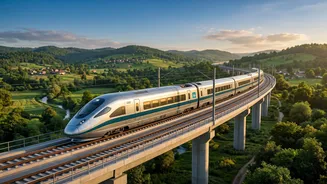
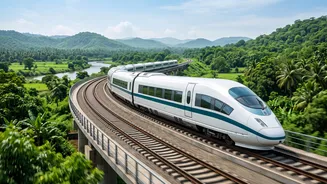
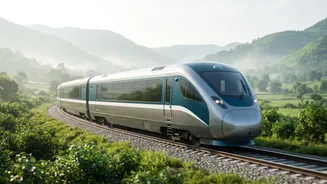
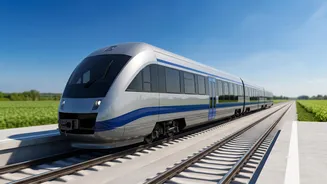
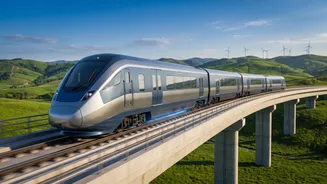
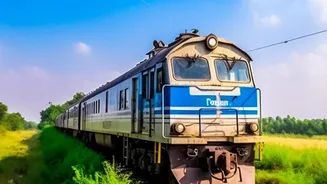
In a significant leap for India's public transport, Indian Railways has been actively testing its first hydrogen-powered train. High-speed trials reaching up to 120 kmph have been successfully completed on the Jind-Sonipat section in Haryana. This pilot
project is a critical part of the 'Hydrogen for Heritage' initiative, which aims to retrofit existing diesel-powered trains and deploy them on heritage and hilly routes where electrification is challenging. The successful tests, which have been ongoing through 2026, mark a major milestone, moving India closer to joining a select group of nations with operational hydrogen rail technology. The project is spearheaded by Indian firms like Medha Servo Drives, which integrated the system, with fuel cell technology from partners like Ballard Power Systems.
How Exactly Do Hydrogen Trains Work?
Unlike conventional trains that burn diesel or draw power from overhead electric lines, hydrogen trains create their own electricity onboard. The technology revolves around a fuel cell, which acts like a mini power plant. Inside the cell, hydrogen stored in tanks chemically reacts with oxygen taken from the air. This process generates electricity to power the train's motors. The remarkable part is the exhaust: the only direct emission is water vapour, making it a zero-carbon mode of transport at the point of use. This eliminates the smoke, noise, and air pollution associated with diesel locomotives, offering a much cleaner and quieter passenger experience. To support this, dedicated infrastructure for producing, storing, and refuelling with hydrogen has been built at Jind.
Why Hydrogen is a Game-Changer for Railways
This push for hydrogen is a key component of Indian Railways' ambitious goal to become a net-zero carbon emitter by 2030. While massive electrification of the broad-gauge network is the primary strategy, hydrogen trains offer a green solution for specific routes. These include heritage lines like the Kalka-Shimla and Darjeeling Himalayan Railway, where preserving the aesthetic charm is as important as reducing pollution. Beyond environmental benefits, this move strengthens India's energy security by reducing reliance on imported diesel, potentially saving thousands of crores annually. Furthermore, by developing this technology indigenously, the project provides a major boost to the 'Make in India' initiative and positions the country as a leader in advanced, sustainable transport solutions.
The Challenges and the Road Ahead
Despite the successful trials, the path to widespread adoption has its challenges. The primary hurdle is the cost and availability of 'green' hydrogen—hydrogen produced using renewable energy. Currently, running hydrogen trains is more expensive than conventional options, though costs are expected to decrease as the technology scales and more suppliers enter the market. The government's National Green Hydrogen Mission is working to bring down production costs, with recent tenders showing promising price reductions. Following the successful trials on the Jind-Sonipat route, where the train is cleared for an operational speed of 75 kmph, the next steps involve finalising regulatory approvals before commencing passenger services. Consultations are also underway to identify other suitable routes for the initial fleet of 35 planned hydrogen trains.