

The ‘Camera Eats First’ Culture
The phrase “camera eats first” has become a global phenomenon, and Indian restaurants have enthusiastically embraced it. Before a dish is evaluated for taste or aroma, it’s judged by its on-screen appeal. This has fundamentally shifted the focus for many
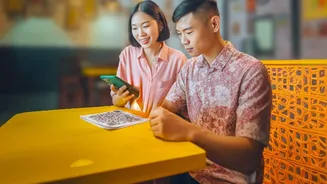
establishments, from high-end cafes in Mumbai to street food vendors in Delhi. The strategy is simple: create food that is so visually striking diners feel compelled to photograph and share it. This turns every customer into a potential marketer, providing free, user-generated advertising that can reach thousands of potential new patrons. As a result, restaurant interiors are also getting a makeover with better lighting, statement walls, and aesthetic corners designed specifically for content creation.
Engineering the Perfect Photograph
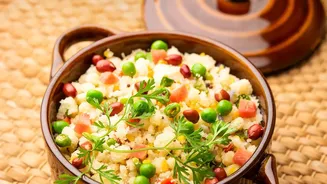
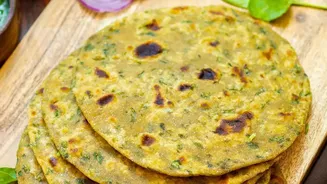
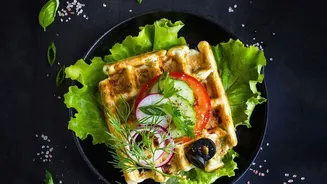
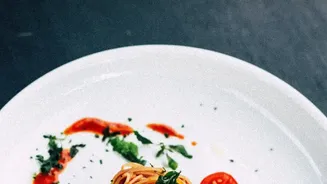
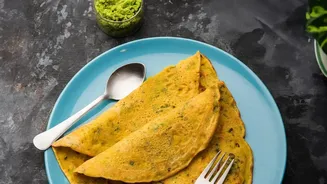
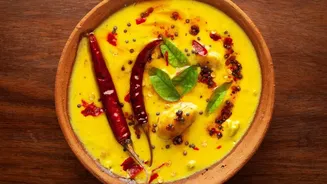
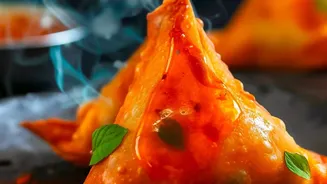
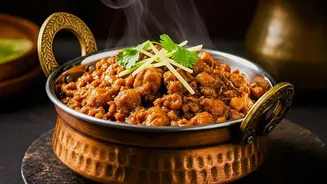
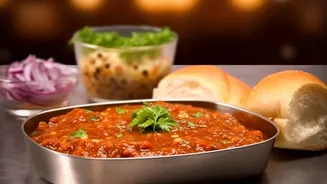
Crafting an 'Instagrammable' dish is both an art and a science. Chefs and restaurateurs are now thinking like food stylists and photographers. Key elements include high-contrast colours, unique plating, and interactive components. Think of dishes with dramatic 'cheese pulls', smoking cocktails, or desserts that are unveiled with a flourish at the table. Traditional Indian foods are being re-imagined for the digital age; chaat is adorned with vibrant pomegranate seeds, dosas are folded into towering shapes, and classic curries are presented with meticulously placed microgreens. Even the crockery is chosen to complement the dish, with earthenware and copper being used for traditional presentations and clean, minimalist plates for modern fusion food. These elements are not just for show; they are designed to stop a user from scrolling through their feed.
From Viral Reels to Restaurant Revenue
The link between a viral Reel and a restaurant's bottom line is direct and measurable. For many young urban diners, Instagram has replaced traditional search engines and review sites as the primary tool for discovering new places to eat. A single post from a popular food influencer can fill tables for weeks. Restaurants report that an active Instagram presence can increase footfall from first-time customers by 25-40%. Some establishments even create limited-time menu items specifically to capitalise on a trending food item they saw online. People will come seeking that one viral dish, and once they are through the door, they often explore the rest of the menu, boosting the average order value. This strategy has proven so effective that restaurants are now integrating their social media with delivery platforms, allowing a user to see a dish and order it within minutes.
The Dilemma: Taste vs. Visuals
This focus on aesthetics has sparked a debate within the culinary world: does making food beautiful come at the expense of flavour? Some critics and chefs worry that the pressure to create visually stunning dishes can sideline culinary integrity. Oversized, 'extreme' portions or fusion dishes that look shocking on camera might not always deliver a satisfying taste experience. However, many in the industry argue that presentation has always been a part of the dining experience. They see it as a new form of creativity, where the plate is a canvas. Furthermore, this trend has had positive side effects, such as reviving interest in forgotten regional recipes and educating a global audience about the diversity of Indian cuisine through engaging visual content. Ultimately, the most successful restaurants are those that find a balance, creating dishes that are as delightful to the palate as they are to the eye.