






What Is This ‘MDR’ Anyway?
Before we dive into the details, it’s important to understand the term at the center of this change: Merchant Discount Rate (MDR). This is not a tax or a fee paid by the customer. Instead, MDR is a fee that businesses and merchants pay to payment service
providers (like banks and payment apps) for processing digital transactions. It’s a standard cost of doing business digitally and has long existed for credit and debit card payments. The money collected is shared among the players in the payment ecosystem to cover the costs of infrastructure, technology, and security. The government has explicitly advised banks to ensure merchants do not pass this cost on to you, the customer.
The New Rule: 0.4% on Larger Merchant Payments
Starting October 15, 2026, a Merchant Discount Rate of 0.4% will be applied to specific Unified Payments Interface (UPI) transactions. This rule only affects payments made from a person to a merchant (P2M) that are above ₹2,000. For example, if you buy an item worth ₹3,000 from a large retailer and pay via UPI, the merchant will pay an MDR of ₹12. You will only pay ₹3,000. For very large transactions, this fee is capped. The maximum MDR that can be charged is ₹300, which applies to transactions of ₹75,000 or more. This move is intended to help sustain the massive infrastructure behind UPI, which has so far operated largely without a revenue model.
Your Everyday Transactions Remain Free
Now for the most important part: the vast majority of your daily UPI use remains completely free. The new MDR framework has been designed to have zero impact on ordinary user behaviour. Here is what is explicitly exempt from any charges: 1. All Person-to-Person (P2P) Payments: Sending money to friends, family, or your landlord will continue to be absolutely free, no matter the amount. Whether you're sending ₹500 or ₹50,000, there is no fee for either the sender or the receiver. 2. All Merchant Payments Up to ₹2,000: Every payment you make to a merchant that is ₹2,000 or less remains free of MDR. This covers most daily expenses like buying groceries, paying for a cab, or getting snacks from a local store. According to official data, this exemption alone keeps over 95% of all UPI merchant transactions free.
Special Protection for Small Shops
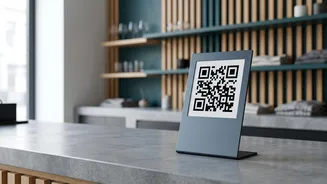
The new rules also include a crucial safeguard for India’s small businesses and street vendors. Any merchant who receives up to ₹1 lakh per month through UPI QR code payments will be completely exempt from MDR. This means your neighbourhood kirana store, vegetable vendor, or tea stall can continue accepting all UPI payments, even those above ₹2,000, without incurring any charge. This protection is designed to ensure that the digital payments revolution continues to benefit the smallest players in the economy and prevents any regression to cash-based dealings for fear of fees.
Are There Any Other Charges?
While the 0.4% rate is the general rule for large merchant transactions, there are a few specific sectors with different rates to ensure cost stability. For essential services like railways, telecom, insurance, and fuel, a flat fee of just ₹5 will apply to merchant payments above ₹2,000, instead of a percentage-based charge. Additionally, to encourage investment, payments made to capital market platforms like mutual funds or stockbrokers will attract a much lower MDR of 0.02%, also capped at ₹300. Finally, it's important to note that UPI AutoPay mandates for things like subscriptions or EMIs have no prescribed MDR under this framework.
Why Introduce a Fee Now?
For years, UPI has operated on a zero-MDR regime, a policy that rapidly drove its adoption across the country. However, processing billions of transactions securely requires enormous and continuous investment in technology, cybersecurity, and server infrastructure. Banks and payment companies have been bearing these costs without any revenue from UPI itself. The government has provided some subsidies, but for the long-term health and self-sustainability of the platform, a structured revenue model is deemed necessary. This nominal fee on larger commercial transactions is seen as a way to ensure the UPI ecosystem can continue to grow, innovate, and remain a world-class public utility without being entirely dependent on subsidies.