
What Exactly Is an Olla?
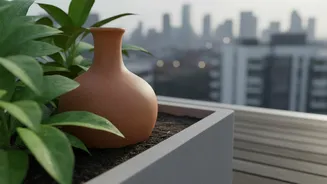
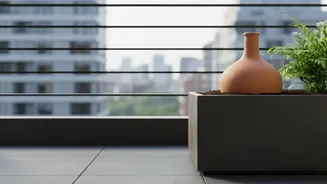
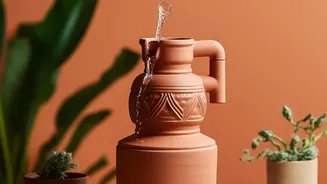
An olla (pronounced 'OH-yah') is a time-tested irrigation tool used by farmers for thousands of years in arid regions. It’s simply an unglazed, porous terracotta pot that you bury in the soil, leaving only the neck exposed. You fill the pot with water,
and its porous nature allows the water to slowly seep out directly into the soil. This ancient method is finding new life in modern urban gardens, from large raised beds to compact balcony containers, because of its incredible efficiency and simplicity.
The Smart Science of Slow-Sip Watering
The magic of an olla lies in a natural process called soil moisture tension. The water doesn't just leak out; it's actively pulled through the porous clay by the surrounding dry soil and thirsty plant roots. When the soil is moist, the water stays inside the olla. When the soil begins to dry, it wicks moisture from the pot. This creates a self-regulating system where plants take exactly the water they need, when they need it. This prevents the stressful cycles of overwatering and underwatering that are common pitfalls of container gardening, leading to healthier, more resilient plants.
Perfect for Pots and Planters
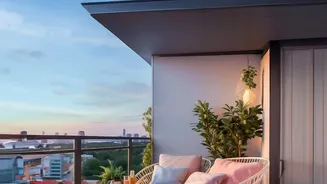
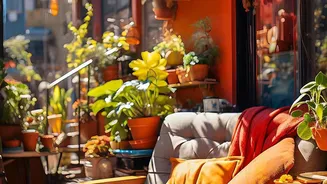
Balcony containers and pots dry out much faster than in-ground garden beds, making consistent watering a challenge. Ollas are an ideal solution. By delivering water directly to the root zone, they minimise water loss from surface evaporation, which is a major issue for pots exposed to sun and wind. This method encourages plants to develop deeper, stronger root systems as they grow towards the steady water source. Healthier roots mean a plant can better withstand heat stress. Plus, since the top layer of soil remains relatively dry, it can help reduce the growth of weeds and deter some pests.
Solving the 'Humid Dry' Weather Puzzle
The term 'humid dry weather' perfectly describes those spells where the air is thick with moisture but there's no rain, causing soil in pots to dry out surprisingly fast. Ollas are uniquely suited for this. While humid air slows surface evaporation slightly, it doesn't stop a plant's roots from needing water. An olla system bypasses the air's humidity and responds only to the soil's moisture level. Furthermore, by watering from below the surface, it keeps plant foliage dry. This is a significant advantage in humid climates, as wet leaves can encourage the spread of fungal diseases.
Choosing the Right Plants
Ollas work best for plants that prefer consistent moisture and have fibrous root systems. Thirsty vegetables like tomatoes, peppers, and cucumbers thrive with this system. In fact, consistent watering from an olla can help prevent problems like blossom end rot in tomatoes. Many herbs, especially basil, flourish because they are protected from both wilting and root rot. For your balcony, consider using ollas with flowering annuals like marigolds and zinnias, or even leafy greens. Just remember to place the olla close enough for the roots to find it, typically within a radius of 12-18 inches, depending on the pot's size.
How to Get Started
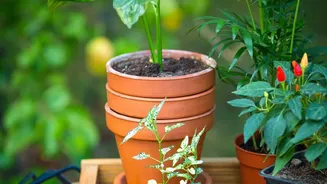
Using an olla is straightforward. When potting your plant, bury the olla in the container, leaving the neck sticking out a couple of inches above the soil line. Pack soil firmly around it to ensure good contact. Plant your chosen herbs or flowers around it. Fill the olla with water and cover the opening with its lid or a small stone to prevent evaporation and keep mosquitoes out. Depending on the weather and plant size, you may only need to refill it once or twice a week. You can purchase purpose-made ollas or create a DIY version by sealing the drainage hole of one terracotta pot and gluing another pot upside-down on top of it.