







Start from the Top: Roof and Terraces
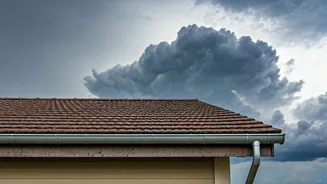
Your home's first line of defence against the rain is its roof. Before the downpours become a daily affair, it's crucial to conduct a thorough inspection. Look for any visible cracks, gaps, or loose tiles on your roof or terrace. Small cracks can become major
sources of leakage under the pressure of continuous rain. If you spot any, have them filled with a quality waterproof sealant. For flat terraces, a fresh coat of waterproof paint can add an extra layer of protection. Don't forget to check the parapet walls for any signs of damage. Taking care of these issues early is far more cost-effective than dealing with water damage and ruined interiors later.
Clear the Path: Drains and Gutters
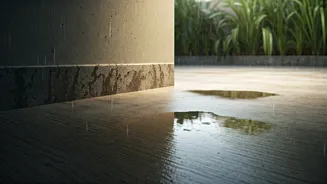
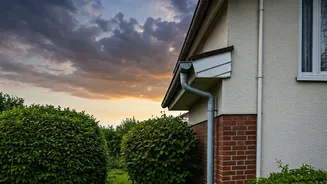
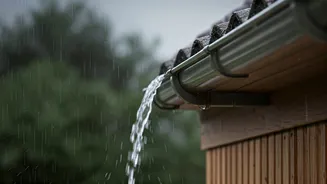
Waterlogging around your home is not just an inconvenience; it can weaken your home's foundation and become a breeding ground for mosquitoes. The primary culprit is often clogged drains and gutters. Over the dry months, leaves, dust, and other debris accumulate in these channels. Take the time to clear out all drains, pipes, and gutters around your property. Ensure that water has a clear and unobstructed path to flow away from your house. A simple check can prevent overflowing balconies, flooded driveways, and seepage into your walls. This is one of the simplest yet most effective monsoon-proofing tasks you can undertake.
Safety First: Inspect Electrical Systems
Water and electricity are a deadly combination. The high humidity and potential for leaks during the monsoon increase the risk of short circuits and electrical shocks. It’s essential to inspect all your electrical fittings. Check for any exposed wires, loose connections, or cracked switchboards. If you have outdoor wiring for lights, pumps, or doorbells, ensure they are properly insulated and waterproofed. It’s wise to have an electrician check the main fuse box and earthing systems for any faults. Consider installing a residual current circuit breaker (RCCB), which can automatically trip the power supply in case of a current leak, providing an essential layer of safety for your family.
Seal the Gaps: Doors and Windows
Wooden doors and windows tend to swell due to the high moisture content in the air, making them difficult to open and close. Before this becomes a daily struggle, check for any gaps around the frames. Sanding down the edges that stick and applying a coat of paint or varnish can prevent the wood from absorbing excess moisture. For metal frames, check for rust and apply a fresh coat of anti-rust paint. Installing rubber strips or sealant in the gaps can also prevent rainwater from seeping in during heavy winds, keeping your home dry and protecting your floors and walls from water damage.
Protect Your Interiors from Dampness
The fight against monsoon damage continues inside. High humidity can lead to dampness in walls, which encourages the growth of mould and mildew. This not only looks unsightly but can also trigger allergies and respiratory issues. Ensure proper ventilation in all rooms, especially kitchens and bathrooms. You can place moisture-absorbing products like silica gel pouches or camphor balls in wardrobes and cabinets to protect your clothes and other belongings from getting a musty smell. Keep wooden furniture a few inches away from walls to prevent moisture from seeping into the wood, which can cause it to warp or rot.
Prepare for the Unexpected
Monsoons can often bring power cuts and other disruptions. Having a basic emergency kit ready can make these situations more manageable. Your kit should include essentials like torches with extra batteries, a power bank for your mobile phones, a first-aid box, and a stock of essential medicines. It's also a good idea to have some candles and a lighter handy. Keeping a small supply of ready-to-eat snacks and clean drinking water can be a lifesaver if you are unable to step out due to heavy rain or waterlogging in your area. Being prepared allows you to handle minor emergencies without panic.