



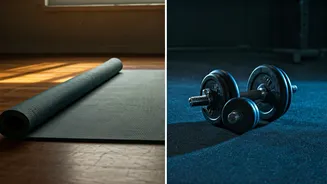


From Cardio King to Strength for All
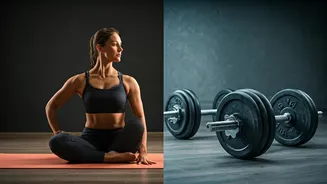
For decades, the path to fitness was paved with cardio. The goal was to run, cycle, or step your way to a slimmer physique. Strength training, on the other hand, was often relegated to a corner of the gym, perceived as the exclusive domain of bodybuilders.
This perception has dramatically changed. The current fitness landscape reveals a major cultural pivot: weekly resistance work is now recognized not just for building muscle, but as a cornerstone of holistic health for everyone, regardless of age or gender. This isn't just a fleeting trend but a response to evolving science and a new understanding of what it means to be truly fit.
The Science of Strength
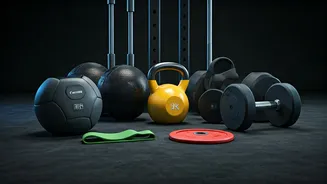
The explosion in popularity is backed by a mountain of scientific evidence. Beyond the visible benefits of muscle tone, resistance training offers profound health advantages. Studies consistently show that making your muscles work against a force—be it weights, bands, or your own bodyweight—strengthens bones and can reduce the risk of osteoporosis. It also revs up your metabolism; muscle tissue burns more calories at rest than fat, making weight management more sustainable. Furthermore, regular strength work is linked to better heart health, improved insulin sensitivity which can help manage or prevent type 2 diabetes, and even sharper cognitive skills.
A Movement of Empowerment
For many, especially women, the embrace of strength training is also a powerful statement. The old myth that lifting weights makes women 'bulky' has been thoroughly debunked. Instead, the focus has shifted to being strong, capable, and resilient. This has fostered a sense of confidence and mental fortitude that extends far beyond the gym. The psychological benefits are significant; lifting weights is proven to reduce stress and anxiety by lowering cortisol and releasing mood-boosting endorphins. Achieving a new personal best or mastering a difficult lift provides a tangible sense of accomplishment that builds self-esteem in all areas of life.
How to Join the Movement
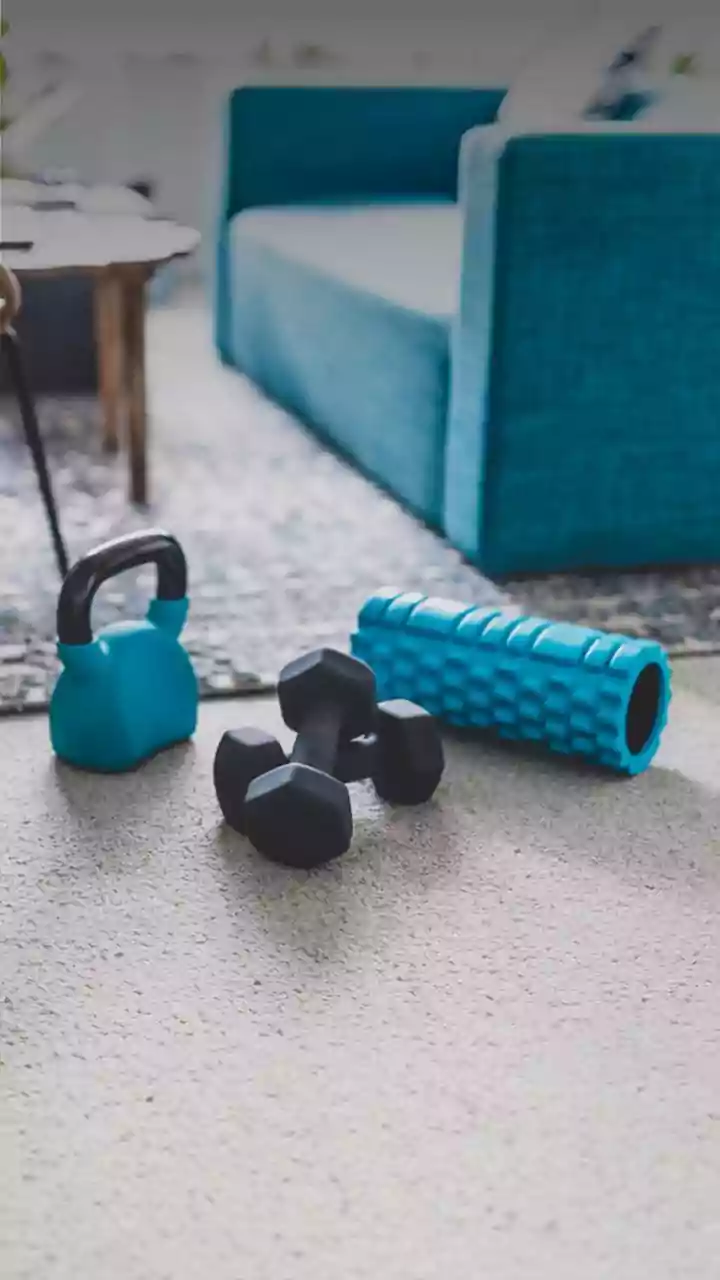
Getting started with resistance training is simpler than it seems and doesn't require a hefty gym membership. The key is consistency, with guidelines often recommending muscle-strengthening activities at least two days a week. You can begin with bodyweight exercises like squats, push-ups, and planks. Resistance bands offer a low-cost, versatile way to add challenge. If you do use weights, starting with a lighter load to master the correct form is crucial to prevent injury. As you get stronger, you can gradually increase the weight or difficulty. The most important thing is to find activities you enjoy, whether it's a group class, a session with a trainer, or a routine you can do at home.
A Trend with Staying Power
Unlike fleeting fitness fads, the move towards strength training appears to be a permanent fixture. This shift is rooted in a deeper understanding of long-term health and functionality—the ability to carry groceries, play with your kids, and remain independent as you age. In India, trends like functional fitness are on the rise, emphasizing movements that support real-life activities. As more people experience the comprehensive benefits—from physical strength and a healthier metabolism to improved mood and confidence—resistance work is solidifying its place as an essential component of a modern, well-rounded fitness regimen.