





Pack Smart, Not Just More
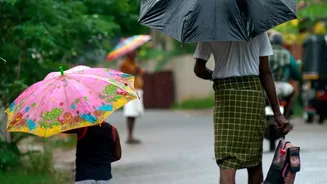
Your packing strategy needs a monsoon-specific upgrade. Instead of heavy cottons and denims that take ages to dry, opt for lightweight, synthetic fabrics. These materials are breathable and dry quickly, a lifesaver in humid conditions. A compact, foldable
raincoat and a sturdy umbrella are non-negotiable. For your electronics and important documents like IDs, tickets, and hotel bookings, waterproof pouches or zip-lock bags are essential. Even a high-quality waterproof backpack can benefit from this extra layer of protection. A clever addition is a few silica gel packets tossed into your luggage to absorb moisture and prevent that damp smell from setting in.
Prep Your Vehicle for Wet Roads
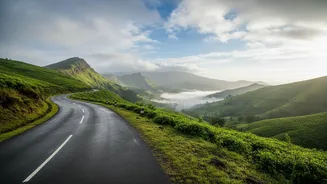
If you're planning a road trip, a pre-monsoon check-up for your car is crucial. The most critical components are your tyres, brakes, and wipers. Ensure your tyres have adequate tread depth—at least 2-3mm—to provide better grip and prevent aquaplaning on slick roads. Worn-out wiper blades will streak and fail to clear your windscreen effectively, compromising visibility in a downpour. Test your brakes to ensure they respond well without juddering. Also, check all your lights—headlights, tail-lamps, and indicators—as they are vital for being seen in low-light, rainy conditions. Finally, consider an anti-rust coating for the underbody to protect it from corrosion caused by mud and water.
Leverage Your Digital Toolkit
Your smartphone can be your best travel companion. Before you leave, download reliable weather apps to get real-time forecasts for your route and destination. Navigation apps like Google Maps are indispensable for checking live traffic updates and finding alternative routes in case of waterlogging or roadblocks. For train and flight travellers, the official IRCTC Rail Connect app and airline-specific apps like IndiGo or MakeMyTrip are vital for tracking your PNR status, checking for delays, and managing bookings. It's also wise to have a power bank fully charged, as power cuts can be common during heavy rains.
Prioritise Health and Hygiene
The monsoon season brings an increased risk of waterborne and mosquito-borne diseases. Be extra cautious about what you eat and drink. Avoid street food, no matter how tempting, as it carries a high risk of contamination. Stick to bottled or filtered water, and if possible, carry your own water bottle. A basic first-aid kit containing medication for common ailments like colds, fever, and stomach issues, along with antiseptic cream and bandages, is a must-have. Don't forget a potent insect repellent to protect yourself from mosquito bites, especially during the evenings.
Build Buffers and Plan for Delays
Monsoon travel is often unpredictable. Flights, trains, and buses can be delayed or cancelled due to severe weather, waterlogged tracks, or landslides. The key is to plan for disruption. Build buffer time into your itinerary; avoid scheduling tight connections or important meetings immediately after you're supposed to arrive. Booking flights earlier in the day can be a good strategy, as delays tend to pile up as the day progresses. Where possible, opt for refundable bookings and consider travel insurance that covers weather-related cancellations and delays. Keeping some light snacks and a book or downloaded shows handy can make unexpected waits far more bearable.