



The Urban Enemy: Light Pollution
The single biggest obstacle between you and a dazzling meteor shower is light pollution. The excessive artificial light from cities creates a bright haze, or 'skyglow,' that washes out all but the brightest celestial objects. This means that while a meteor shower might
be producing dozens of shooting stars per hour, you might not see a single one from a city balcony. To truly witness these events, you need to find a 'dark sky' location, a place with minimal artificial light. India, with its vast and varied landscapes, offers numerous pockets of pristine darkness perfect for this celestial escape.
The High-Altitude Advantage: Ladakh
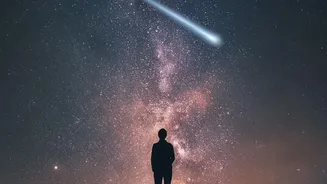
When it comes to dark skies in India, Ladakh is in a class of its own. Its high altitude, arid climate, and sparse population create near-perfect conditions for stargazing. The star of the region is Hanle, home to India's first-ever Dark Sky Reserve. Located within the Changthang Wildlife Sanctuary, Hanle's skies are so dark they are rated Bortle Class 1—the highest possible rating for darkness. At an altitude of 4,500 metres, you are above much of the Earth's atmosphere, meaning the air is thinner and drier, resulting in incredibly sharp and clear views of the cosmos. Here, the Milky Way is not just a faint band but a brilliant, textured river of light visible to the naked eye.
The Himalayan Escape: Spiti Valley
Another high-altitude cold desert, Spiti Valley in Himachal Pradesh, offers a similarly breathtaking celestial experience. Like Ladakh, its remoteness and elevation mean light pollution is virtually non-existent. Villages like Kaza, Kibber, and Langza serve as excellent bases for stargazing, with homestays and guesthouses offering unobstructed views of the heavens. The dry, crisp mountain air ensures the skies are clear for much of the year, particularly between May and October. The experience in Spiti is often described as immersive; the deep silence of the valley combined with a sky crowded with stars creates a profound connection with the universe.
The Annual Spectacle: Perseid Meteor Shower
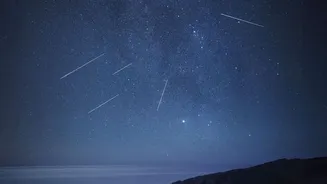
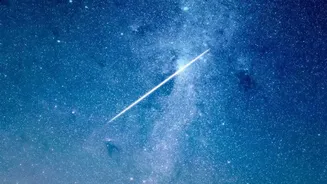
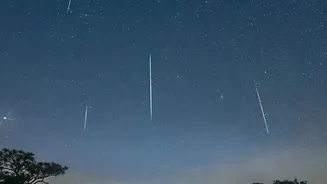
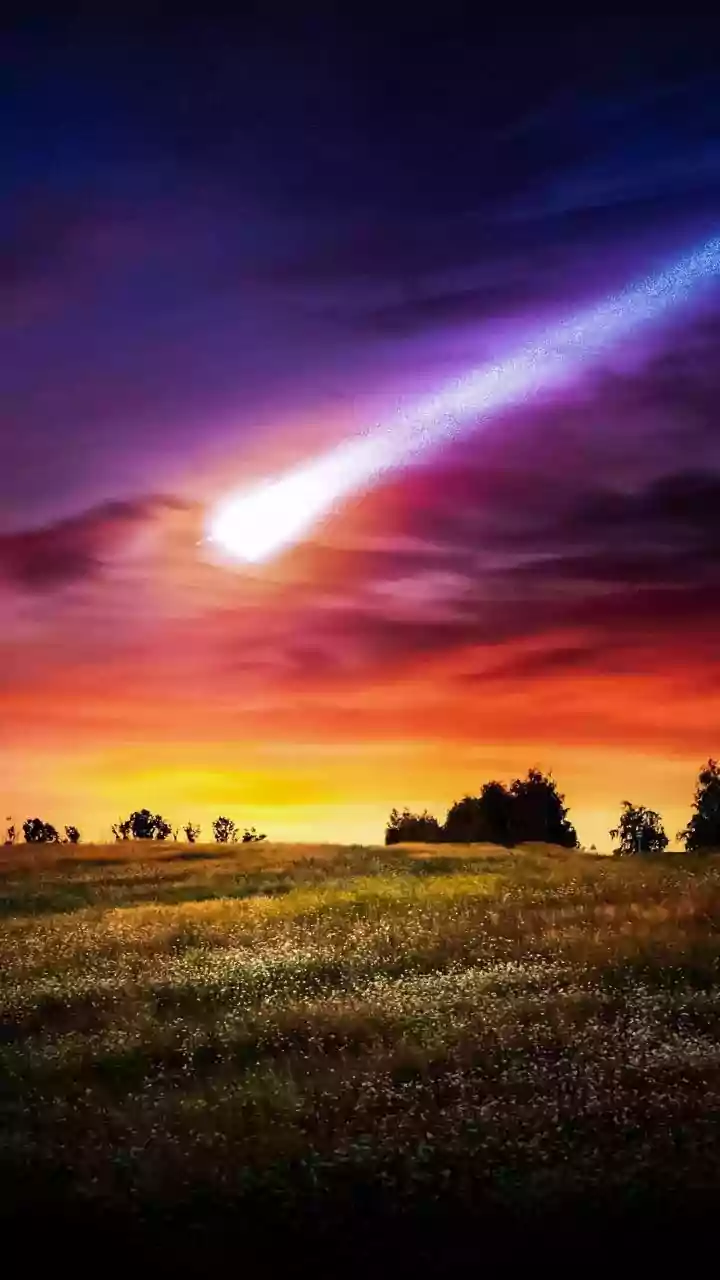
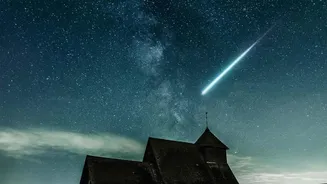
The headline event for August stargazers is the Perseid meteor shower, which peaks around August 12-13. This annual event occurs when Earth passes through the debris trail of Comet Swift-Tuttle. These tiny particles, many no bigger than a grain of sand, burn up upon entering our atmosphere, creating the brilliant streaks of light we call shooting stars. The 2026 shower is expected to be particularly spectacular as the peak coincides with a new moon, ensuring the darkest possible skies. For viewers in India, the best time to watch is in the pre-dawn hours of August 13, between 2:00 AM and 4:30 AM IST. No special equipment is needed; the best way to enjoy a meteor shower is with your naked eyes, lying back and taking in as much of the sky as possible.
Other Dark Sky Havens
While the Himalayas offer world-class conditions, you don't have to go to extreme altitudes to find dark skies. The vast, flat expanse of the Rann of Kutch in Gujarat provides an unobstructed 360-degree horizon, making you feel like you're inside a celestial dome. In the south, the coffee plantations and hills of Coorg in the Western Ghats offer pockets of darkness away from urban centres. Even desert landscapes like those near Jaisalmer in Rajasthan offer accessible stargazing opportunities, with many desert camps providing telescopes and guided sessions. The key is to get as far away from city lights as possible to let your eyes adapt and the universe reveal itself.