






First, Find the Source
Before you can effectively treat the smell, you need to know where it's coming from. A musty odour is usually caused by mould and mildew, which thrive in damp, poorly ventilated areas. [1, 6] These fungi release gases that create that distinct “damp”
scent. [6] Common culprits include hidden water leaks from pipes or roofs, high humidity in bathrooms and basements, or even damp laundry left for too long. [5, 10] Do a quick tour of your home and use your nose. Is the smell stronger in a specific room? Check under sinks, behind furniture, and in corners to pinpoint the problem area. [3, 9] Once you've found the source of the excess moisture, you can address it directly. [2]
Let the Fresh Air In
One of the simplest and most effective strategies is to improve ventilation. [12] Stale, stagnant air traps moisture, creating a perfect breeding ground for mildew. [4, 11] Whenever the weather permits, open windows and doors to create a cross-breeze that pushes musty air out and brings fresh air in. [1, 3] Using fans can also significantly help circulate the air, especially in rooms without good natural airflow. [2] In areas like bathrooms and kitchens, make it a habit to use extractor fans to pull moisture out of the air. [6] Good ventilation is your first line of defence against damp smells taking hold. [13]
Use Natural Odour Absorbers
You don't need harsh chemicals to tackle musty smells. Several common household items are excellent natural deodorizers. Baking soda is a powerhouse, known for absorbing odours from both the air and fabrics. [1, 7] You can place open bowls of it in musty rooms or sprinkle it on carpets and upholstery before vacuuming. [7, 8, 9] Activated charcoal is another highly porous material that works wonders for absorbing both moisture and smells. [2, 12] Placing bags of charcoal in wardrobes or damp corners can make a big difference. Even a bowl of white vinegar left out overnight can help neutralise airborne odours. [1, 2, 8]
Clean Surfaces with Vinegar
For surfaces where mould or mildew is visible, a simple cleaning solution is often enough. White vinegar is a natural and effective option for killing mould spores on contact. [2, 3] Mix equal parts white vinegar and water in a spray bottle, spray it on the affected area, let it sit for a few minutes, and then scrub with a brush or sponge. [2, 3] Unlike bleach, which can sometimes cause mould spores on porous surfaces like wood to retreat deeper, vinegar gets to the root of the problem. [3] After cleaning, ensure the area is dried thoroughly to prevent regrowth. [1]
Tackle Wardrobe and Closet Dampness
Closets are common hotspots for musty smells because they are dark, enclosed, and often over-packed, which restricts airflow. [17] To keep your clothes smelling fresh, ensure everything you put away is completely dry. [15] Periodically leave wardrobe doors open to let air circulate. [16, 17] You can also place moisture-absorbing products like silica gel packets or desiccants inside. [7, 18] For a natural solution, cedar blocks or hangers not only absorb moisture but also impart a pleasant scent. [17] Decluttering your wardrobe to improve airflow can also prevent moisture from getting trapped between items. [15]
Consider a Dehumidifier
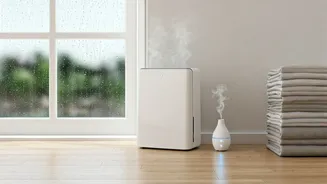
For rooms with persistent dampness, such as basements, laundry rooms, or poorly ventilated bathrooms, a dehumidifier can be a game-changer. [1, 12] These appliances work by pulling excess moisture from the air, helping to maintain an indoor humidity level below 50%—the point at which mould and mildew struggle to grow. [2, 4] Running a dehumidifier can be especially helpful after heavy rain or during humid seasons, preventing the root cause of musty odours from developing in the first place. [1, 10]