



From Monuments to Meaning
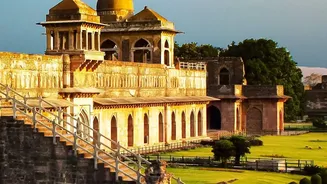
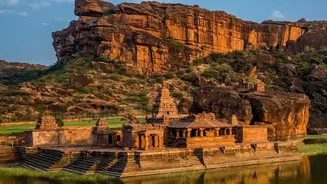
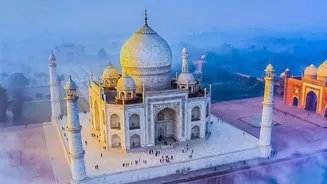
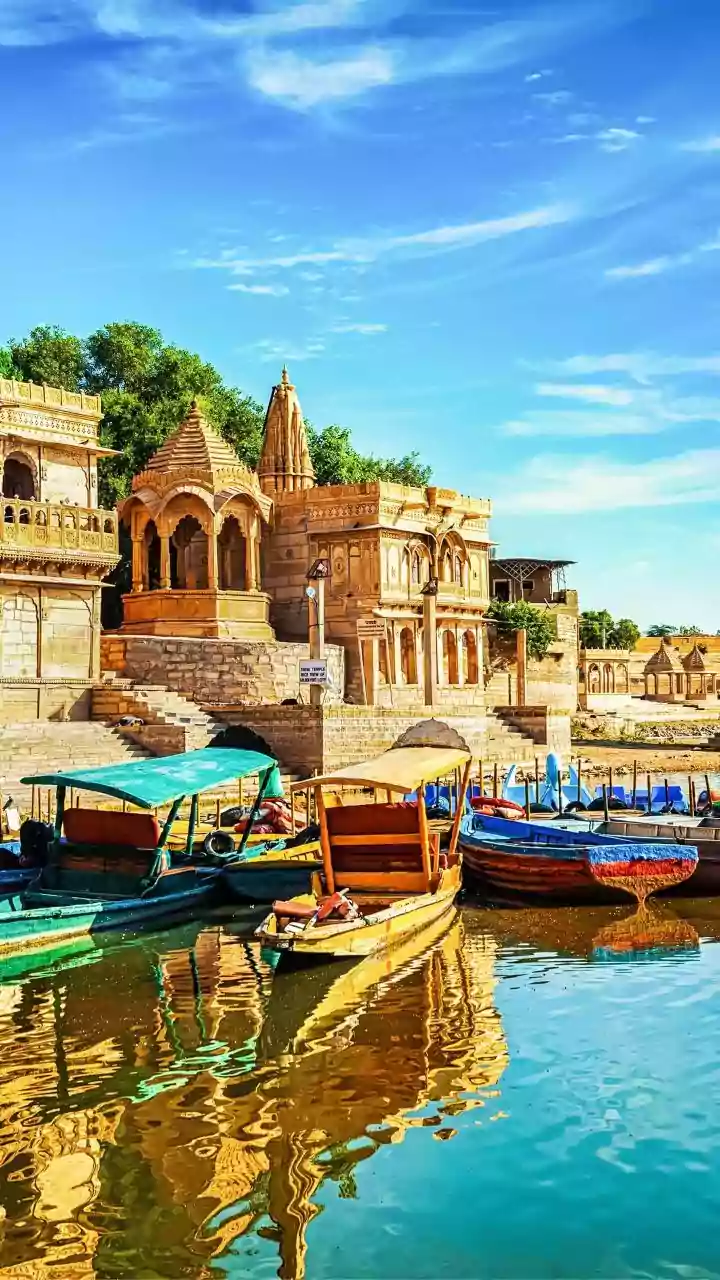
The classic image of an Indian holiday—the Taj Mahal at sunrise, the bustling markets of Jaipur, the serene backwaters of Kerala—is starting to get a major update. While these destinations remain popular, a new kind of travel is gaining significant momentum
across the country. More and more travellers, both domestic and international, are looking for journeys that offer personal growth, peace, and a genuine connection to place. This has sparked a boom in three key areas: spiritual journeys, wellness retreats, and nature-based tourism. This evolution is not just changing itineraries; it's reshaping India's entire tourism identity and economy, pushing development and tourist traffic into smaller towns and previously overlooked regions.
The Search for Serenity: Spiritual Tourism
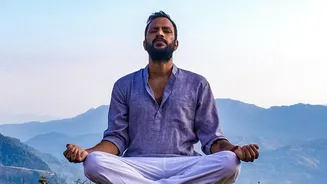
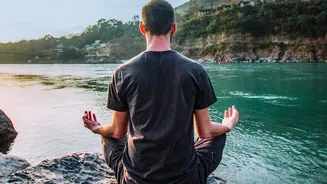
Spiritual travel is a cornerstone of this new wave, generating significant demand for transport, accommodation, and local services around major pilgrimage sites. Ancient cities like Varanasi, Ayodhya, Ujjain, and Madurai are experiencing a resurgence, supported by government initiatives like the PRASHAD scheme, which focuses on upgrading infrastructure at key religious locations. This scheme aims to make these sacred places more accessible and sustainable, preserving their spiritual integrity while boosting local economies. The appeal goes beyond organized religion; it taps into a universal desire for reflection and purpose, attracting visitors to yoga ashrams in Rishikesh, Buddhist monasteries in the Himalayas, and Sufi shrines across the country. This trend is so significant that improved rail and road connectivity is often concentrated along these pilgrimage corridors.
Healing the Body and Mind: The Wellness Wave
Parallel to the spiritual quest is a powerful movement towards wellness. India is rapidly becoming a global hub for travellers seeking to rejuvenate their health. The country's wellness tourism market was valued at nearly USD 29 billion in 2025 and is projected to grow substantially. This growth is fueled by India's deep-rooted traditions of Ayurveda, yoga, and naturopathy. Destinations like Kerala have long been famous for their Ayurvedic resorts, but the trend is now nationwide. Travellers are booking stays at wellness clinics, eco-wellness lodges, and integrated health retreats that blend modern medical expertise with ancient healing philosophies. The Ministry of Tourism has officially recognized wellness as a niche product, even introducing special e-visas for those seeking treatments, highlighting its economic importance.
Into the Wild: The Call of Nature
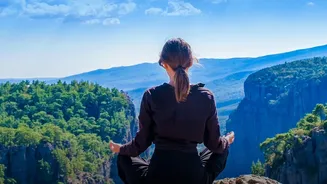
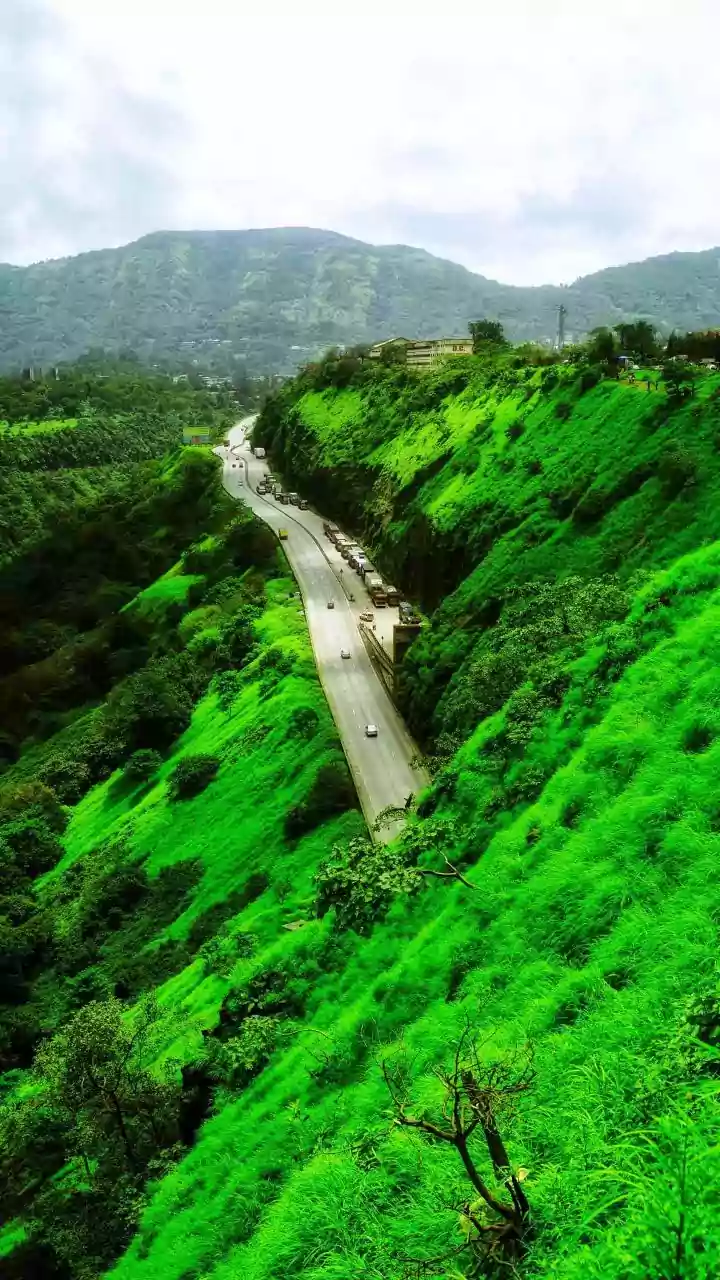
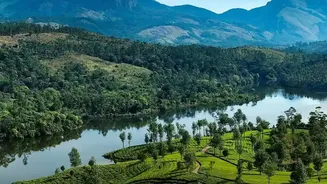
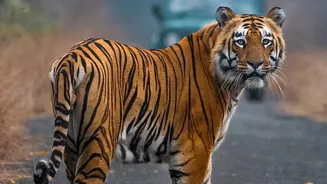
The third pillar of this transformation is a renewed appreciation for India's incredible biodiversity. Travellers are increasingly seeking out eco-tourism and nature-based adventures. This includes responsible wildlife safaris in national parks like Ranthambore, trekking in the Himalayas, and exploring unique ecosystems from the Western Ghats to the Sundarbans mangroves. States like Sikkim, which became India's first fully organic state, are setting a benchmark for sustainable travel by offering authentic, low-impact experiences. This shift is driven by a desire to disconnect from urban life and reconnect with the natural world, a sentiment that has grown stronger in recent years. The growth of eco-lodges and community-run homestays ensures that tourism revenue directly supports conservation and local livelihoods.
Why This Shift Is Happening Now
Several factors are driving this change. The post-pandemic world has left many people with a desire for more meaningful and less crowded experiences. There is a growing awareness of mental and physical well-being, with travel seen as a way to heal and recharge rather than just sightsee. For many, especially younger travellers, sustainability is no longer an afterthought but a core value that shapes their choices. The Indian government has also played a crucial role, investing heavily in infrastructure and promoting thematic travel circuits that go beyond the usual hubs. This combination of changing personal values and strategic government support is creating a more diverse, resilient, and enriching tourism landscape for all.