




The Protein Power Play
Protein is often the first thing people look at, and this is where the comparison gets interesting. On paper, lentils are the clear winner in quantity, packing around 9 grams of protein per 100g cooked serving, which is more than double the 4.4 grams found
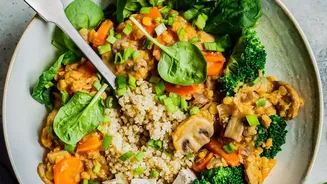
in quinoa. However, quinoa's claim to fame is its protein quality. Quinoa is a 'complete protein', meaning it contains all nine essential amino acids your body can't produce on its own. This is rare for a plant-based food. Lentils, like most legumes, are 'incomplete'. They are low in two amino acids, methionine and cysteine. But this is easily solved. For generations, Indian meals have instinctively paired lentils (dal) with grains like rice or roti. This combination creates a complete protein profile, giving you all the essential amino acids you need.
Fibre: The Unsung Hero
If you're looking to boost your fibre intake for better digestion, satiety, and gut health, lentils are the undisputed champion. A 100g serving of cooked lentils delivers a massive 7.9 grams of fibre. Quinoa offers a respectable 2.8 grams, which is good, but simply not in the same league. The high fibre content in lentils is what makes them so filling and beneficial for regulating blood sugar levels. It slows down digestion, preventing sharp energy spikes and crashes, and keeping you feeling full for longer. For anyone focused on gut health or weight management, the fibre advantage of lentils is significant.
Calories and Carbohydrates
When it comes to calories and carbs, quinoa and lentils are surprisingly similar. A 100g serving of either, once cooked, hovers around 116-120 calories and contains about 20-21 grams of carbohydrates. Both are primarily composed of complex carbohydrates, which are digested slowly and provide sustained energy. Furthermore, both quinoa and lentils have a low glycemic index (GI), a measure of how quickly a food raises blood sugar levels. This makes them excellent choices for maintaining stable energy and are particularly beneficial for individuals managing diabetes.
The Micronutrient Match-Up
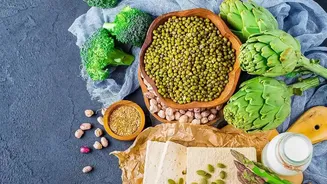
Beyond the big three (protein, carbs, fat), the vitamin and mineral content is where these two foods really show their unique strengths. Lentils are a nutritional powerhouse when it comes to certain micronutrients. They are an exceptional source of folate, a B-vitamin crucial for cell growth and metabolism, providing significantly more than quinoa. Lentils also boast a higher iron content, which is vital for carrying oxygen in the blood and preventing fatigue. Quinoa, on the other hand, shines as a fantastic source of manganese and magnesium. Magnesium plays a role in hundreds of bodily functions, including muscle and nerve function, while manganese is important for bone health and metabolism. Both contain a variety of other useful nutrients, but if you're targeting folate or iron, lentils have a distinct edge.
In the Kitchen: Cost and Convenience
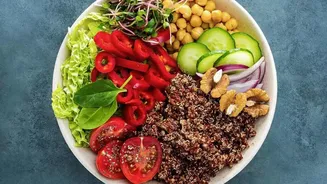
Nutrition is only part of the story; practicality matters, too. In India, lentils (or dal) are a dietary cornerstone. They are inexpensive, widely available, and a familiar comfort food. They form the base of countless traditional dishes and are incredibly versatile. Quinoa is a relative newcomer. It's often significantly more expensive and can be perceived as a 'gourmet' health food. Its culinary strength lies in its mild, nutty flavour and fluffy texture, which makes it a great substitute for rice, a base for salads, or an addition to breakfast bowls. It's quick to cook, but it requires thorough rinsing to remove its natural coating, called saponins, which can give it a bitter taste.