




Choose Your Fabrics Wisely
The golden rule of monsoon packing is to avoid heavy fabrics like denim and thick cotton, which take ages to dry in high humidity. Instead, opt for lightweight, synthetic, and quick-drying clothes. Polyester blends, nylon, and light cottons are your best
friends. These materials are breathable and will dry quickly even after an unexpected soaking. Packing dark-coloured clothing can also be a smart move, as it helps to hide any splashes or mud stains from wet roads. Layering is another effective strategy; a combination of light shirts, a thin sweater, and a waterproof outer layer allows you to adapt to temperature changes that often follow a downpour.
The Art of Waterproofing Everything
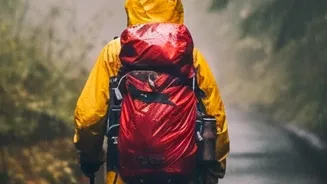
Assume everything has the potential to get wet, and pack accordingly. Start with your main luggage; while hard-shell suitcases offer good protection, a waterproof backpack or a soft duffel bag with a rain cover is often more practical for road trips. Inside your main bag, compartmentalise using waterproof dry bags or stuff sacks. Even simple zip-lock bags are invaluable for creating an extra layer of protection for documents, wallets, and smaller items. A critical tip is to always pack a separate bag specifically for wet or dirty clothes to keep them from making everything else damp and musty.
Safeguard Your Gadgets and Gizmos
Water and electronics are a disastrous mix. To protect your phone, camera, and power bank, use dedicated waterproof cases or pouches. For added security, especially in very wet environments, consider double-bagging your sensitive electronics. Pack a 20,000 mAh power bank, as power cuts can be more frequent in some areas during the monsoon. Also, remember to download offline maps for your route, as mobile network coverage can be unreliable in heavy rain or remote areas. Keeping a few silica gel packets in your electronics bag can also help absorb ambient moisture and prevent condensation damage.
Assemble a Monsoon-Specific Health Kit
The rainy season brings a higher risk of water-borne diseases and insect-borne illnesses. Your first-aid kit should be tailored to these challenges. Alongside standard items like bandages, antiseptic solution, and pain relievers, be sure to include a strong insect repellent, preferably one containing DEET. Also pack medication for common monsoon ailments like fever and diarrhoea, as well as Oral Rehydration Salts (ORS) to combat dehydration. Waterproof bandages are a small but significant upgrade for a monsoon kit.
Prepare Your Vehicle for the Challenge
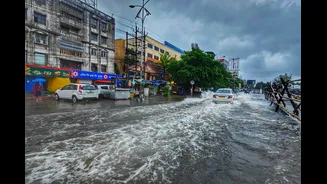
Your car is your primary shelter on a road trip, so ensuring it's ready for the monsoon is non-negotiable. Before you leave, check your tyres for adequate tread depth to avoid aquaplaning on wet roads. Replace worn-out wiper blades to ensure clear visibility during a downpour. Test all lights—headlights, taillights, and fog lamps—as you'll need them for seeing and being seen in low-visibility conditions. Inside the car, having 3D bucket-style floor mats can be a game-changer; they trap water and mud from your shoes, preventing the car's carpet from getting soaked and developing mould. Also, pack a basic emergency kit including a flashlight, tow rope, and a portable tyre inflator.
Smart Extras You Won't Regret Packing
A few small items can make a huge difference in comfort and convenience. A quick-drying microfibre towel is far more practical than a standard cotton one. A sturdy umbrella and a reliable raincoat or poncho are essential for any stops along the way. Don't forget to pack a pair of waterproof footwear with good grip, like rubber sandals or anti-skid trekking shoes, as streets can be slippery and flooded. Finally, pack some snacks like granola bars and nuts, and maybe a good book or downloaded movies for those times you might be happily waylaid by a beautiful, heavy downpour.