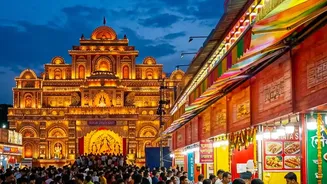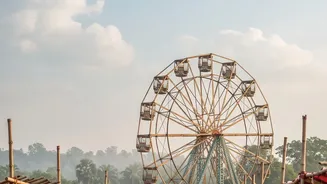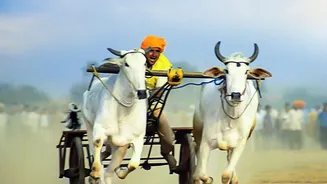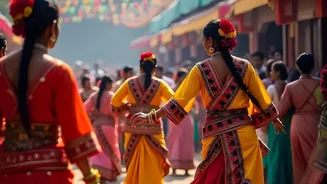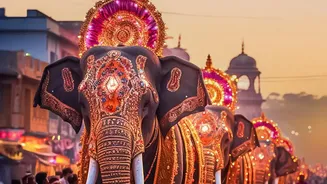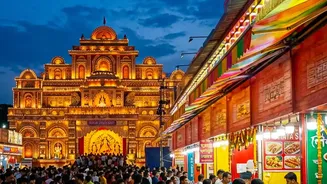

The Two Halves of the Mela
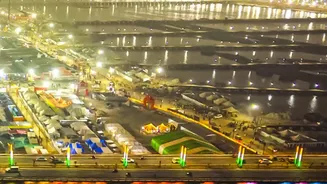
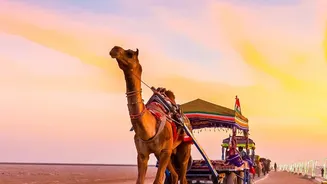
The Pushkar Mela is two events in one: a massive livestock market and a sacred pilgrimage. The 2026 fair runs from November 17 to November 24. The first half, roughly November 17 to 20, is dominated by the arrival of herders and the trading of over 50,000
camels, horses, and cattle. This period offers a more authentic, unfiltered view of the fair's commercial roots. The second half, from November 21 to 24, shifts focus to cultural events, competitions, and religious ceremonies, culminating in the holy dip in Pushkar Lake on the full moon day of Kartik Purnima, which falls on November 24. This is when tourist crowds peak.
Essential 2026 Dates and Events
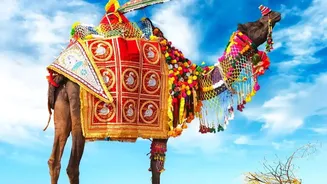
The official cultural events sponsored by Rajasthan Tourism kick off on November 17. While the full day-by-day schedule is often confirmed closer to the date, key events follow a familiar pattern. Expect camel decoration contests, turban-tying, and the famous longest moustache competition in the middle days. Other highlights include the 'Chak De Rajasthan' football match between locals and foreigners, a Mandana competition, and evening Maha Aarti ceremonies at the ghats. The grand finale is the Kartik Purnima 'Maha Snan' at dawn on November 24, where thousands of pilgrims gather for a sacred bath in Pushkar Lake. For a good mix of action without the absolute peak crowds, many travellers target the November 19-22 window.
Getting There and Around
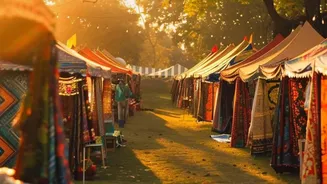
The nearest major airport is in Jaipur (Sanganer Airport), about 146 km away, while the closest railway station is Ajmer Junction, just 15 km from Pushkar. From Ajmer, you can take a taxi or a local bus, but expect traffic delays during the fair. Once in Pushkar, the Mela ground is the main hub of activity. The town itself is small, but its narrow lanes become extremely congested. Renting a two-wheeler can be a good way to get around, though walking is often the most practical option for short distances. Be prepared for a lot of walking on sandy, dusty terrain.
Accommodation: Book Well in Advance
Pushkar is a small town, and its accommodation fills up months ahead of the fair, with prices often increasing significantly. Options range from budget guesthouses in the town centre to heritage hotels and luxury tented camps on the outskirts. Staying right in town offers proximity to the action but can be noisy and crowded. Many visitors opt to stay in nearby Ajmer or at resorts a short drive away, which provide a quieter retreat from the festival's intensity. Luxury tents, some with amenities rivaling five-star hotels, offer a unique way to experience the desert landscape.
Tips for Navigating the Crowds
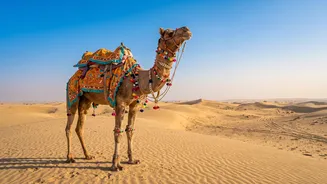
The headline attraction is the crowd itself, but managing it is key. Start your days early, especially if you want to photograph the camel herds on the dunes at sunrise when the light is best and the atmosphere is most authentic. During the day, take breaks to escape the heat and chaos; many find the fair is best enjoyed in focused bursts rather than a full-day marathon. Keep your valuables secure and carry enough cash in small denominations, as many local vendors prefer it and ATMs can run dry. Since Pushkar is a holy town, dress modestly, especially when visiting the lake ghats and temples. Alcohol and non-vegetarian food are prohibited within the town.
Beyond the Fairgrounds
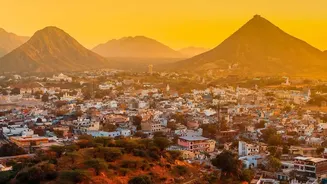
While the Mela is the main draw, take time to explore Pushkar's spiritual heart. The town is built around the sacred Pushkar Lake, which has 52 bathing ghats. Visiting the ghats for the evening aarti is a memorable experience. Pushkar is also home to one of the world's few temples dedicated to the Hindu creator god, Brahma, which sees heavy footfall during the fair. For a stunning panoramic view of the town and the sprawling fairgrounds, take the cable car or hike up to the Savitri Temple on the hilltop.