


The Drying Imperative: Your First Line of Defence
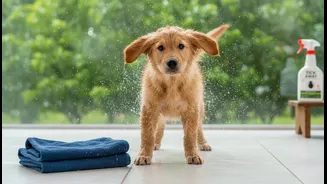
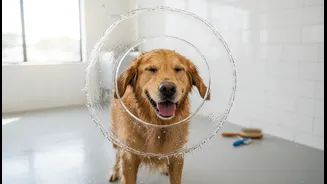
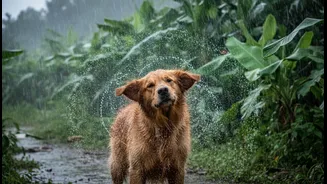
The single most important habit during the rainy season is thoroughly drying your dog after every single walk. Damp fur, especially in a humid environment, is a breeding ground for fungi and bacteria, leading to common monsoon issues like hot spots (acute
moist dermatitis) and yeast infections. These conditions cause intense itching, redness, and a foul, musty odour. Simply letting your dog “air dry” is not an option. Use a highly absorbent microfibre towel and be methodical. Start with the paws, legs, and belly before moving to the back and head. Pay special attention to hidden areas that trap moisture, like armpits, groin, skin folds, and the spaces between their toes. For dogs with thick or long coats, a towel alone may not be enough. Consider using a hairdryer on a low-heat, low-speed setting to ensure the undercoat is completely dry.
Mastering the Monsoon Clean-Up
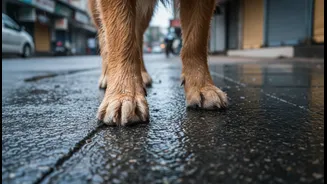
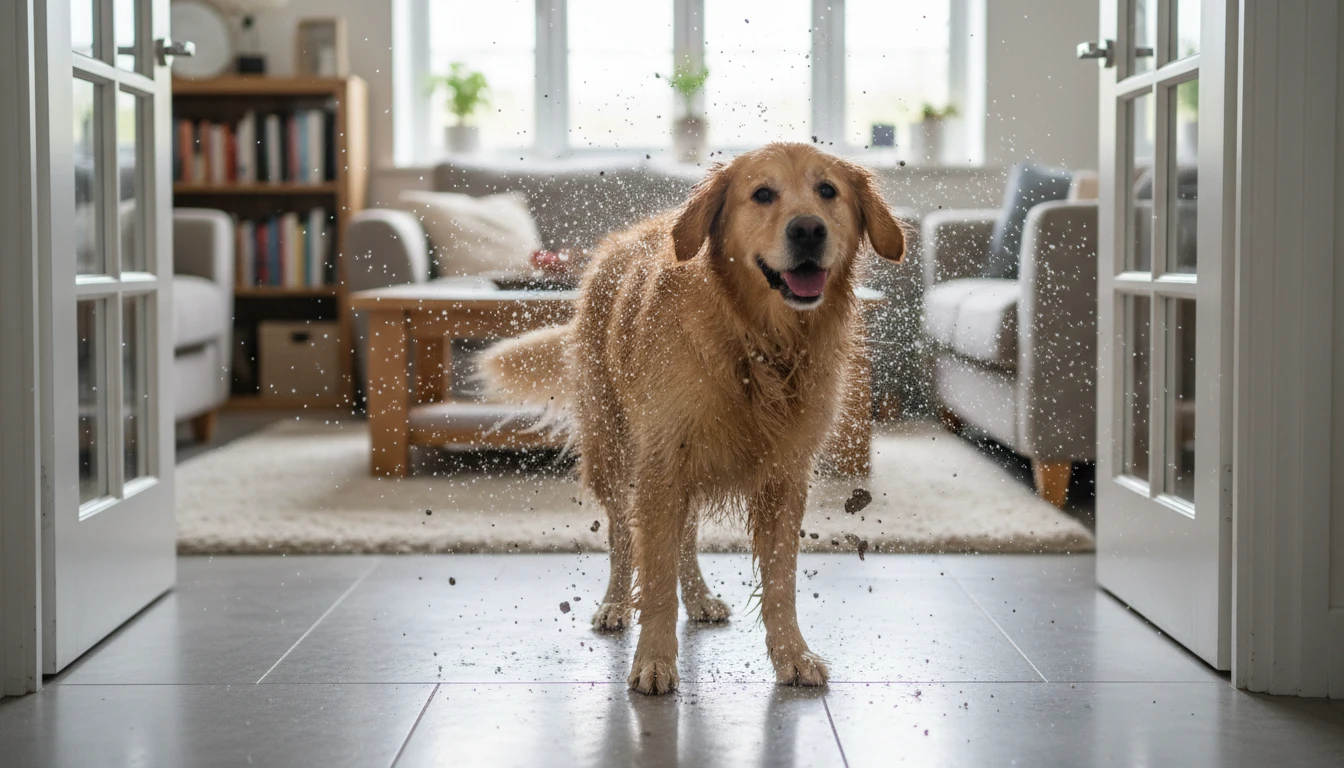
Wet walks mean muddy paws, which carry more than just dirt. Puddles and waterlogged streets can harbour harmful bacteria and pollutants. Establish a cleaning station by your door. After every walk, meticulously clean your dog’s paws. A damp cloth or pet-safe wipes can work for light dirt, but for muddy paws, a proper wash with lukewarm water and a mild dog shampoo is best. Always dry the paws thoroughly afterwards, especially between the pads. While cleaning is crucial, avoid over-bathing your dog, as frequent baths can strip their skin of natural oils, making it more vulnerable. When you do bathe them, consider using a vet-approved antifungal shampoo as a preventive measure, especially if your dog is prone to skin issues. Regular brushing is also vital, as it removes dirt, prevents matting that traps moisture, and improves air circulation to the skin.
Winning the War on Ticks and Fleas
The humidity and warmth of the monsoon season lead to a population explosion of ticks and fleas. These parasites are not just a nuisance; they can transmit serious diseases like Lyme disease, ehrlichiosis, and babesiosis. Prevention is far more effective than treatment. Speak with your veterinarian about the best tick and flea preventive for your dog, which may come as a topical spot-on treatment, an oral chewable tablet, or a medicated collar. No product is 100% effective, so daily checks are a must. After walks, run your hands over your dog's entire body, feeling for small bumps. Pay close attention to warm, dark areas where ticks love to hide: in and around the ears, between the toes, in the armpits, and under the collar. If you find a tick, remove it promptly and properly to minimize the risk of disease transmission.
Adjusting Diet and Hydration
A dog's digestive system can become more sensitive during the monsoon. Reduced physical activity due to shorter walks can slow down their metabolism. Some experts suggest providing lighter, easily digestible meals. A high-quality diet rich in protein and omega fatty acids helps support skin health from the inside out. Avoid leaving wet or home-cooked food out for too long, as it can spoil quickly in the humid weather. Access to clean drinking water is paramount. Never let your dog drink from puddles or stagnant water, which can be contaminated with leptospirosis and other dangerous pathogens. Ensure their water bowl is cleaned daily and always filled with fresh, filtered water.
Indoor Enrichment and Home Hygiene
Shorter or cancelled walks mean you need to find other ways to keep your dog physically and mentally stimulated. Engage them with indoor games like hide-and-seek, puzzle toys, or training sessions to practice new tricks. Keeping your home environment clean is just as important as grooming your dog. Wash your dog's bedding, blankets, and fabric toys frequently in hot water to prevent the buildup of fungi and bacteria. Vacuum carpets and rugs regularly, as they can trap moisture and allergens brought in from outside. A clean, dry home reduces the risk of your dog developing recurring skin infections from their environment.