
What Exactly Is the Harvest Moon?
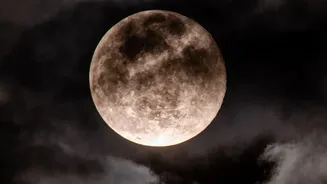
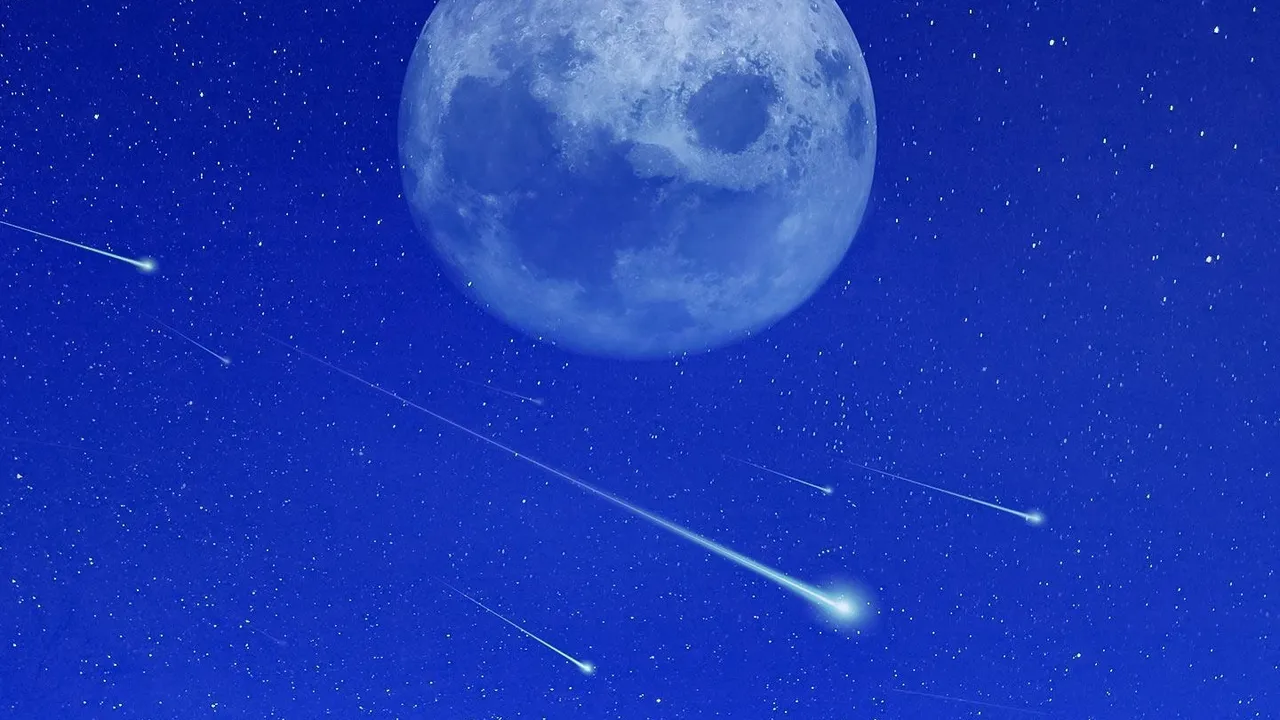
The Harvest Moon is not just any full moon; it is the full moon that occurs closest to the autumnal equinox, which marks the start of autumn in the Northern Hemisphere. Its name comes from a time before electricity, when farmers depended on its bright
light to work late into the night, gathering their crops before the first frost. This practical purpose made it a crucial part of the agricultural calendar, a symbol of abundance and preparation for the coming winter. While we often associate it with September, the Harvest Moon can occasionally fall in early October, depending on how the lunar cycle lines up with the equinox. In 2026, the equinox is on September 22, making the full moon four days later the official Harvest Moon. Many cultures have their own names for it, such as the Corn Moon or the Turning Leaves Moon, all tied to the rhythms of the season.
When and How to See the 2026 Harvest Moon in India
For skywatchers in India, the Harvest Moon will reach its peak illumination on the night of Saturday, September 26, 2026. The exact moment of fullness will occur at 10:19 PM IST. Since this peak happens during the night, India is perfectly positioned for prime viewing. The moon will appear full and brilliant for much of the night on both September 26 and into the early hours of September 27. To get the most dramatic view, try to watch as the moon rises above the eastern horizon shortly after sunset. It is during this time that the moon often appears largest and most colourful. While the precise moonrise time varies by city, you can check local listings or astronomy apps to pinpoint the best moment for your location. Fortunately, no special equipment is needed; this is a magnificent sight for the naked eye.
The Science Behind Its Golden Glow
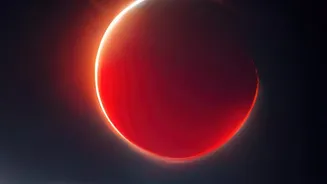
When the Harvest Moon hangs low near the horizon, it often takes on a stunning golden, orange, or even reddish hue. This isn't a feature of the moon itself, but an effect of Earth's atmosphere. This phenomenon, known as Rayleigh scattering, is the same reason our sun appears reddish at sunrise and sunset. When the moon is low in the sky, its light has to travel through more of our planet's atmosphere to reach our eyes. The atmosphere scatters shorter, blue wavelengths of light, allowing the longer, red and orange wavelengths to pass through more easily, giving the moon its warm, autumnal glow. You might also notice that the moon seems unusually large when it is near the horizon. This is a famous optical trick called the 'Moon Illusion', which makes our brains perceive the lunar disk as being bigger than it is when it's high in the sky.
Tips for the Best Viewing Experience
To make the most of the Harvest Moon, find a viewing spot with an unobstructed view of the eastern horizon. Heading away from bright city lights will always enhance the experience, allowing the moon's light to truly dominate the night sky. Give your eyes about 20 minutes to adjust to the darkness. For a sharper, more detailed view of the lunar surface, wait for the moon to climb higher into the sky, where the distorting effects of the atmosphere are reduced. While you don't need a telescope, a simple pair of binoculars can reveal stunning details like craters and ancient lava plains, known as maria. This year, you will also have a bonus celestial guest. The planet Saturn will be visible as a bright, star-like object near the moon after moonrise, appearing among the stars of the constellation Pisces.
Other Celestial Events in September
The Harvest Moon is the main event, but September 2026 is filled with other skywatching opportunities. Before the full moon, look for a beautiful alignment of the crescent moon with Mars in the pre-dawn sky on September 6 and 7. On September 8, the moon will meet up with Jupiter before sunrise. The period around the New Moon on September 11 offers the darkest skies, perfect for spotting fainter objects like the Milky Way galaxy. Venus will be exceptionally bright in the evening sky after sunset, reaching its peak luminosity for the year on September 18. Finally, on the night of the full moon itself, Neptune will be at opposition, meaning it is at its closest point to Earth for the year, though you will need a powerful telescope to spot the distant blue planet.