






The Allure of the 30-Second Transformation
Social media platforms like Instagram and TikTok are flooded with short, eye-catching fitness videos. [1] They promise quick results with minimal effort, featuring charismatic influencers with seemingly perfect bodies. [3] The appeal is obvious: these
reels offer a simple solution to the complex challenge of getting fit. They are designed to be entertaining and inspiring, often feeling more like a fun trend than a serious workout plan. [1] For a beginner, this can seem like an accessible entry point into fitness, but the reality is that a 60-second clip is not enough time to share a safe and effective workout. [1]
Red Flag #1: The ‘Perfect’ Physique and Unrealistic Ideals
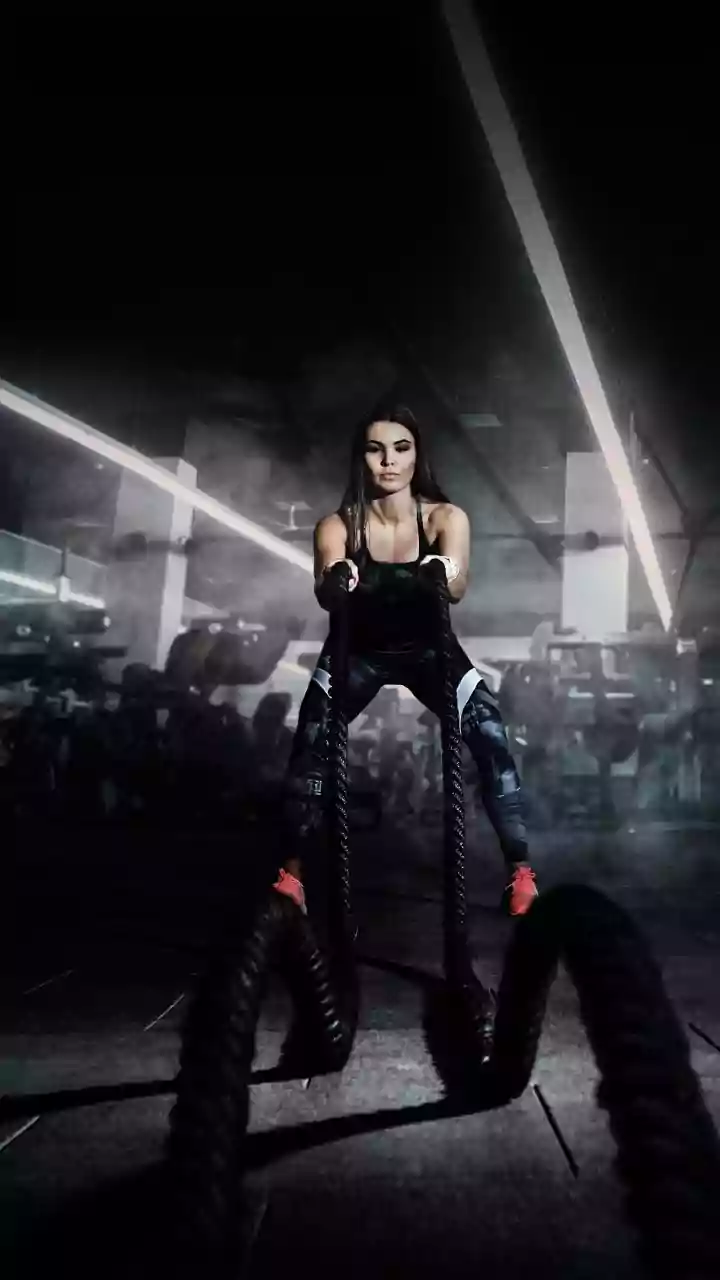
Many fitness reels showcase influencers with flawless, muscular physiques, creating an unattainable standard of perfection. [3] This constant exposure to idealized bodies can lead to feelings of inadequacy, negative body image, and even anxiety or depression. [3, 18] Research has shown that following health influencers is often associated with increased body dissatisfaction and depressive symptoms. [19] The pressure to conform to these unrealistic ideals, which are often enhanced by filters and strategic angles, can be overwhelming and detrimental to mental health. [3, 18]
Red Flag #2: The Promise of a Quick Fix
A common theme in misleading fitness reels is the promise of a “quick fix.” [5] You'll see titles like “Get Abs in Two Weeks” or workouts claiming to “torch belly fat” with one specific exercise. [12] This idea of spot reduction—losing fat from a specific area—is a persistent myth. [20] True, sustainable fitness results require time, discipline, and a holistic approach that includes a balanced diet and consistent, full-body exercise. [11] Reels that promise otherwise are often selling a fantasy that can lead to disappointment and cause you to give up when you don’t see immediate results. [4, 12]
Red Flag #3: Dangerous Form and No Credentials
Perhaps the biggest danger is the risk of injury. A significant percentage of fitness content on social media contains incorrect or harmful advice. One analysis found that 60% of health-related TikTok videos were misleading. [12] Many influencers lack formal qualifications in exercise science or personal training. [2, 5] Attempting complex movements without proper guidance on form can lead to serious injuries, from muscle strains to back problems. [7, 21] A qualified professional will explain the 'why' and 'how' behind an exercise, not just show a flashy move for views. [1] If you can't find an influencer's credentials, be cautious. [5]
How to Use Social Media for Fitness—Safely
Despite the pitfalls, social media can still be a source of motivation if used wisely. The first step is to curate your feed. Unfollow accounts that make you feel bad about yourself or promote quick fixes. [3] Instead, seek out and follow certified personal trainers, physical therapists, and registered dietitians who provide educational, science-backed content. [5, 9] These professionals often focus on foundational movements, proper form, and sustainable habits. [16] Look for creators who emphasize how exercise feels over how it makes you look and who encourage a balanced, realistic approach to health. [6]
Building a Truly Healthy Relationship with Fitness
True fitness is not about achieving a specific look seen in a reel. It's about building strength, improving your health, and feeling good in your own body. [6] A beginner's journey should start with mastering the basics: fundamental movements, consistent routines, and listening to your body's limits. [16, 21] Instead of comparing your progress to a stranger online, focus on your own small victories—like being consistent with your workouts for a week or lifting a slightly heavier weight. [16] Progress is not always linear or dramatic, but it is personal and should be celebrated. Remember, your fitness journey is unique to you. [7]