


Beyond the 'Magic Bullet' Food
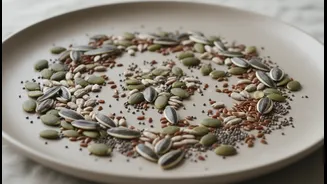
In the quest for a healthy heart, it’s tempting to search for a single magic bullet. We celebrate avocados, praise blueberries, and add flax seeds to everything, hoping these individual powerhouses will safeguard our health. While these foods are certainly
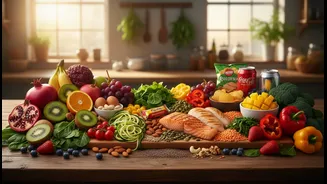
nutritious, experts increasingly warn that this narrow focus misses the forest for the trees. Research and dietary guidelines from organizations like the American Heart Association now emphasize that overall dietary patterns are far more important than any single food or nutrient. Think of it this way: eating a piece of grilled salmon is great, but its benefits can be diminished if it’s served with a side of heavily processed, salted fries and a sugary drink. The surrounding meal components matter just as much as the star ingredient.
The Power of a Balanced Pattern
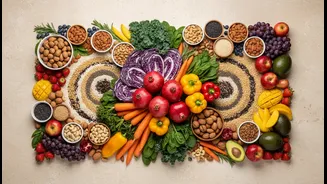
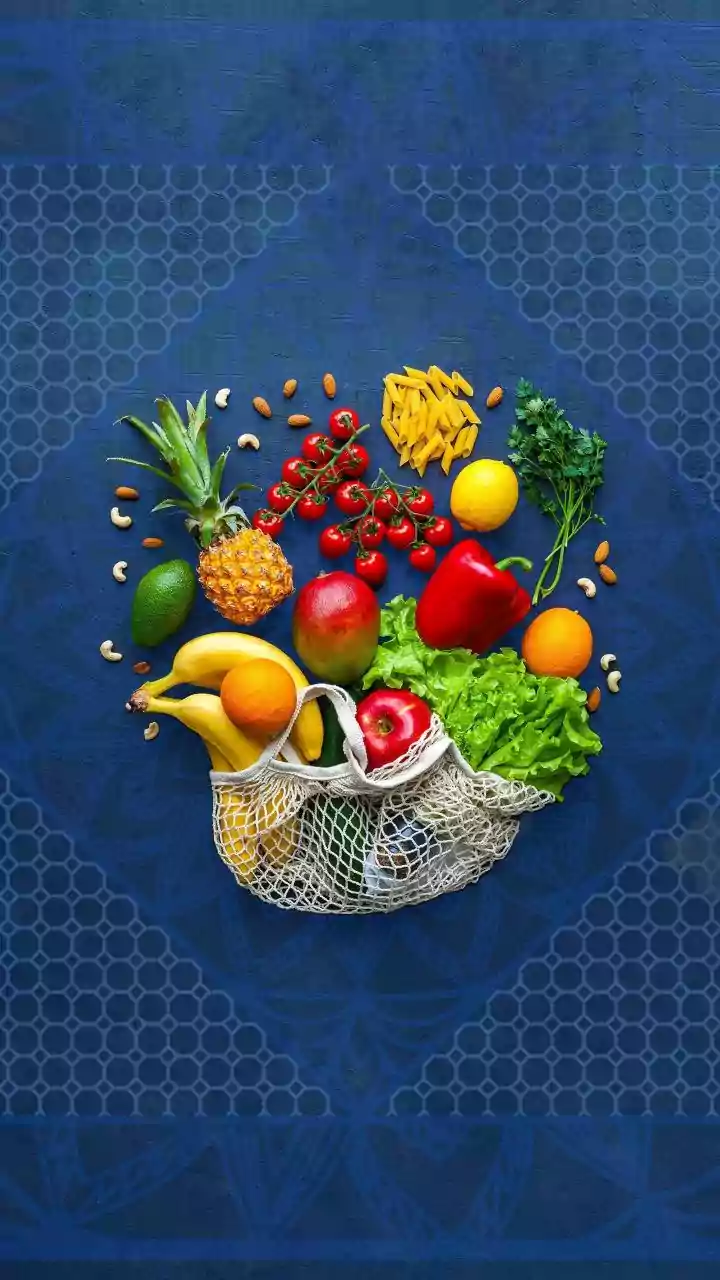
Evidence consistently shows that dietary patterns like the Mediterranean diet and the DASH (Dietary Approaches to Stop Hypertension) diet are highly effective in preventing cardiovascular disease. The strength of these diets doesn't come from one specific food, but from the combination and variety of what is regularly eaten: an abundance of fruits and vegetables, whole grains, legumes, nuts, and lean proteins. These patterns are naturally low in processed foods, added sugars, and unhealthy fats. Adopting such a pattern means moving away from simply adding a 'good' food to an otherwise 'bad' diet and instead building meals that are holistically healthy. The goal is to make minimally processed, whole foods the foundation of your eating habits.
How to Build a Heart-Healthy Plate
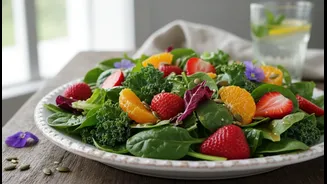
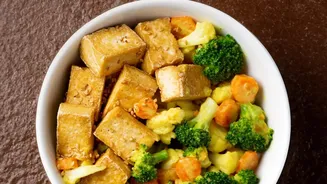
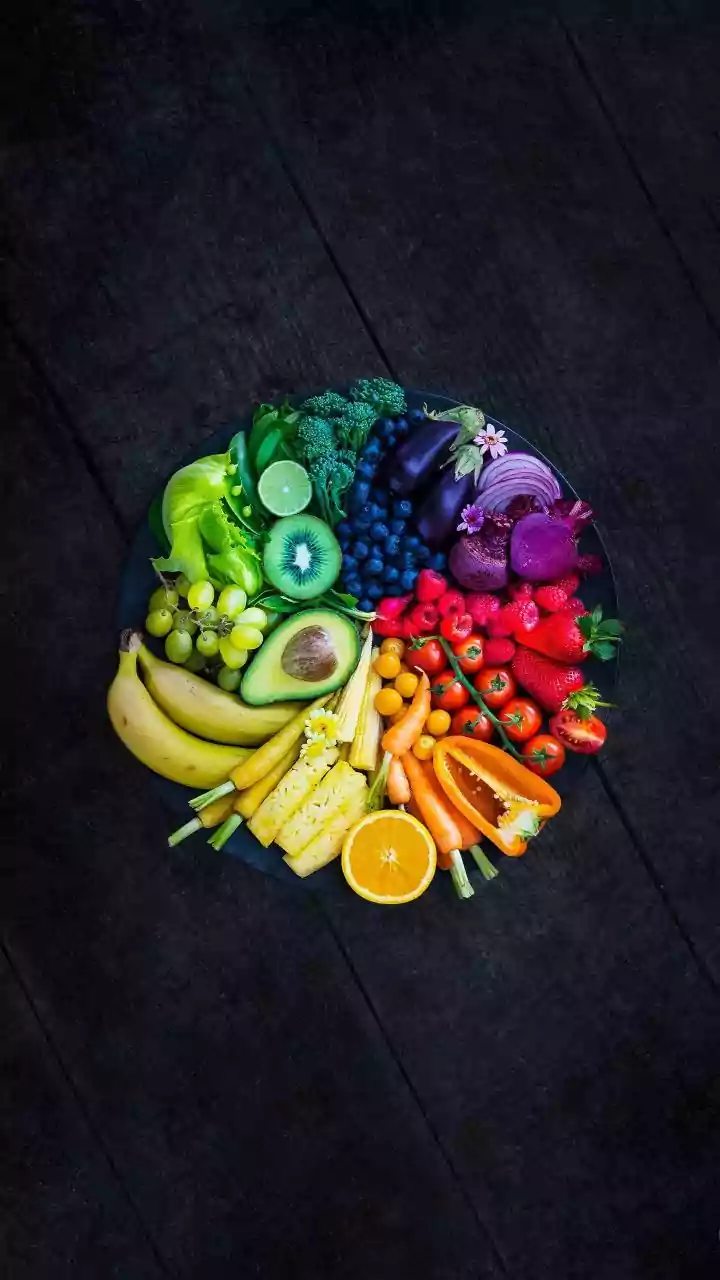
A practical way to apply this principle is the 'plate method.' Imagine your dinner plate divided into sections. For a heart-healthy meal, aim to fill half your plate with a colorful variety of vegetables and fruits. These provide essential vitamins, minerals, and antioxidants. One quarter of your plate should be dedicated to lean protein sources, such as fish, poultry, beans, or lentils. The final quarter should be filled with whole grains, like brown rice, quinoa, or whole-wheat pasta. Whole grains are crucial as they contain fibre that helps manage cholesterol levels and blood pressure. This simple visual guide ensures you're getting a balanced mix of macronutrients and fibre in proportions that support cardiovascular health.
Understanding Nutrient Synergy
Foods don't work in isolation; their nutrients often interact in beneficial ways, a concept known as nutrient synergy. For example, the healthy fats in olive oil can help your body absorb fat-soluble vitamins like K and E from leafy greens and colourful vegetables, which are important for cardiovascular health. Similarly, the vitamin C in fruits and vegetables can enhance the absorption of iron from plant-based sources. It’s this teamwork between nutrients, found in a balanced meal, that provides a greater health impact than consuming each nutrient on its own. Eating a varied diet full of whole foods ensures you benefit from these powerful combinations, something you can't get from a supplement or a single 'superfood.'
Watch Out for Ultra-Processed Foods
Perhaps the biggest threat to a heart-healthy meal is the inclusion of ultra-processed foods. These are industrial formulations with long ingredient lists, often high in added sugar, unhealthy fats, and sodium, while being low in fibre and essential nutrients. Common examples include packaged snacks, sugary cereals, processed meats, and ready-to-eat meals. Studies have shown a strong link between high consumption of these foods and an increased risk of heart disease, high blood pressure, and obesity. Even if a meal contains a healthy component, the presence of ultra-processed items can undermine its overall benefit. The simplest rule is often to choose foods with short ingredient lists or no list at all, like fresh produce.