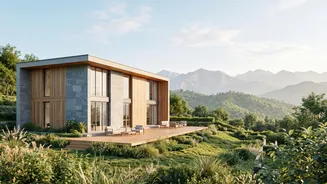



The New Himalayan Dream
The long-held dream of a mountain life, once reserved for writers, artists, or retirees, is now accessible to anyone with a laptop and a deadline. The post-pandemic shift to remote work has fuelled an exodus from congested cities to serene landscapes.
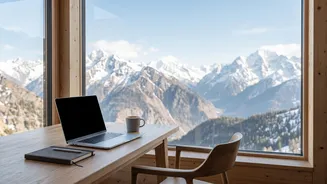
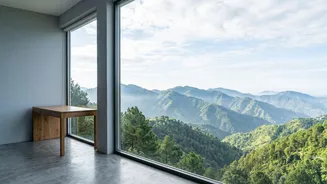
Uttarakhand, with its blend of accessibility and tranquil beauty, has become a prime destination. Hill stations like Landour and Almora are no longer just weekend getaways; they are transforming into vibrant hubs where productivity and peace coexist. The key catalyst for this change has been the arrival of reliable, high-speed fiber internet, turning quaint homestays and quiet corners into fully functional offices.
Landour: Colonial Charm Meets Digital Dexterity
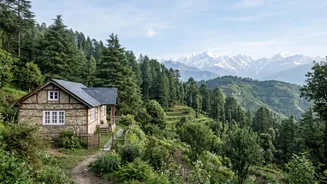
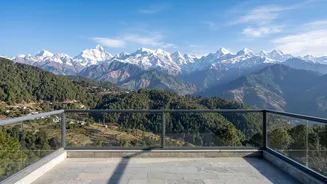
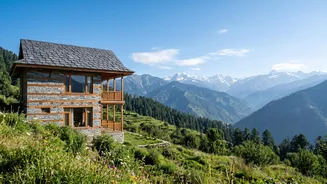
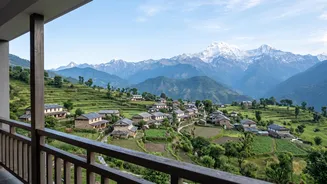
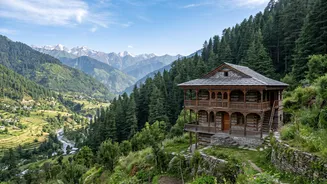
A sleepy cantonment town just above Mussoorie, Landour feels like a step back in time with its colonial-era churches, quiet winding roads, and connection to author Ruskin Bond. Yet, beneath this vintage charm lies a modern secret: robust digital infrastructure. Major providers now offer fibre broadband services throughout the area, ensuring that video calls and large file transfers happen without a hitch. This connectivity has given rise to a unique ecosystem. It’s not about flashy co-working buildings, but rather a network of charming guesthouses, boutique hotels, and homestays that offer dedicated workspaces, power backup, and, most importantly, blazing-fast Wi-Fi. Professionals can spend their days working with views of the snow-capped peaks and their evenings exploring the town's cosy cafes.
Almora: Culture, Community, and Connectivity
Further into the Kumaon region, Almora offers a different flavour. Known for its rich cultural heritage, vibrant markets, and panoramic views of the Himalayas, it provides a more immersive local experience. While once considered a quieter, less-connected town, Almora and its surrounding areas like Kasar Devi are now firmly on the workation map. An increasing number of homestays and guesthouses are catering specifically to long-stay remote workers, advertising high-speed internet and comfortable work setups as key amenities. These spaces often foster a strong sense of community, where guests share meals, ideas, and weekend treks, blending the lines between a professional network and a travel group.
Beyond the Wi-Fi Signal
The appeal of these mountain hubs goes far beyond a stable internet connection. It’s about a fundamental lifestyle shift. The ‘co-living’ aspect is often informal but powerful. It’s found in the shared dining tables of a homestay, the impromptu collaborations at a local cafe, or the weekend hiking groups formed by residents. This environment offers a remedy to the isolation often associated with remote work. It combines the independence of being a digital nomad with the support of a community. The daily routine is punctuated not by traffic jams, but by crisp morning walks, fresh, locally sourced meals, and the profound silence of the mountains, which many find boosts focus and creativity.
Making the Himalayan Office a Reality
For those tempted by the prospect, the barrier to entry is lower than ever. A range of options exists, from budget-friendly homestays to premium private cottages, with monthly costs that can be significantly lower than renting in a metro city. Companies specializing in 'work from mountains' packages offer curated stays with guaranteed internet uptime, power backups, and community events. However, it's wise to do your research. While fibre optic cables are widespread, it's always best to confirm the internet situation and power backup facilities with your chosen stay before booking. Planning around the seasons is also crucial, as monsoons can sometimes pose connectivity challenges, while winters offer clear skies and a cosy, focused environment.