





Reclaim Your Weeknights
The most compelling reason young professionals are turning to batch cooking is the gift of time. Instead of spending an hour each evening chopping, sautéing, and cleaning, you invest a few hours on a Sunday to prepare meals for the week. Imagine coming
home after a gruelling day at work to a delicious, home-cooked meal that just needs a quick reheat. This isn't a fantasy; it's the reality for a growing number of millennials and Gen Z who value their time. By front-loading the effort, you free up your weekday evenings for other pursuits, whether it's hitting the gym, catching up on a series, or simply relaxing without the pressure of a messy kitchen.
Your Wallet Will Thank You
Eating out and ordering in can drain your finances faster than you realise. A daily Swiggy or Zomato habit adds up. Batch cooking is an incredibly effective way to manage your food budget. By planning meals in advance, you buy groceries with a purpose, reducing impulsive purchases and food waste. Cooking in bulk is almost always cheaper per portion than cooking single meals daily. That midweek biryani or dal makhani tastes even better when you know it costs a fraction of the restaurant price. For young people juggling rent, EMIs, and social expenses, this financial benefit is a major motivator to get into the kitchen.
Take Control of Your Health
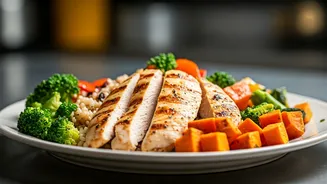
When you're tired and hungry, it's easy to reach for processed snacks or order greasy takeaway. Batch cooking puts you in the driver's seat of your nutrition. You control every ingredient—the amount of oil, salt, and sugar—ensuring your meals are as healthy as you want them to be. It's a simple way to incorporate more vegetables and lean proteins into your diet. Having pre-portioned, healthy meals ready to go in the fridge eliminates the decision fatigue that often leads to poor food choices. This proactive approach to eating well supports fitness goals, boosts energy levels, and contributes to overall well-being.
How to Start: The Plan of Attack
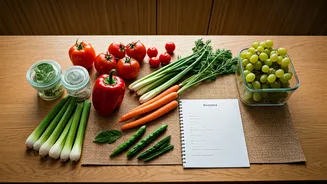
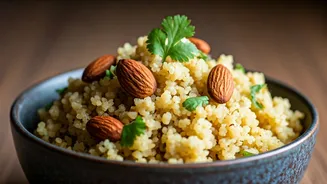
Getting started with batch cooking doesn't have to be intimidating. Begin small. Don't try to cook seven different dishes your first time. Instead, pick two or three recipes you're comfortable with. A simple dal, a versatile sabzi, and a batch of cooked rice or quinoa is a perfect starting point. Write a shopping list based on your chosen recipes and stick to it. Dedicate a specific time slot, like Sunday afternoon, and put on some music or a podcast. The key is to create a routine that feels manageable, not like another chore. As you get more confident, you can expand your repertoire.
The Magic of the 'Mother Gravy'
One of the best batch-cooking hacks for Indian cuisine is preparing a large batch of a basic 'mother gravy'. This is typically a blend of sautéed onions, tomatoes, ginger, and garlic, which forms the base for countless curries. You can cook a big pot of this, let it cool, and then freeze it in portion-sized containers. During the week, all you need to do is thaw a portion, add your protein (like paneer or chicken) or vegetables, toss in your specific spices (like garam masala for a rich curry or pav bhaji masala for a different flavour), and your meal is ready in under 15 minutes. This single technique can cut your daily cooking time by more than half.
Smart Storage is Non-Negotiable
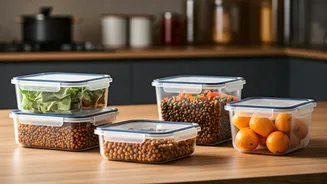
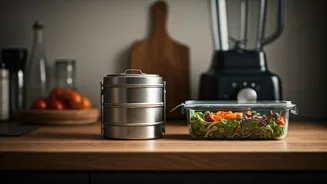
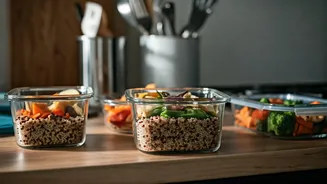
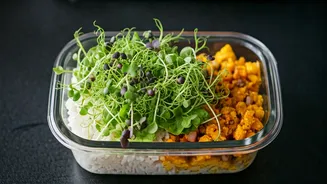
Your batch cooking efforts are only as good as your storage solutions. Invest in a good set of airtight, microwave-safe, and freezer-safe containers. Glass containers are an excellent, durable option. Label everything with the name of the dish and the date it was cooked. This prevents you from playing 'mystery meal' roulette and helps you use up older food first. For things like dals and gravies, consider freezing them flat in zip-lock bags to save freezer space. For pre-chopped veggies, storing them in containers with a paper towel can help absorb excess moisture and keep them fresh longer. Proper storage ensures your food stays fresh, safe, and delicious all week long.