





The End of the Language Barrier
For decades, language was the biggest hurdle preventing regional films from travelling. Unless you lived in a major metro with niche cinemas, accessing a movie from another state was difficult. Streaming platforms systematically dismantled this barrier.
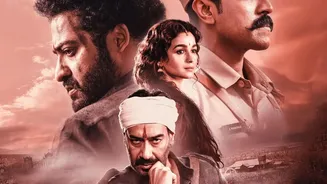
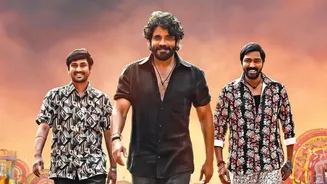
By investing heavily in high-quality subtitles and multi-language dubbing, services like Netflix, Amazon Prime Video, and Disney+ Hotstar made it possible for a viewer in Punjab to seamlessly enjoy a Telugu blockbuster, or a family in West Bengal to connect with a Marathi gem. This accessibility has been the single most important factor, turning the 'one-inch barrier of subtitles' into a gateway for cross-cultural discovery. Suddenly, powerful storytelling, not language, became the main draw.
A New, Democratic Distribution Model
Traditional film distribution is an expensive, high-risk game. Producers had to spend crores on prints, advertising, and securing screens, with no guarantee of returns. This model often favoured big-budget spectacles and star vehicles, leaving little room for smaller, experimental films. Streaming platforms offered a revolutionary alternative. By acquiring films for a direct digital release, they provide producers with an assured upfront revenue, de-risking the project entirely. This has been a lifeline for independent and mid-budget cinema, which might have struggled to find theatrical viability. Films can now find their audience without the crushing pressure of opening weekend box office numbers, giving unique stories a chance to thrive.
Authenticity Over Formula
The pressure to create a 'pan-Indian' film often meant stripping away cultural specifics in favour of a generic, one-size-fits-all formula. Streaming platforms, with their data-driven understanding of audience tastes, have flipped this logic. They have found that authenticity sells. Viewers, exposed to global content, are increasingly drawn to rooted, culturally specific stories. A film like 'Kantara', deeply embedded in the folklore of coastal Karnataka, became a national phenomenon precisely because of its unique flavour, not in spite of it. This has empowered regional filmmakers to tell their stories without compromise, knowing that a national audience is now receptive to narratives that are sincere and specific.
Redefining Stardom and Success
The definition of a 'star' in India is also changing. Previously, stardom was measured almost exclusively by box office collections and mainstream Hindi media presence. Today, actors from regional industries are becoming household names across the country thanks to their work being showcased on OTT platforms. Performers from Malayalam, Tamil, and Telugu cinema are now recognised and celebrated by audiences who may not have seen any of their theatrical releases. This shift proves that compelling performances resonate regardless of language. Success is no longer just about a film's theatrical run; it's also about its longevity and impact on streaming, where it can be discovered by new audiences for months and years to come.
From Regional Gems to National Conversations
The results of this shift are clear. Films like the Malayalam superhero movie 'Minnal Murali', the hard-hitting Tamil legal drama 'Jai Bhim', and the poignant 'The Great Indian Kitchen' transcended their regional origins to spark national conversations. These were not massive-budget spectacles, but strong, story-driven films that found their audience on streaming platforms. Their success created a ripple effect, encouraging more filmmakers to focus on powerful narratives and proving that a great story, told with conviction, is the most powerful pan-Indian formula there is. The streaming boom, accelerated by the pandemic, has truly democratised the Indian film landscape.