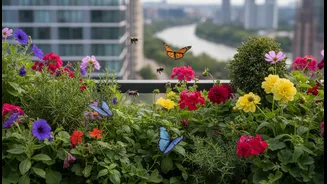






Find a Sunny Spot
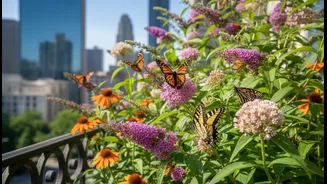
The first step in creating your miniature butterfly haven is to identify the right location. Butterflies are cold-blooded and rely on the sun's warmth to fly and stay active. Similarly, most nectar-rich flowering plants need ample sunlight to produce
the blooms that butterflies feed on. Look for a spot on your balcony or patio that receives at least five to six hours of direct sunlight each day. This will create the perfect environment for both your plants to thrive and for butterflies to bask and feed.
Choose Your Containers
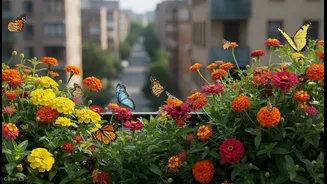
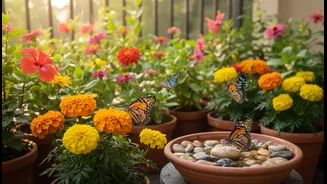
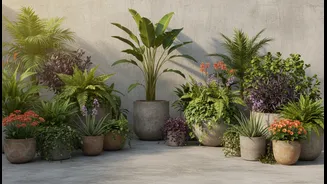
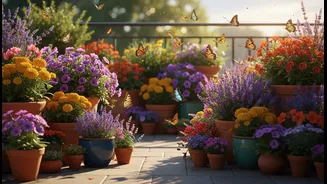
When space is limited, your choice of containers is key. You don’t need fancy or expensive pots. Window boxes, railing planters, hanging baskets, and various sizes of pots can all be used to create a layered, interesting garden. Ensure every container has drainage holes to prevent waterlogging, which can harm plant roots. Larger pots are often better as they hold more soil and moisture, meaning less frequent watering on hot days. Grouping several pots together not only looks lush but also helps create a microclimate that offers shelter for butterflies from wind and rain.
Plant Nectar-Rich Flowers
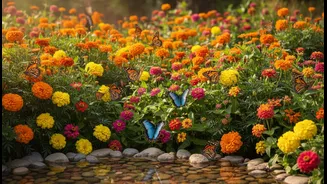
Nectar is the fuel that adult butterflies need to survive. Planting a variety of nectar-producing flowers will attract a wide range of species. Choose plants that bloom at different times to provide a consistent food source. For Indian climates, several hardy, container-friendly options are butterfly magnets. Lantana, with its colourful clusters, is low-maintenance and blooms for long periods. Pentas, Ixora, Marigold, and Zinnia are also excellent choices, producing bright, nectar-filled flowers that are irresistible to butterflies like the Common Mormon, Plain Tiger, and various Pansies.
Don't Forget the Host Plants
While nectar plants feed the adults, host plants are where butterflies lay their eggs and where the entire life cycle begins. Without host plants, butterflies have no place to reproduce, making them a critical part of any true butterfly garden. Many host plants can be easily grown in containers. For example, a curry leaf (Kadi Patta) plant will attract the Common Mormon. A citrus plant like lemon can host the stunning Lime Butterfly. And planting milkweed (Asclepias) provides the sole food source for the caterpillars of the beautiful Monarch and Plain Tiger butterflies. Watching caterpillars munch on leaves and form a chrysalis is one of the most rewarding parts of butterfly gardening.
Add Water and Resting Spots
Butterflies need more than just food; they also need water and minerals. You can provide this by creating a “puddler.” Fill a shallow dish or a terracotta saucer with sand, place a few small stones or pebbles on top for perching, and keep the sand moist. Butterflies will land on the stones and sip the mineral-rich water from the damp sand. This simple addition can make your balcony a popular spot, especially for male butterflies who gather nutrients this way. Adding a few flat stones in a sunny spot also gives them a place to rest and warm their wings.
Maintain a Safe Haven
To truly welcome butterflies, your garden must be a safe space. The most important rule is to avoid all chemical pesticides and insecticides. These products are toxic to butterflies and, more specifically, will kill the caterpillars you want to nurture on your host plants. Embrace a little bit of imperfection—a few munched leaves are a sign of a healthy, functioning ecosystem. Deadhead spent flowers regularly to encourage new blooms and keep your nectar bar open all season long. With a little care, your small-space garden will become a lively and beautiful hub of activity.