







The New Fourth Meal
The traditional rhythm of three meals a day is being rewritten by a generation that operates on a different clock. For many young Indians, especially in urban centres, the hours between 11 p.m. and 3 a.m. are no longer just for sleep; they are for studying,
gaming, streaming shows, or working. This has given rise to what some are calling the 'fourth meal'. Over the past year, late-night food delivery volumes have reportedly doubled, reflecting a significant lifestyle change among younger consumers who are eating and sleeping later than previous generations. Food delivery platforms like Swiggy and Zomato have not only enabled this trend but have become integral to it, transforming a once-quiet part of the night into a bustling period for on-demand services.
What's Driving the Craze?
Several factors are fuelling this nocturnal appetite. The primary driver is a fundamental shift in schedules. The rise of flexible work hours, the gig economy, and global-facing industries means more people are awake and active at unconventional times. Add to this the culture of binge-watching series and communal online gaming, which often stretch deep into the night. Major sporting events broadcast from different time zones, like the recent FIFA World Cup, also create massive spikes in late-night orders. Delivery platforms themselves are actively encouraging this behaviour by creating dedicated 'late-night cravings' sections and extending service hours, with some major chains like McDonald's and Domino's now delivering until 3 a.m. in many cities.
The Midnight Menu
So, what are young Indians ordering in the middle of the night? Comfort food reigns supreme. According to data from Swiggy, pizzas and burgers are the most popular choices for orders placed between 11 p.m. and 3 a.m.. These are closely followed by classics like biryani, rolls, and momos. Desserts are also experiencing a massive late-night boom, with items like brownies and ice cream becoming go-to indulgences. This isn't just a big-city phenomenon; while metros like Bengaluru, Hyderabad, and Mumbai lead in order volumes, tier-2 and tier-3 cities such as Surat, Thiruvananthapuram, and Patna are showing robust growth in late-night ordering.
More Than Just Hunger
Ordering food late at night is about more than just satisfying hunger; it has become a social and cultural ritual. For students pulling an all-nighter or young professionals working late, it’s a shared reward and a moment of relief. For friends hanging out, it’s a spontaneous, easy way to keep the gathering going without having to cook. The act of ordering, sharing, and even posting food on social media has become a form of entertainment and social currency. It's an accessible indulgence, a way to celebrate a small win, or simply a method of self-care after a long day. This convenience culture, facilitated by digital platforms, is reshaping not just eating habits but also how young people connect and socialise.
The 24/7 Ecosystem
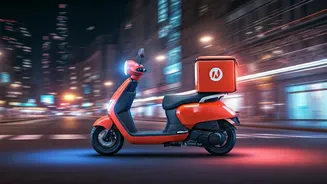
This thriving midnight economy is supported by a complex ecosystem. It depends on cloud kitchens and restaurants willing to operate through the night, and crucially, on the thousands of delivery partners who navigate deserted streets to make it all happen. While the demand offers new revenue streams for businesses, it also brings logistical challenges, including rider availability and ensuring safety during odd hours. The growth of quick-commerce platforms like Blinkit and Zepto, which facilitate the delivery of packaged snacks and drinks 24/7, further highlights the move towards an on-demand, round-the-clock service culture. As this trend solidifies, it is poised to become a permanent feature of India's urban landscape.