







The One-Pan Philosophy
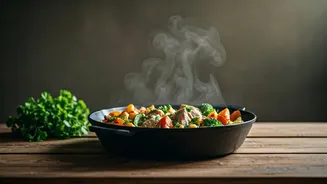
Imagine a lunch that requires just one piece of cookware—be it a sheet pan, a skillet, or a kadai—and results in a complete, nourishing meal. That’s the magic of one-pan cooking. It’s not about a single recipe, but a flexible approach designed to save
you time and effort. By cooking your protein, vegetables, and sometimes even your carbs together, you allow their flavours to meld beautifully, creating a dish that’s far more complex and delicious than the minimal effort suggests. The best part? Cleanup is as simple as washing that single pan. This method is perfect for busy work-from-home days, quick family meals, or anyone who wants to eat well without spending hours in the kitchen.
Master the Formula
The secret to 'endless flavor' isn't memorising dozens of recipes; it’s understanding the basic formula. Think of it as a template you can customise with whatever you have on hand. A great one-pan meal typically includes: 1. **Protein:** Cubed paneer, chicken tikka pieces, chickpeas, prawns, tofu, or even a simple fried egg. 2. **Vegetables:** Hearty veggies like potatoes, cauliflower, and carrots go in first. Quicker-cooking ones like bell peppers, onions, broccoli, and tomatoes can be added later. 3. **Fat & Flavour:** A good drizzle of oil (mustard, sesame, or olive) or ghee is your starting point. Then, build flavour with a spice mix (like garam masala, pav bhaji masala, or a curry powder), or a simple paste of ginger, garlic, and green chillies. 4. **A Finishing Touch:** A squeeze of lemon or lime juice, a sprinkle of fresh coriander or mint, or a dollop of yogurt can elevate the entire dish right before serving.
Template 1: Tandoori Magic
This template brings the smoky, robust flavours of the tandoor to your pan. Start by marinating your protein (paneer or boneless chicken work wonderfully) in a mix of yogurt, tandoori masala, ginger-garlic paste, lemon juice, and a pinch of salt. On a sheet pan, toss diced onions and colourful bell peppers with a little oil and salt. Add your marinated protein to the pan, ensuring nothing is too crowded. Roast in a hot oven (around 200°C) for 20-25 minutes, or until the protein is cooked through and the vegetables are tender with slightly charred edges. Serve hot with a side of mint chutney and a simple kachumber salad for a truly satisfying lunch.
Template 2: Lemony Herb Delight
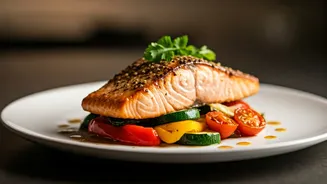
For a lighter, brighter meal, this Mediterranean-inspired template is perfect. It works beautifully with delicate proteins like fish fillets, prawns, or tofu. In a skillet, heat some olive oil and sauté minced garlic and sliced onions until fragrant. Add sturdy vegetables like halved baby potatoes or sliced zucchini and cook for a few minutes. Pat your fish or tofu dry, season with salt, pepper, and dried herbs like oregano. Place it in the pan alongside the vegetables. Add a handful of cherry tomatoes and a generous squeeze of lemon juice. Cover and cook until the protein is flaky or firm and the vegetables are tender. Finish with a sprinkle of fresh parsley or coriander for a burst of freshness.
Template 3: Indo-Chinese Express
Craving the punchy flavours of Indo-Chinese food? You can make a quick stir-fry in a single kadai or wok. Start by heating sesame oil over high heat. Add your protein, like small prawns or sliced mushrooms, and stir-fry until just cooked. Remove and set aside. In the same pan, add a bit more oil and toss in your vegetables—think sliced carrots, baby corn, bell peppers, and spring onions. Stir-fry for a couple of minutes until crisp-tender. In a small bowl, mix soy sauce, a touch of vinegar, a pinch of sugar, and some chilli garlic sauce. Return the protein to the pan, pour over the sauce, and toss everything together until well-coated. It’s faster than ordering takeout!
Tips for One-Pan Success
To ensure your one-pan meals turn out perfectly every time, keep these simple tips in mind. First, don't overcrowd the pan. Giving your ingredients space allows them to roast or sear rather than steam, leading to better texture and flavour. Second, cut ingredients to the right size. Dense vegetables like potatoes should be cut smaller than quick-cooking ones like bell peppers to ensure everything finishes cooking at the same time. Finally, don't be afraid of high heat. A hot oven or skillet is key to getting that delicious browning, known as the Maillard reaction, which is a major source of flavour.