


A Paradise of Petals
Nestled in the Chamoli district of Uttarakhand, the Valley of Flowers National Park is a place of legend and extraordinary natural beauty. According to Hindu mythology, this is the region from which Hanuman collected the life-saving Sanjeevani herb. Today,
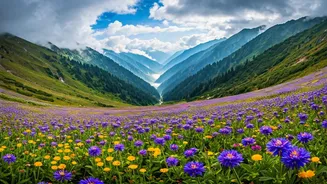
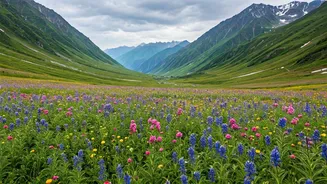
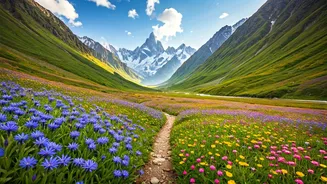
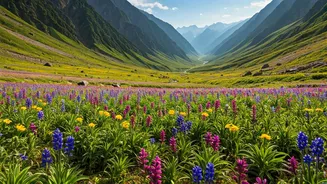
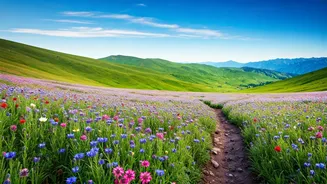
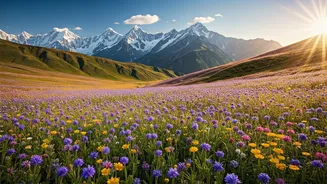
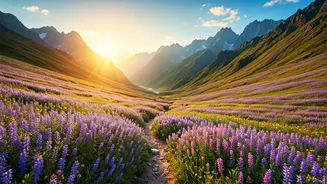
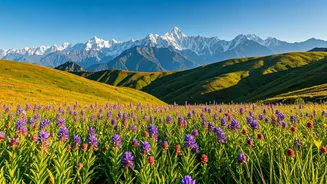
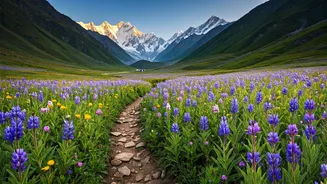
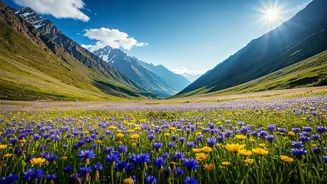
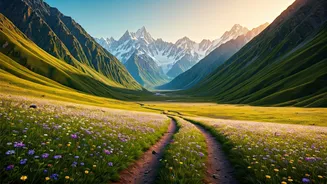
it is revered by botanists, trekkers, and spiritual seekers alike. For a few short months each year, its meadows burst into life with over 500 species of alpine flowers, including the elusive blue poppy, cobra lily, and brahmakamal. The valley, set against the majestic backdrop of snow-capped peaks, transforms into a vibrant tapestry of blue, pink, yellow, and red, creating a spectacle that feels truly otherworldly.
The Crucial Window of Opportunity
The Valley of Flowers is not a year-round destination. Buried under heavy snow for most of the year, it opens to the public on June 1st and typically closes in the last week of October. While the entire season offers stunning landscapes, the peak bloom occurs from mid-July to mid-August. This is when the monsoon rains have nourished the soil, resulting in the most dense and diverse floral display. Visiting during this six-to-eight-week window is key to experiencing the valley in its full glory. Planning your trip around these dates is the most important step in your entire journey.
Planning Your Journey
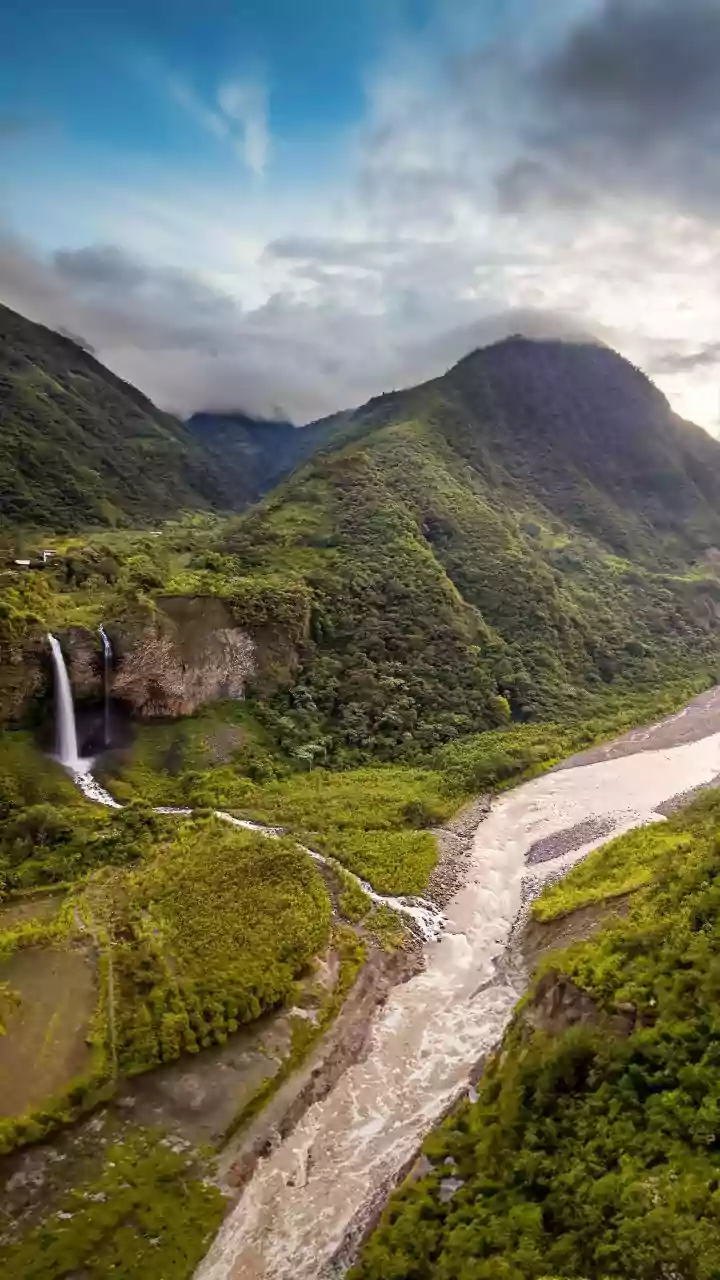
The journey to the Valley of Flowers is a pilgrimage in itself. The nearest major town is Joshimath, which can be reached by road from Haridwar or Rishikesh (an 8-10 hour drive). From Joshimath, you drive another hour to Pulna, which is the starting point of the trek. The first leg of the trek is a 9-kilometre walk to Ghangaria, a small settlement that serves as the base camp for both the Valley of Flowers and Hemkund Sahib. The trail is well-paved but steep in sections, running alongside the gushing Pushpawati River. Ponies and porters are available for hire at Pulna if you need assistance with your luggage.
The Trek Into The Valley
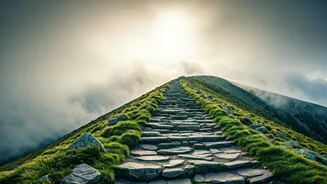
From the base camp at Ghangaria, the entrance to the Valley of Flowers is a 3-kilometre trek. You'll need to purchase an entry permit from the forest department checkpoint at the start of the trail. The path is relatively gentle, making it an accessible trek for most people with a basic level of fitness. Once you enter the valley, the narrow trail opens up into vast, undulating meadows. There is no commercial activity or accommodation inside the park; you must trek in and out on the same day. This helps preserve its pristine ecosystem. You are free to explore the 10-kilometre-long, 2-kilometre-wide valley, but visitors are required to start their return trek by early afternoon to reach Ghangaria before dark.
Consider a Spiritual Side-Trip
Most visitors staying in Ghangaria dedicate a separate day to visit Hemkund Sahib. This revered Sikh Gurudwara is situated at a breathtaking altitude of over 15,000 feet, beside a glacial lake. The 6-kilometre trek from Ghangaria to Hemkund Sahib is significantly steeper and more challenging than the one to the Valley of Flowers, but the spiritual atmosphere and panoramic views are a profound reward. The sight of the Gurudwara against the backdrop of seven mountain peaks is unforgettable. Combining these two treks makes for a complete and deeply fulfilling mountain experience.
What You Must Pack
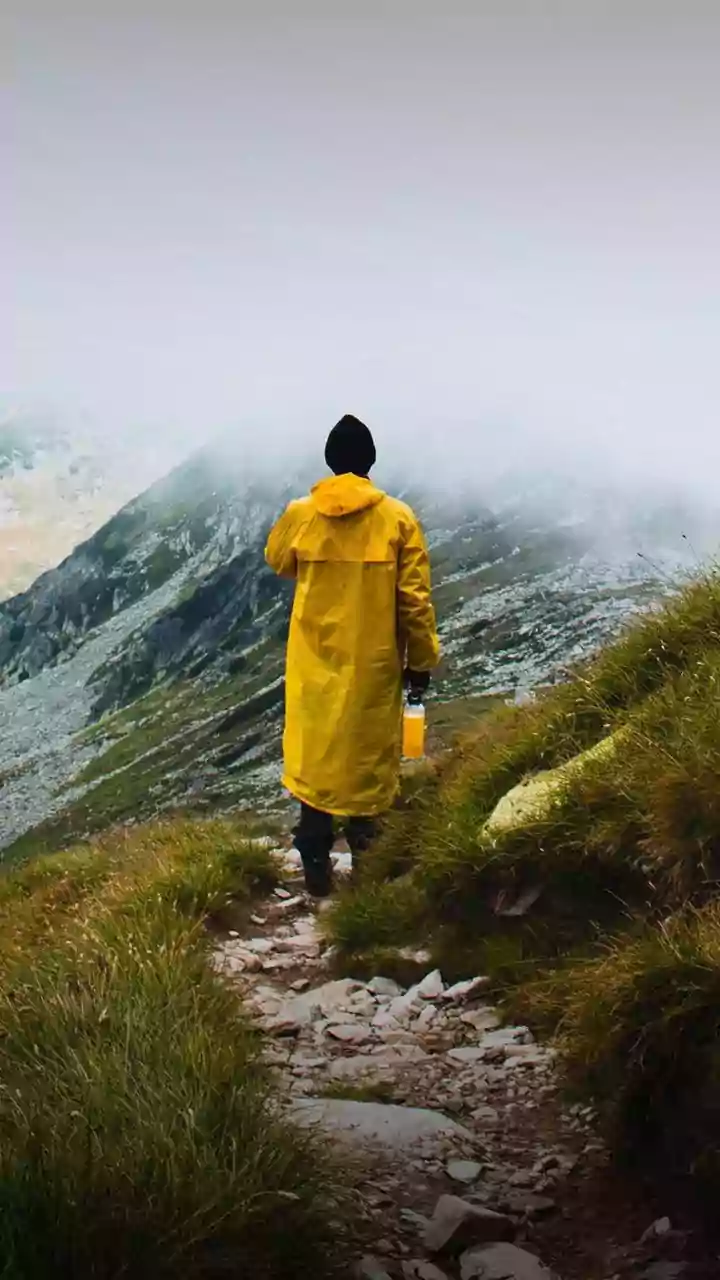
Packing correctly is essential for a safe and comfortable trip. The weather in the Himalayas is unpredictable, especially during monsoon. Your backpack should include sturdy, waterproof trekking shoes with good grip, a reliable raincoat or poncho (an absolute must!), and several layers of clothing that you can add or remove as the temperature changes. Also pack a sun hat, sunglasses, sunscreen, a basic first-aid kit with medication for altitude sickness, a reusable water bottle, high-energy snacks like nuts and chocolate, a power bank, and enough cash, as ATMs are scarce beyond Joshimath.