






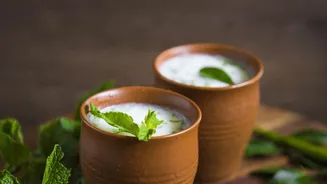
An Ancient Brew in a Modern Cup
Long before kombucha became a global sensation, households in North India had their own prized probiotic secret: Kanji. Traditionally made during the winter and spring months, especially around Holi, this beverage is a testament to the age-old wisdom
of fermentation. The classic recipe involves fermenting black carrots (kali gajar) in water with salt and coarsely ground mustard seeds. The mixture is left in a ceramic or glass jar, often in the sun, for several days. During this time, a natural fermentation process transforms the liquid into a tangy, savoury, and slightly pungent drink with a distinctive deep purple hue. While black carrots are traditional, versions using red carrots, beetroot, or even turnips are also common, each offering a unique flavour profile.
The Science of a Healthy Gut
The magic of Kanji lies in its fermentation process, which creates a thriving ecosystem of beneficial bacteria. These probiotics, primarily lactic acid bacteria like Lactobacillus, are crucial for maintaining a healthy gut microbiome. A balanced gut is the cornerstone of good health, influencing everything from digestion to immunity. In fact, a significant portion of the body's immune cells reside in the gut. Drinking Kanji regularly can help populate your digestive system with these friendly microbes, which can aid in better nutrient absorption, reduce bloating, and prevent common issues like constipation. Beyond probiotics, the fermentation process also produces postbiotics—beneficial compounds like short-chain fatty acids (SCFAs) that help fuel the cells lining your gut wall and reduce inflammation.
More Than Just a Gut Feeling
While gut health is the primary benefit, the advantages of Kanji don't stop there. The main ingredient, black carrots, are rich in anthocyanins, powerful antioxidants that fight free radicals in the body. These antioxidants, along with vitamins A and C, contribute to a stronger immune system and can even promote clearer, healthier skin by helping the body detoxify. Some studies suggest the compounds in Kanji can also support cardiovascular health by helping to lower cholesterol and improve blood circulation. As a low-calorie, naturally sugar-free beverage, it’s an excellent, flavourful alternative to sugary sodas and juices, making it a smart choice for weight management.
The Revival of Traditional Wellness
So, why is this rustic, homemade drink suddenly appearing on cafe menus? The trend reflects a broader shift in urban India towards wellness and a renewed appreciation for traditional, local food systems. Consumers are increasingly looking for natural, clean, and functional foods. Kanji, with its simple, preservative-free ingredients and proven health benefits, fits this demand perfectly. It offers a desi alternative to international health trends like kombucha, with a flavour profile that is uniquely Indian. Cafes are tapping into this by offering a convenient way for people to incorporate this healthy tradition into their busy modern lives. One Delhi-based bistro, for example, has even created a 'Jamun Kanji Kombucha', blending the traditional with the contemporary.