

A Deeper, Richer Flavor
The primary driver behind this shift is the pursuit of more intense and complex flavor. Unlike dry, powdered spices, which can lose their potency over time, stone-ground pastes deliver a powerful aromatic punch. The traditional method of grinding spices slowly
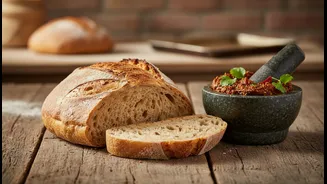
between two stones generates very little heat. This gentle process preserves the volatile essential oils that are the very essence of a spice's flavor and fragrance. When these oils are kept intact, the resulting paste provides a depth and nuance that commercially ground powders often lack. Bakers are finding that integrating a turmeric or cardamom paste into a sourdough starter or a croissant dough results in a flavor that is not just sprinkled on top but is woven into the very fabric of the bread, creating a more holistic and satisfying taste experience.
Beyond Powder: The Power of the Paste
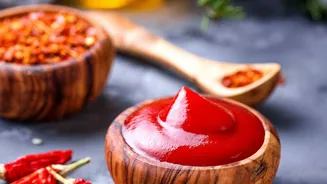
Spice pastes are fundamentally different from their dry counterparts. Traditionally used in cuisines from India to Thailand, a paste is made by blending fresh or whole dried spices, often with oil or water. This process creates a medium that melds seamlessly into doughs and batters. While dry spices are great for providing a uniform flavour in certain bakes, pastes offer a more rustic, integrated character. The moisture in the paste can also subtly alter the texture and crumb of the final product, often leading to a denser, more flavourful loaf. Furthermore, the coarser, more varied particle size in stone-ground products means flavors are released at different stages—some immediately upon tasting, and others slowly, creating a more layered and memorable bite.
The Allure of Ancient Methods
The artisanal food movement has always been about honouring traditional techniques and wholesome ingredients. The adoption of stone-ground spice pastes is a natural extension of this philosophy. For centuries, cultures around the world used stone grinders, mortars, and pestles to prepare their spices, understanding that this slow method yielded superior results. Today's urban bakers are tapping into that history. It connects their modern creations to a lineage of craftsmanship. This practice resonates with consumers who are increasingly educated about food production and seek products with a story. Using stone-ground flour and spices signals a commitment to quality and a rejection of industrial shortcuts, which is a powerful selling point.
A Nod to Global Kitchens
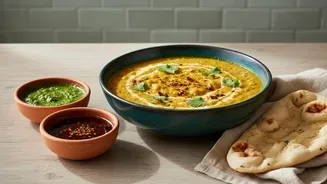
This trend also reflects a growing appetite for global flavors. As palates become more adventurous, bakers are looking for inspiration beyond traditional European recipes. Spice pastes are a cornerstone of many international cuisines, from Indian masalas to North African harissa and Thai curry pastes. By incorporating these vibrant flavor bases—think a sourdough loaf infused with gochujang or a focaccia swirled with za'atar paste—bakeries are creating exciting fusion products. These offerings appeal to a diverse customer base eager to experience familiar comfort foods in a new and exciting way, transforming a simple loaf of bread into a culinary journey.
Health in Every Bite
Finally, there is a significant wellness component. The high heat of industrial machine grinding can degrade the nutritional compounds in spices. The low-temperature stone-grinding process helps preserve heat-sensitive nutrients and antioxidants, such as the anti-inflammatory curcumin in turmeric. For health-conscious consumers, a bread that not only tastes good but also offers the functional benefits of its ingredients is incredibly appealing. This 'health halo' makes baked goods feel more virtuous and nourishing. By using stone-ground pastes, bakers are aligning their products with the broader trend toward food that is both delicious and beneficial for well-being.