





What Is Wood Ash and Why Use It?
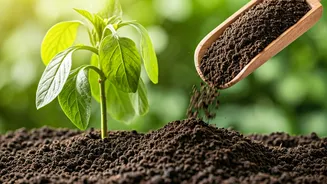
Wood ash is the powdery residue left after burning untreated wood. For centuries, gardeners have recycled it back into the soil, and for good reason. It’s a rich source of potassium (potash), which is vital for flower and fruit development, overall plant
vigour, and disease resistance. It also contains calcium, which strengthens plant cell walls, and smaller amounts of other essential micronutrients like magnesium and phosphorus. Beyond its nutritional benefits, wood ash acts as a physical deterrent for certain pests. Soft-bodied creatures like slugs and snails dislike crawling over the sharp, abrasive particles. When applied correctly, wood ash can serve a dual purpose: a slow-release fertiliser and a protective barrier, making it an attractive, sustainable option for organic gardeners.
A Crucial Warning: The pH Factor
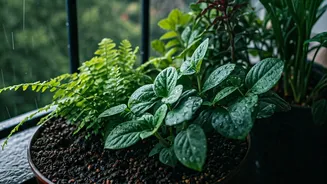
Before you sprinkle ash on every pot, there is one critical factor to understand: pH. Wood ash is highly alkaline, primarily due to its calcium carbonate content. Applying it will raise the pH of your soil, making it less acidic. This is great for plants that thrive in 'sweet' or alkaline soil, such as lavender, lilies, hydrangeas (to make them pink), and many common vegetables like beans, broccoli, and spinach. However, this same property can be disastrous for acid-loving plants. Never use wood ash on or near azaleas, rhododendrons, blueberries, camellias, or ferns. For these plants, the increased alkalinity 'locks up' iron and other essential nutrients in the soil, preventing the roots from absorbing them. This leads to yellowing leaves (chlorosis) and poor growth. Always know what your plants prefer before amending their soil.
Creating Your Diluted Wood Ash Solution
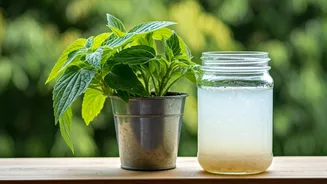
Creating a diluted wood ash 'tea' is simple and allows the nutrients to be more readily available to your plants. The most important rule is to use only ash from clean, untreated, and unpainted hardwoods or softwoods. Never use ash from charcoal briquettes, treated lumber, or coloured paper, as these contain chemicals that are toxic to your soil and plants. To make your solution, first, sift the ash to remove any large chunks of charcoal or debris. A simple kitchen sieve works well. A safe and effective ratio is to mix approximately one cup of sifted wood ash with 10 litres of water. Stir the mixture thoroughly and let it sit for several hours, or even overnight, stirring occasionally. This allows the water-soluble nutrients to leach into the water, creating a nutrient-rich liquid fertiliser.
How to Apply It to Potted Plants
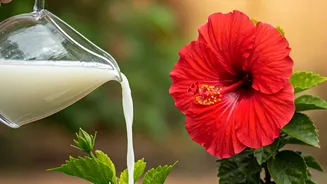
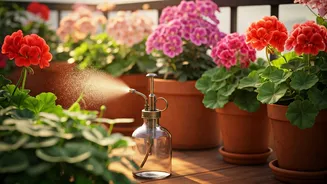
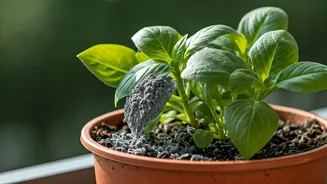
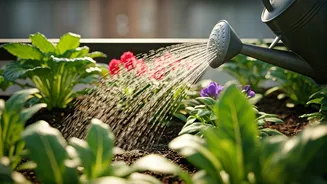
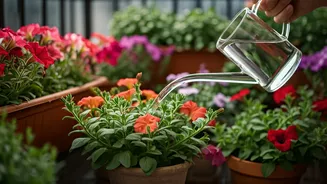
When your ash tea is ready, use it to water the soil of your alkaline-loving plants. Avoid pouring it directly over the leaves, as the alkaline solution can cause leaf burn, especially on a hot day. Apply just enough to moisten the soil, as you would with a regular watering. Do not overdo it. For potted plants, a light application once or twice during the growing season is usually sufficient. Over-application can lead to an excessive buildup of salts and raise the pH too drastically. For pest control, a dry application is often more effective. Lightly dust a ring of dry, sifted ash on the soil surface around the base of the plant. This creates the physical barrier that slugs and snails hate to cross. Remember that the ash loses its repellent quality when it gets wet, so you’ll need to reapply it after watering or rain.
Best Practices for Safe Use
To get the most out of wood ash without harming your plants, follow these simple rules. First, always test on a small scale. If you're unsure how a plant will react, apply the solution to just one pot and observe it for a week or two. Second, use it in moderation. It’s a soil amendment, not a daily fertiliser. Third, store your sifted ash in a dry, covered container to keep it ready for use and prevent it from becoming a clumpy mess. Finally, consider your soil's existing pH. If your potting mix is already neutral or alkaline, adding wood ash may not be necessary or beneficial. The goal is balance, not just addition.