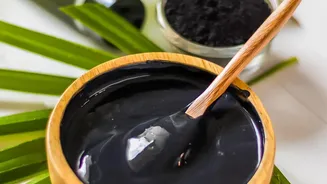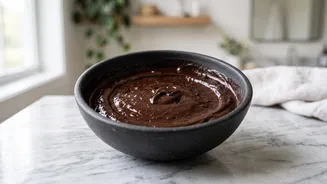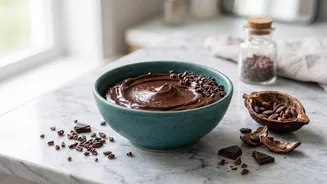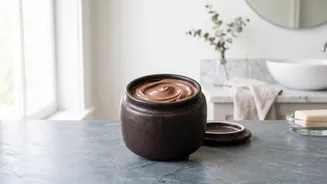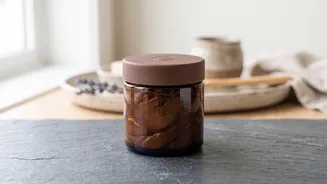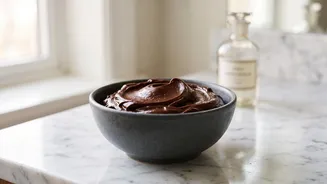







The idea of a chocolate face mask sounds delicious and decadent. It taps into our love for natural, kitchen-based beauty fixes. But before you mix that cocoa powder, it’s worth asking: is this trend truly good for your skin?
The Sweet Allure of Edible Skincare
The appeal of a chocolate face
mask is undeniable. It feels luxurious, smells incredible, and seems like a wholesome, natural alternative to complex chemical formulas. Cocoa is packed with antioxidants like flavonoids, which, when consumed, have been shown to offer health benefits. Studies suggest that consuming high-flavanol cocoa may even improve skin hydration and protect against UV damage from the inside out. This has led many to believe that applying it topically will grant the same effects. The logic feels simple: if it’s good for your body, it must be good for your face. This idea fuels the entire DIY beauty movement, where ingredients from our pantries are repurposed for our skincare routines.
From Kitchen to Skin: What Really Works?
While cocoa powder does contain antioxidants and anti-inflammatory properties, simply slathering it on your face isn't a guaranteed path to glowing skin. For an ingredient to be effective, its molecules must be small enough to penetrate the skin's protective barrier. Some dermatologists are skeptical, suggesting that the antioxidant particles in raw cocoa powder may be too large to be absorbed effectively. Furthermore, the chocolate you find in a candy bar is not the same as pure cocoa. It often contains milk, sugar, and fats that have no proven benefit for the skin and could even cause problems. While some studies point to topical benefits like increased blood flow and collagen support, these are often linked to professionally formulated extracts, not messy kitchen concoctions.
The Potential Downsides: Breakouts and Irritation
The biggest risk with a homemade chocolate mask isn't the cocoa itself, but what you mix it with. Many DIY recipes found online pair cocoa with ingredients that can harm the skin. For example, adding lemon juice or apple cider vinegar introduces a high level of acidity that can disrupt your skin's natural pH, causing irritation, dryness, and even chemical burns when exposed to sunlight. Similarly, baking soda is highly alkaline and can damage your skin's protective barrier, leading to moisture loss and increased sensitivity. Even seemingly harmless additions, like coconut oil, are highly comedogenic (pore-clogging) for many people and can lead to breakouts. 'Natural' does not automatically mean safe or suitable for your face.
Questions to Ask Before Any DIY Recipe
Before you try any homemade beauty treatment, it's crucial to think like a dermatologist. First, always perform a patch test on a small, discreet area of skin to check for allergic reactions or irritation. Then, ask these critical questions about the ingredients you plan to use:
1. Is this ingredient a known irritant? Common culprits include undiluted essential oils, acidic juices like lemon, and abrasive physical scrubs like raw sugar.
2. What is its pH level? Skin is naturally acidic, and using highly alkaline (baking soda) or acidic (vinegar) ingredients can cause significant damage.
3. Is it comedogenic? Ingredients like coconut oil can clog pores and worsen acne for many skin types.
4. Is it stable? Many natural ingredients, like the antioxidants in potato juice, break down within minutes of being exposed to air, rendering them useless.
5. How will I preserve it? Homemade concoctions with water or fresh ingredients can grow bacteria and mould quickly, posing a risk of infection.
Smarter, Safer At Home Treatments
This doesn't mean all DIY skincare is bad. Some ingredients are generally considered safe and beneficial when used correctly. Colloidal oatmeal, for instance, is a wellregarded antiinflammatory that can soothe itchy irritated skin. Raw honey particularly Manuka honey has natural humectant and antibacterial properties that can help with hydration and minor blemishes. Cooled green tea can be used as a calming compress due to its high antioxidant content. The key is to choose simple wellresearched ingredients and understand their properties. Avoid creating complex mixtures and always listen to your skin. If you experience any stinging burning or itching wash the mask off immediately.