




More Than Just Spines
Before we even get to shelving, let's appreciate what books bring to the table. Each one is an object with inherent character. The varied heights, the texture of the paper, the typography on the cover, and the subtle wear of a well-loved volume all contribute
to a rich visual tapestry. Unlike mass-produced decor items, a collection of books is deeply personal. It tells a story about your interests, your travels, and your intellectual journey. Displaying them is not just about filling space; it's about showcasing a part of yourself. This is the 'useful' beauty of books: they are decorative, but their primary purpose gives them a weight and authenticity that a simple vase or sculpture can’t replicate. They signal a space that is lived in, thought in, and loved in.
The Art of the Stack
One of the most versatile ways to style with books is to liberate them from the shelf. A thoughtfully curated stack can transform any surface. On a coffee table, a small pile of large, visually striking art or photography books creates an anchor point and invites guests to browse. Place a small decorative object, like a brass paperweight or a small plant, on top to complete the look. In a corner of a room, a tall stack of paperbacks can serve as a quirky, informal side table for a cup of tea. The key is to vary the sizes, starting with the largest book at the bottom. This technique adds vertical interest and a casual, sophisticated feel to a room, proving that books don't need a dedicated library to make a powerful statement.
Curate Your Shelves by Colour
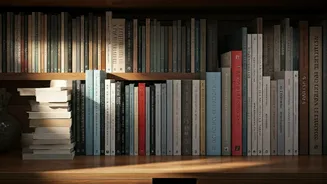
Arranging books by colour is a polarising topic among bibliophiles, but there’s no denying its visual impact. A rainbow-ordered shelf can turn a cluttered collection into a cohesive, artistic statement, drawing the eye and creating a sense of intentionality and order. This works especially well in modern or minimalist interiors where a pop of organised colour can bring a room to life. However, if the thought of separating your favourite authors makes you shudder, try a more subtle approach. Group books in tonal blocks — a section of blues and greens, followed by a warm cluster of reds and oranges. This still provides a strong visual effect without completely sacrificing your existing organisation system. It’s a happy medium between pure aesthetics and practical function.
Create Personal Vignettes
Your bookshelves shouldn't be a monotonous wall of spines. Think of them as a series of small stages where you can create personal vignettes. Break up long rows of books with objects that mean something to you. Place a small framed photo, a souvenir from your travels, or a piece of pottery in front of a section of books. Use bookends that are sculptural and interesting in their own right. Try turning a few books to face outwards, showcasing their cover art like a mini-exhibit. By mixing books with other personal treasures, you create depth, personality, and rhythm. This approach prevents a bookshelf from looking like a stockroom and instead turns it into a dynamic, evolving display of your life and tastes.
Embrace 'Bookshelf Wealth'
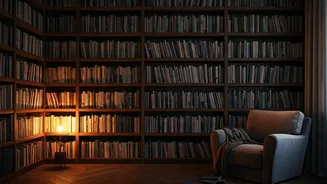
A recent trend that perfectly captures this ethos is 'bookshelf wealth'. This isn't about having expensive first editions, but about cultivating a look that feels authentic, lived-in, and intellectual. It’s the antithesis of a sterile, staged interior. The look is achieved through an abundance of books that are clearly read and loved, not just used as props. They fill custom-built shelves, are stacked on floors, and integrated naturally into the home's architecture. This aesthetic champions the idea that books are an essential part of life, not an afterthought. It’s about creating a comfortable, intelligent environment where the decor reflects a rich inner world. To get the look, focus on collecting books you genuinely love and let them fill your space organically over time.