






Let Go of Food Guilt
The first and most important step is to release any guilt associated with your festive eating. Indulging in special occasion foods is a normal part of life and culture. Viewing certain foods as 'good' or 'bad' can create a negative cycle, and feeling
guilty can often lead to more restrictive behaviours that are unsustainable. Remind yourself that a few days of different eating does not derail your overall health. The goal is to move forward with a positive mindset, focusing on nourishment rather than compensating for what you ate. Your body's health is determined by your long-term habits, not a few celebratory meals.
Hydrate, Then Hydrate Some More
Festive meals are often high in salt and sugar, which can leave you feeling dehydrated and bloated. One of the simplest and most effective ways to start feeling better is to focus on hydration. Drinking plenty of water helps your body's natural detoxification processes, aids digestion, and can help reduce water retention. While 'detox' teas and cleanses are often marketed heavily after holidays, experts agree that your body is perfectly capable of detoxifying itself, and water is a key tool for that process. Try starting your day with a glass of lukewarm water and keep a water bottle handy to sip throughout the day. Herbal teas like ginger or mint can also be soothing and aid digestion.
Prioritise Fibre and Protein
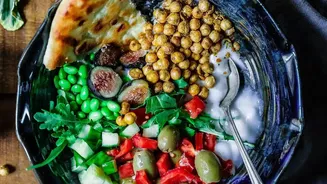
Instead of skipping meals, focus on reintroducing nutrient-dense foods. There is no need to avoid or restrict any particular food group. Emphasise meals rich in fibre and protein, which help you feel full and satisfied while stabilising blood sugar levels. Fibre, found in vegetables, fruits, whole grains, and legumes, is crucial for digestive health. Protein, from sources like eggs, lean meats, fish, or beans, helps repair the body and can reduce cravings. A simple, home-cooked meal of dal, vegetables, and a whole grain like roti or brown rice can be a perfect way to get back to basics.
Re-establish Simple Routines
Festivals can throw off our regular schedules, from sleep to mealtimes. Gently re-establishing a routine can send a powerful signal to your body that it's time to return to a state of balance. Instead of eating at irregular hours, try to return to your normal meal schedule. This doesn't need to be rigid, but having breakfast, lunch, and dinner around consistent times helps regulate your appetite and digestion. This practice, combined with a focus on simple, home-cooked food, provides a sense of normalcy that restrictive diets cannot.
Listen to Your Body’s Cues
The most sustainable approach to eating is learning to listen to your body. This concept, known as intuitive eating, involves honouring your hunger and respecting your fullness. After a period of overindulgence, your body's hunger and fullness signals might feel a bit off. Take time to check in with yourself before you eat. Are you physically hungry, or are you eating out of habit or boredom? When you do eat, slow down and savour your food, paying attention to when you start to feel comfortably satisfied. This mindful approach helps rebuild trust with your body.
Incorporate Gentle Movement
There's a temptation to engage in intense, punishing workouts to 'burn off' festive calories, but this approach can be counterproductive. Instead, focus on gentle movement that feels good. A simple walk after a meal can aid digestion, help manage blood sugar levels, and reduce bloating. Regular physical activity, along with good sleep and a balanced diet, is far more effective for long-term health and weight management than short bursts of extreme exercise. Movement should be a celebration of what your body can do, not a punishment for what you ate.