






The End of the Charging Cable?
Imagine a world where your wearable devices never run out of battery because they are constantly being powered by you. This isn't science fiction, but the focus of intense research in the world of smart textiles. Scientists and engineers are developing
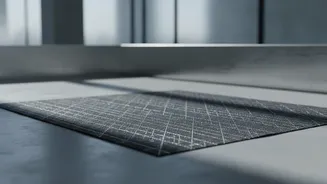
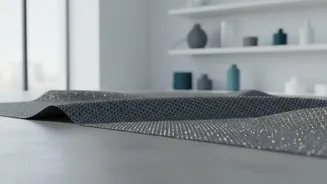
innovative fabrics with thermoelectric properties. In simple terms, these are materials capable of a neat trick: converting a temperature difference directly into electrical energy. For wearables, that temperature difference is the one that exists between your warm skin and the cooler air around you. The ultimate goal is to weave this technology into everyday clothing, creating shirts, bracelets, or watch straps that act as perpetual, silent power sources for the low-power electronics we use daily, like fitness trackers and health sensors.
How Body Heat Becomes Battery Power
The science behind this process is a 200-year-old phenomenon known as the Seebeck effect. It states that when two different conductive materials are joined together and there's a temperature difference between them, a voltage is created, causing an electrical current to flow. Traditionally, the best thermoelectric materials were rigid, brittle, and often contained rare or toxic elements like tellurium, making them completely unsuitable for clothing. The recent breakthrough lies in creating new, flexible materials that can perform this function. Researchers are now embedding microscopic thermoelectric components into stretchable polymer bases or even creating fiber-based threads that can be woven or sewn into fabric. These designs aim to be comfortable, breathable, and durable, just like regular textiles, while efficiently harvesting the small amount of thermal energy your body radiates.
The Hurdles to Commercialization
While the promise is immense, you probably won't be buying a self-powering t-shirt next year. There are significant challenges to overcome. The biggest is power output. The temperature difference between skin and air is small, so the amount of energy generated is currently in the microwatt to milliwatt range. This is often not enough to power a feature-rich smartwatch, though it is getting closer to what a basic fitness tracker might need. Another major hurdle is the conflict between performance and wearability. The most efficient materials are still too rigid, while comfortable, flexible options don't generate as much power. Durability is also a key concern; these smart textiles must withstand thousands of cycles of stretching, bending, and, crucially, washing without losing their electrical properties. Finally, cost and scalability are major barriers. Current manufacturing processes are often complex and expensive, making mass production for a consumer market difficult.
More Than Just Fitness Trackers
Even with the challenges, the potential applications for this technology are transformative and extend far beyond just keeping your step counter alive. In medicine, thermoelectric fabrics could power a new generation of wearable health monitors that continuously track vital signs like heart rate, temperature, or glucose levels without ever needing a battery change, which is a game-changer for managing chronic conditions. For industrial or military use, they could power sensors embedded in uniforms that monitor a soldier's or worker's health and environmental conditions in real time. Interestingly, the effect also works in reverse. By applying a small electrical current, the same textiles could provide on-demand personal cooling or heating, a feature known as the Peltier effect. This could lead to sportswear that actively cools you down during a workout or office chairs that provide a touch of warmth.