
Tired of the same old pasta salad? While a familiar favourite, soft pasta often turns mushy and bland. It’s time for an upgrade that adds incredible texture, nutty flavour, and a host of nutritional benefits to your bowl.
Beyond the Mush
The classic pasta salad is a staple
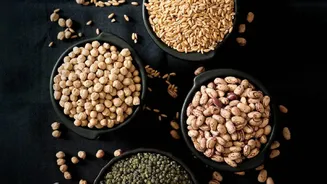
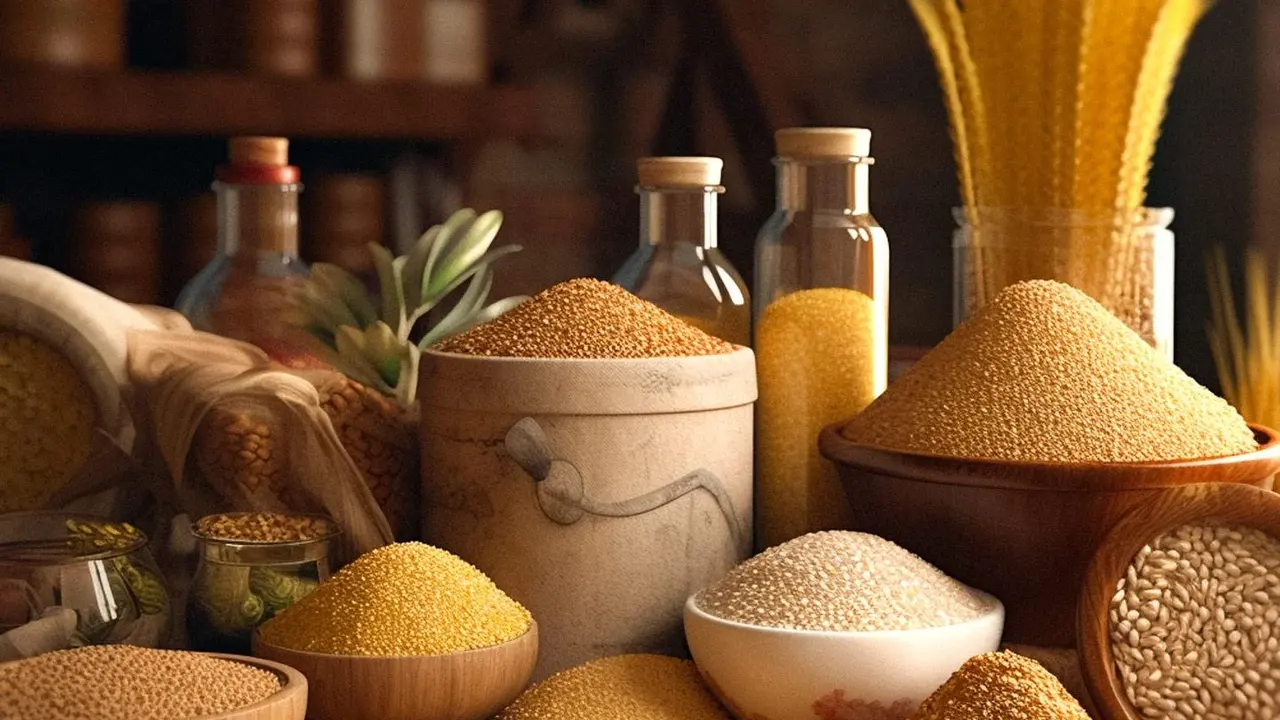
for a reason, but its star ingredient has a fundamental flaw: it doesn't hold up. Even when cooked perfectly al dente, pasta eventually softens in dressing, leading to a one-note, often mushy texture. Ancient grains, on the other hand, are built differently. Defined as grains that have remained largely unchanged for centuries, varieties like farro, quinoa, and sorghum offer a robust structure that stands up to dressings and other ingredients. They provide a satisfying chew and a range of nutty, earthy flavours that plain pasta simply can't match. Furthermore, these grains are nutritional powerhouses, often packing more fibre, protein, vitamins, and minerals than their refined modern counterparts. Making the switch means you’re not just improving your salad’s texture, but its nutritional profile, too.
Farro: The Chewy Champion
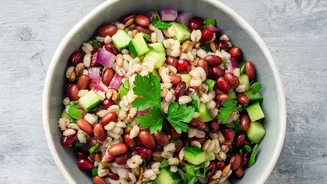
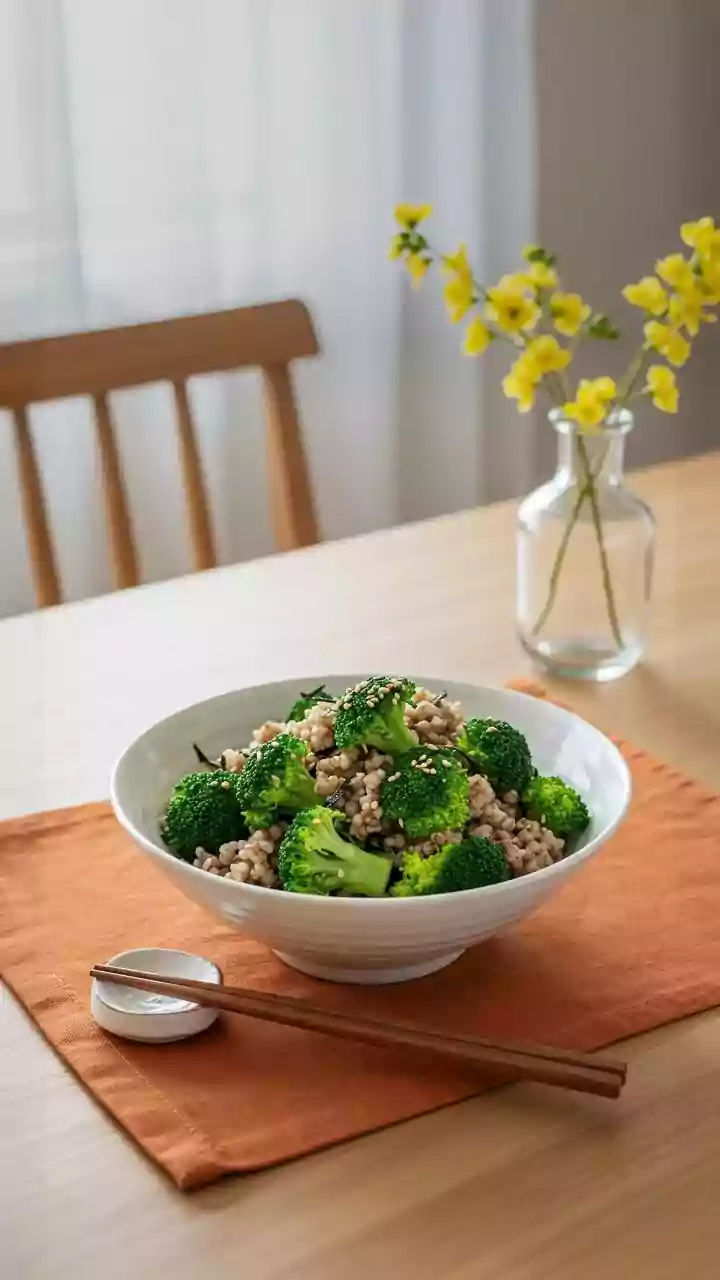
If you're looking for a grain with real heft and a delightful chew, farro is your answer. An ancient form of wheat popular in Italian cuisine, farro has a firm texture that's often compared to perfectly cooked barley. Its distinctly nutty flavour provides a perfect base for robust ingredients like roasted vegetables, sharp cheeses, and tangy vinaigrettes. Because it holds its shape so well, a farro salad made for lunch will be just as delicious and texturally pleasing hours later. Most farro sold in stores is pearled or semi-pearled, which means some of the bran is removed to speed up cooking, typically taking 20 to 30 minutes. For the best results in a salad, cook it like pasta in a large pot of salted water until it's tender but still has a firm bite, then drain and cool.
Quinoa: The Versatile Seed
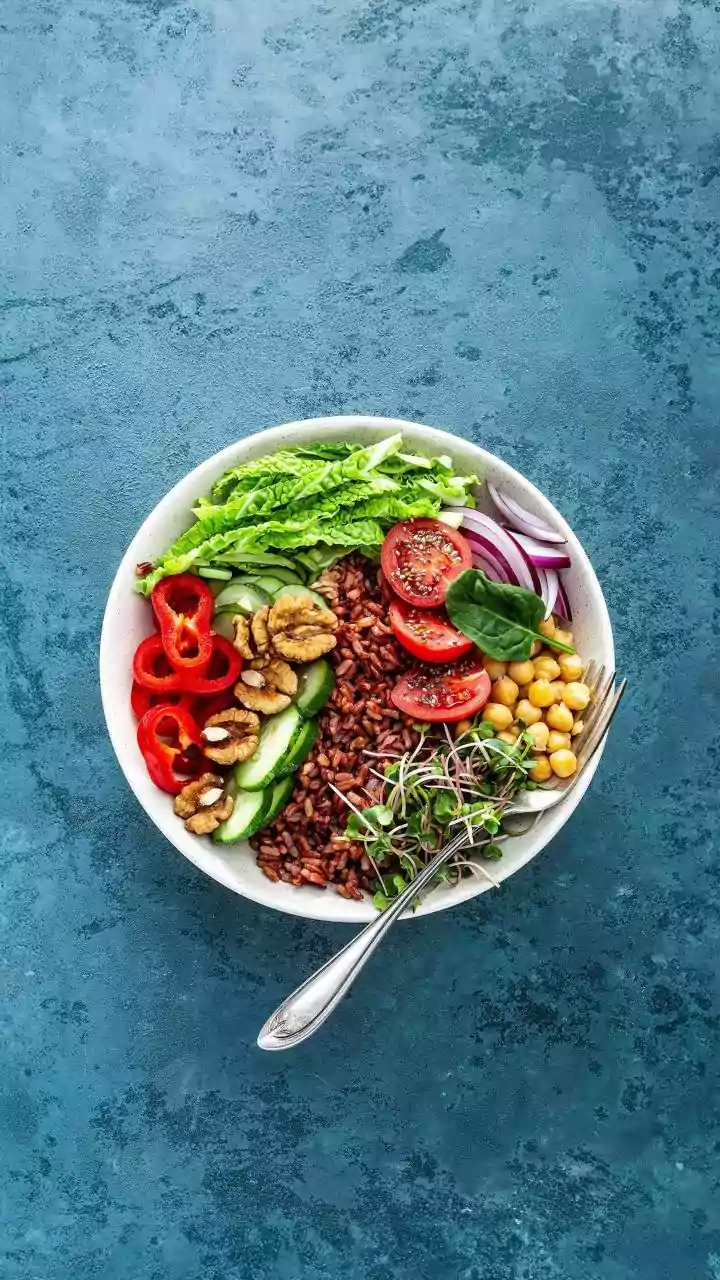
Though often grouped with grains, quinoa is technically a seed and a celebrated superfood. One of its biggest advantages is that it's a complete protein, containing all nine essential amino acids. When cooked, quinoa has a light, fluffy texture with a subtle 'pop'. For salads, it's best to rinse the quinoa before cooking to remove its natural coating, called saponin, which can taste bitter. To achieve perfectly separate, fluffy grains ideal for a salad, use a 2:1 water-to-quinoa ratio, let it simmer until the water is absorbed, and then let it steam off the heat for a few minutes before fluffing with a fork. It's crucial to let it cool completely before mixing with dressings and other ingredients; this prevents the vegetables from wilting and keeps the quinoa from clumping.
Sorghum: The Surprising Pop
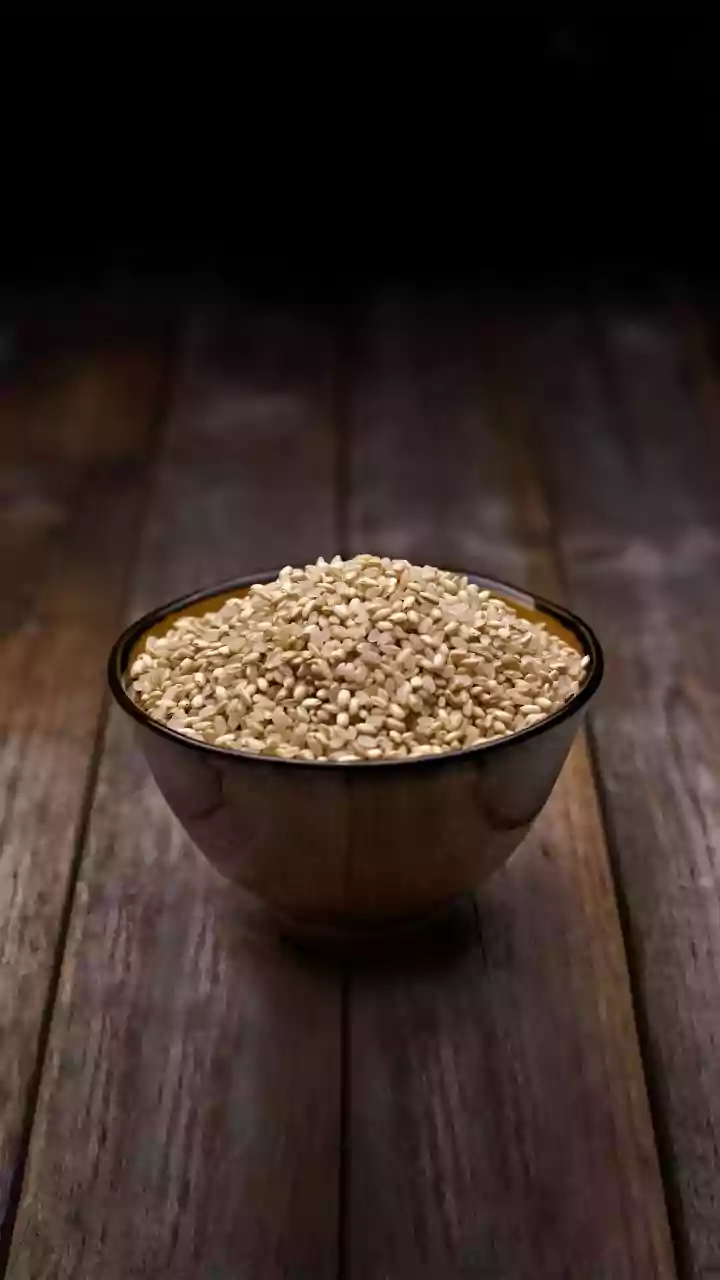
Sorghum may be less famous than quinoa, but it's a fantastic gluten-free grain that deserves a spot in your pantry. It boasts a wonderfully hearty and chewy texture, similar to wheat berries or Israeli couscous, but with a unique quality: it never gets soggy. This makes it an absolute champion for meal-prepped salads that need to last for days in the fridge. Native to Africa, sorghum has a mild, slightly sweet and nutty flavour that pairs well with almost anything. You can even pop the dry grains like popcorn for a super crunchy salad topper. Sorghum takes longer to cook, about 50 to 60 minutes on the stovetop, but its resilience is worth the wait. Once cooked, it provides a satisfying chew that makes any salad feel more substantial.
Millet: The Fluffy, Blank Canvas
Don't overlook millet, a tiny, ancient grain that cooks up into a light, fluffy texture that's a wonderful alternative to couscous (which is a type of pasta). With a very mild, almost blank-canvas flavour, millet is excellent at soaking up dressings and taking on the character of the other ingredients in your salad. For the best salad texture, cook millet until it's fluffy but not mushy, then let it cool completely before using. Toasting the dry grains in a pan before simmering can enhance their naturally nutty aroma. Millet's ability to remain in distinct, separate grains makes it a fantastic base for vibrant Mediterranean-style salads with fresh herbs, chickpeas, and a bright lemon vinaigrette.
Perfecting Your Grain Salad
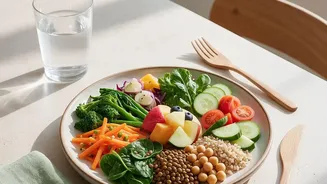
Making a great grain salad is simple if you follow a few key principles. First, always cook your grains until they are just tender—'al dente'—to ensure they maintain a pleasant chewiness. Second, let the grains cool down before mixing them with fresh ingredients to keep your vegetables crisp and prevent the salad from becoming warm and wilted. Dressing the grains while they are still slightly warm can help them absorb more flavour, but mix in fresh herbs and delicate greens only at the very end. Finally, think about contrast. The nutty chew of the grains is the perfect foundation for crunchy nuts, sweet dried fruits, creamy cheeses, and a bright, acidic vinaigrette that ties everything together.