



A Return to the Roots
For years, many high-end Indian restaurant menus favoured imported 'superfoods' like quinoa and avocado. However, a significant shift is taking place. A new generation of chefs is turning their focus inward, championing the immense biodiversity of India's
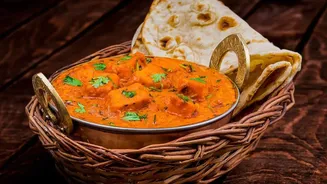
own backyard. This movement is about more than just novelty; it's a conscious effort to move beyond generic curries and redefine Indian food by showcasing hyper-local flavours. Chefs are now cultural custodians, preserving culinary heritage by celebrating ingredients and recipes that were once at risk of being forgotten. They are travelling to remote regions, engaging with local cooks and elders, and studying old texts to bring these lost tastes back to the forefront.
The Stars of the New Festive Menu
The ingredients taking centre stage are as diverse as India itself. In Bengal, the intensely fragrant Gondhoraj lime, once a household staple, is now making its way into contemporary cocktails and marinades. From the Himalayas comes Jakhiya, a tiny black seed with a nutty, bitter flavour, which is being used to add a unique crunch to modern vegetable dishes. In the south, chefs are exploring the potential of Kalpasi, a lichen also known as stone flower, which imparts a smoky, earthy aroma to dishes beyond traditional biryanis. Other rediscovered gems include Kulith (horse gram), a nutritious pulse with an earthy flavour, and Tirphal, a peppery berry from coastal Maharashtra that adds a citrusy kick to seafood. These ingredients aren't just curiosities; they are powerful flavour tools that add depth and a story to every plate.
Tradition Reimagined on the Plate
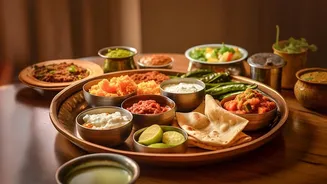
The real magic happens when these traditional ingredients are combined with modern techniques. Chefs are not simply recreating old recipes; they are reinterpreting them for today's palate. For instance, a festive menu might feature a dish of charred ponkh (tender green sorghum) served with a smoked pumpkin hummus, a creation of Chef Hussain Shahzad. Chef Manish Mehrotra, known for his innovative approach, elevates regional dishes with contemporary twists, creating memorable experiences. Even grains like millets are being transformed into sophisticated dishes like black olive risotto. At ITC hotels, special festive menus like the 'Sonar Mahabhoj' in Kolkata are designed specifically to revive forgotten Bengali recipes for occasions like Durga Puja. This blend of old and new offers a dining experience that is both comforting and exciting, connecting diners to a deeper culinary history.
More Than Just a Meal
This culinary revival has an impact that extends far beyond the restaurant table. By creating demand for these indigenous ingredients, chefs are supporting local farmers and preserving agricultural biodiversity. Many of these heirloom plants are resilient and well-suited to local climates, making them a sustainable choice. This trend also represents a form of cultural reclamation. When a chef brings back a forgotten dish, they are not just cooking; they are telling the story of a region, a community, and its history. For diners, it's an opportunity to connect with the incredible depth of India's culinary landscape, which for too long was overshadowed by a handful of popular dishes.