

The Rejuvenated Tea Gardens
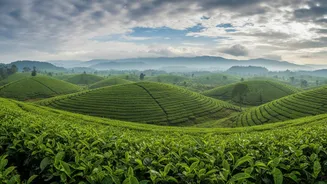
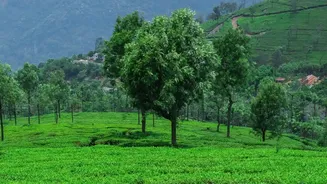
There is no sight more iconic to Assam than its sprawling tea estates, and the monsoon is when they are at their most breathtaking. The rain washes the dust from the leaves, leaving behind an endless carpet of glistening, vibrant green. The air is thick
with the fresh, earthy scent of wet soil and tea leaves. Unlike the peak winter season, the monsoon months see fewer visitors, allowing for a more intimate experience. You can stroll through the rain-drenched gardens of Jorhat, known as the tea capital of Assam, or Dibrugarh and watch the leaves being plucked. Many estates offer stays where you can wake up to misty mornings, sip freshly brewed chai, and watch the clouds roll over the hills from your window.
Haflong: The Misty Hill Station
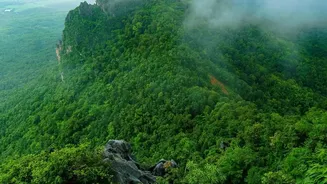
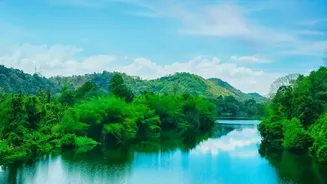
As Assam's only recognized hill station, Haflong becomes particularly magical during the monsoon. Often called the "Switzerland of the Northeast," its rolling hills are draped in mist, and waterfalls appear overnight, tumbling down green slopes. The usual tourist crowds are absent, replaced by a profound quiet that settles over the town. You can take serene walks around Haflong Lake as fog drifts over the water or trek through trails that have become thrilling paths into the unknown. The rains amplify the natural beauty, making it an ideal retreat for those seeking solitude and a chance to connect with nature in its rawest form.
A Transformed Majuli Island
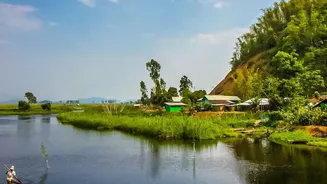
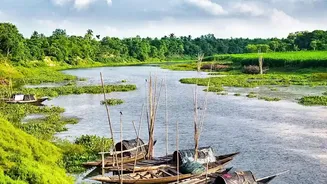
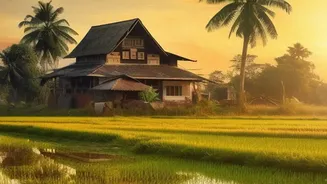
The world's largest river island, Majuli, takes on a unique character during the monsoon. While the mighty Brahmaputra River swells, much of the island becomes a lush, green sanctuary. The rains bring a sense of renewal, and life slows to a gentle, unhurried pace. It's a time for quiet reflection, offering a chance to engage with the local Mising culture without the distraction of large tourist groups. You can visit the ancient sattras (monasteries), witness traditional mask-making, or simply cycle through rain-washed village paths. Though travel requires flexibility due to weather, the reward is an authentic, soulful experience on an island that feels vibrantly alive.
Wildlife in a Verdant Sanctuary
While Kaziranga National Park often partially closes due to floods, other wildlife sanctuaries offer unique monsoon experiences. Parks like Pobitora Wildlife Sanctuary, known for its dense population of the one-horned rhinoceros, become incredibly lush and are less crowded. Dibru-Saikhowa National Park, a biosphere reserve comprising wetlands and riverine forests, is open year-round and offers incredible boat safari opportunities during the rains. The wetlands teem with life, and it’s a fantastic time for birdwatching as migratory species flock to the region. Exploring these greened sanctuaries provides a different, more serene perspective on Assam's rich biodiversity.
A Word on Practicalities
Visiting Assam during the monsoon is an immensely rewarding experience, but it requires some planning. The primary draw is the solitude and stunning greenery, which comes at the cost of potential travel disruptions. Heavy rainfall can sometimes lead to floods and landslides, especially in low-lying areas and tea gardens in Upper Assam. It is wise to check weather forecasts and local conditions before you travel. Pack waterproof clothing, sturdy footwear for slippery paths, and insect repellent. Embrace a flexible itinerary; the unpredictable weather is part of the monsoon charm, encouraging a slower, more immersive pace of travel that allows you to truly soak in the tranquil beauty of the state.