



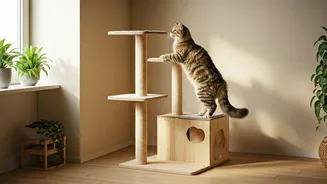


Why Cats Crave The High Ground
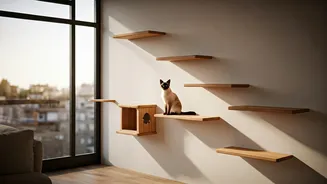
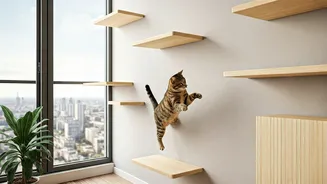
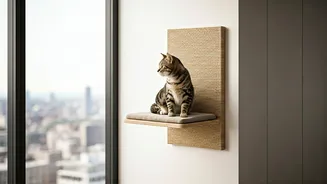
Before they were our pampered companions, cats were predators and prey. This evolutionary history is hardwired into their brains. A high vantage point provides a sense of security, allowing them to survey their territory (your living room) for potential
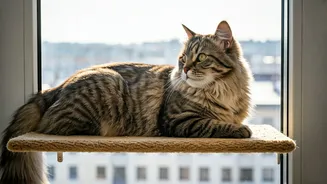
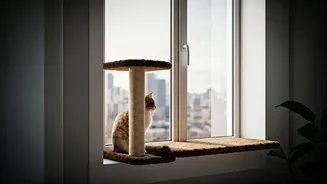
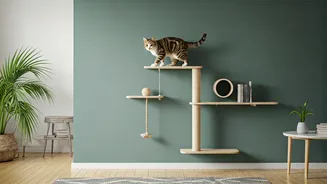
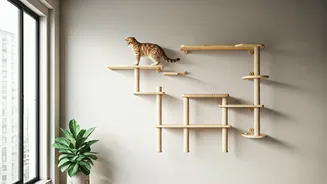
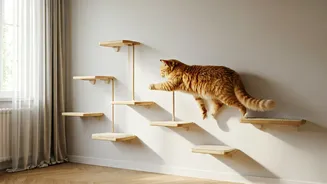
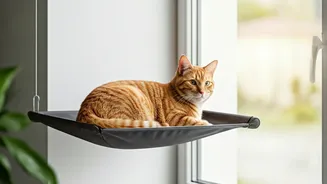
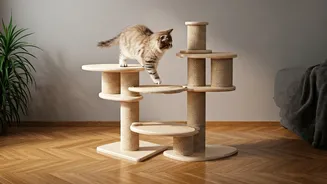
'threats' or opportunities. In a multi-pet household, vertical space offers a crucial escape route from a pestering dog or another cat. For a solitary kitten, it’s a source of environmental enrichment that fights boredom and anxiety. A bored cat is often a destructive cat. By providing multi-tiered bridges and perches, you’re not just giving them a toy; you're offering them a safe space that satisfies their instinctual need to climb, observe, and feel in control of their environment.
The Magic of Sisal
Why are so many cat products wrapped in that coarse, fibrous rope? That’s sisal, and it’s a miracle material for cat owners. Scratching is a natural and necessary behaviour for cats. It helps them shed the outer husks of their claws, mark their territory with scent glands in their paws, and get a good, satisfying stretch. Without an appropriate outlet, your sofa, curtains, and table legs become the prime targets. Sisal provides the perfect texture for this. It's tough, durable, and shreds in a way that cats find deeply satisfying. A sisal-wrapped walking bridge does double duty: it provides a climbing highway while also serving as a dedicated, acceptable scratching post, redirecting their claws away from your precious furniture and saving you from costly repairs.
Choosing the Right Bridge for Your Space
Not all cat bridges are created equal. When choosing one, especially for a playful kitten, safety and durability are paramount. Look for bridges made from solid wood rather than particleboard, which can sag or break over time. Check the quality of the sisal wrapping—it should be tight and secure, with no loose staples or glue. Consider the design. Multi-tier bridges are excellent because they offer more complexity and room for exploration. For kittens or senior cats, ensure the steps between tiers are not too far apart. Also, measure your wall space carefully. You want to create a 'cat highway' that connects existing furniture, like a bookshelf to a window perch, creating a functional pathway rather than an isolated island. Ensure the bridge’s weight capacity can handle a full-grown cat, not just a kitten.
Installation: Safety is Non-Negotiable
A poorly installed cat bridge is more dangerous than no bridge at all. The number one rule is to anchor it securely into wall studs, not just the plasterboard. Use a stud finder to locate these solid wooden beams behind your wall. Most kits come with mounting hardware, but if your walls are brick or concrete, you will need to purchase appropriate heavy-duty anchors and screws. Follow the manufacturer's instructions to the letter. Once installed, give it a firm tug and push from all angles to test its stability before you let your kitten on it. It should not wiggle, shift, or creak. Remember that your tiny kitten will grow into a larger, heavier cat who might launch themselves at the bridge with full force. Plan for the adult, not just the baby.
Getting Your Kitten On Board
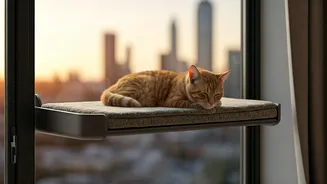
You’ve built the perfect feline playground, but your kitten is ignoring it. Don't worry; this is normal. Cats are cautious creatures. The key is to make the bridge a positive and rewarding place. Never force your kitten onto it. Instead, use encouragement. Place their favourite treats on the first step, then the next, leading them up slowly. Use a feather wand or laser pointer to guide them across the bridge, turning it into a game. Place a comfy blanket or a familiar toy on one of the perches to make it more inviting. Patience is crucial. Let them explore it on their own terms. Once they realize it's a safe and fun place for climbing, napping, and watching the world go by, it will quickly become their favourite spot in the house.