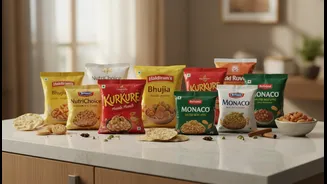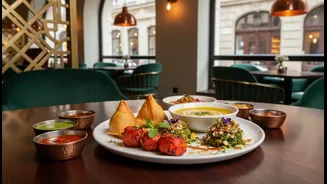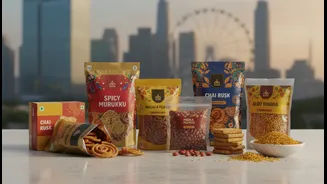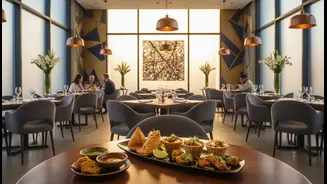








From Packet to Plate
A powerful new trend is reshaping the global presence of Indian food businesses. Major players in the packaged snacks and sweets industry are leveraging decades of brand loyalty to launch full-fledged restaurants in international markets. This isn't just
about opening another Indian eatery; it's a strategic move that transforms a trusted product into a complete dining experience. Brands that Indians have grown up with are now offering everything from street food classics like chole bhature and raj kachori to comprehensive North and South Indian meals in cities from Dubai to London. This evolution marks a significant shift from simply exporting products to exporting a holistic and trusted culinary identity.
The Strategy of Trust
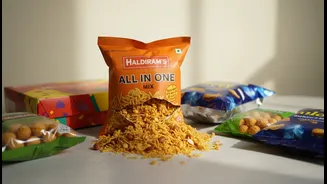
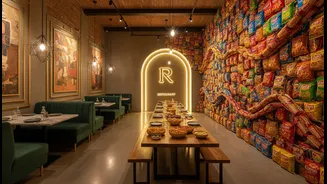
The core of this model is built on pre-existing trust. For decades, companies like Haldiram's built their empire not on flashy advertising but on consistency and word-of-mouth. When a customer sees a Haldiram's restaurant abroad, they aren't just trying a new spot; they are engaging with a brand they already associate with quality, hygiene, and authentic flavour. This instantly lowers the barrier to entry in a competitive foreign market. For diners, especially the Indian diaspora, it offers a sense of comfort and reliability. The recent opening of a Haldiram's in London, which drew massive queues, is a testament to this built-in loyalty, with people lining up for a familiar taste of home. The restaurant becomes an experience centre for the brand, reinforcing trust that translates back to their packaged goods.
Pioneers of the Model
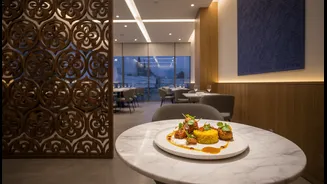
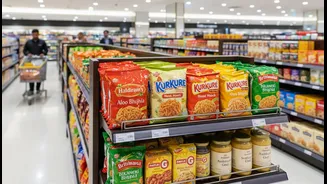
Haldiram's is the most prominent example of this strategy in action. What started as a small shop in Bikaner in 1937 has grown into a global snack empire with a footprint in over 80 countries. The company began opening restaurants in India in the 1990s as a smart branding move and has now taken that model international, recently launching its first outlet in Dubai to great fanfare. The Dubai restaurant, with a capacity for over 100 diners, offers a curated menu that extends far beyond its packaged snacks. Other brands are following a similar path. Bikano, which started as a shop in Chandni Chowk, now has a presence in over 35 countries and has ventured into the ready-to-eat segment, laying the groundwork for further expansion. While some brands focus on domestic restaurant expansion first, the international success of their packaged goods is paving the way for global dining ventures.
A Win for Brands and Diners
This trend offers a powerful symbiotic relationship. For the brands, it's a new revenue stream and a potent marketing tool with a built-in customer base. It allows them to showcase a wider variety of their culinary skills beyond what can be packaged. For diners, it provides a safe and reliable gateway to authentic Indian cuisine. In a foreign city filled with unknown restaurants, a familiar brand name offers an assurance of quality. This is particularly crucial as the global appetite for diverse and authentic flavours grows. Indian food is no longer a niche cuisine, and trusted brands are perfectly positioned to cater to both the Indian diaspora and curious new customers.
Challenges on the Menu
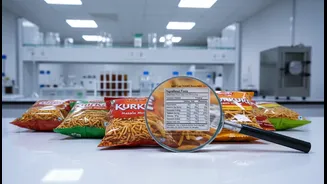
The transition from a consumer-packaged goods (CPG) company to a restaurant operator is not without its difficulties. The skill sets are vastly different. While a CPG brand excels at product consistency, large-scale manufacturing, and supply chain logistics, a restaurant must manage daily service, customer experience, and maintaining quality across individual kitchens. High operating costs, including rent and labour in international hubs, can shrink margins. Furthermore, brands must strike a delicate balance: maintaining the core identity that built their reputation while adapting menus and experiences to local tastes and preferences without diluting what makes them special. Success requires mastering a whole new set of operational complexities, from front-of-house service to managing a more perishable supply chain.