


Why Holding Poses Builds Strength
A strong core is more than just visible abs; it's the foundation for good posture, balance, and overall stability. When you hold a yoga pose, you are performing an isometric exercise. This means your muscles are contracting and generating tension without
changing length. This sustained engagement is incredibly effective for building deep, functional strength and stamina. Unlike dynamic movements that can sometimes rely on momentum, holding a pose forces your core muscles—including the deep transverse abdominis, obliques, and lower back—to work continuously to stabilize your body. This creates a resilient center that supports you in every movement, both on and off the mat.
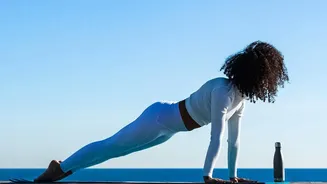
Plank Pose (Phalakasana)
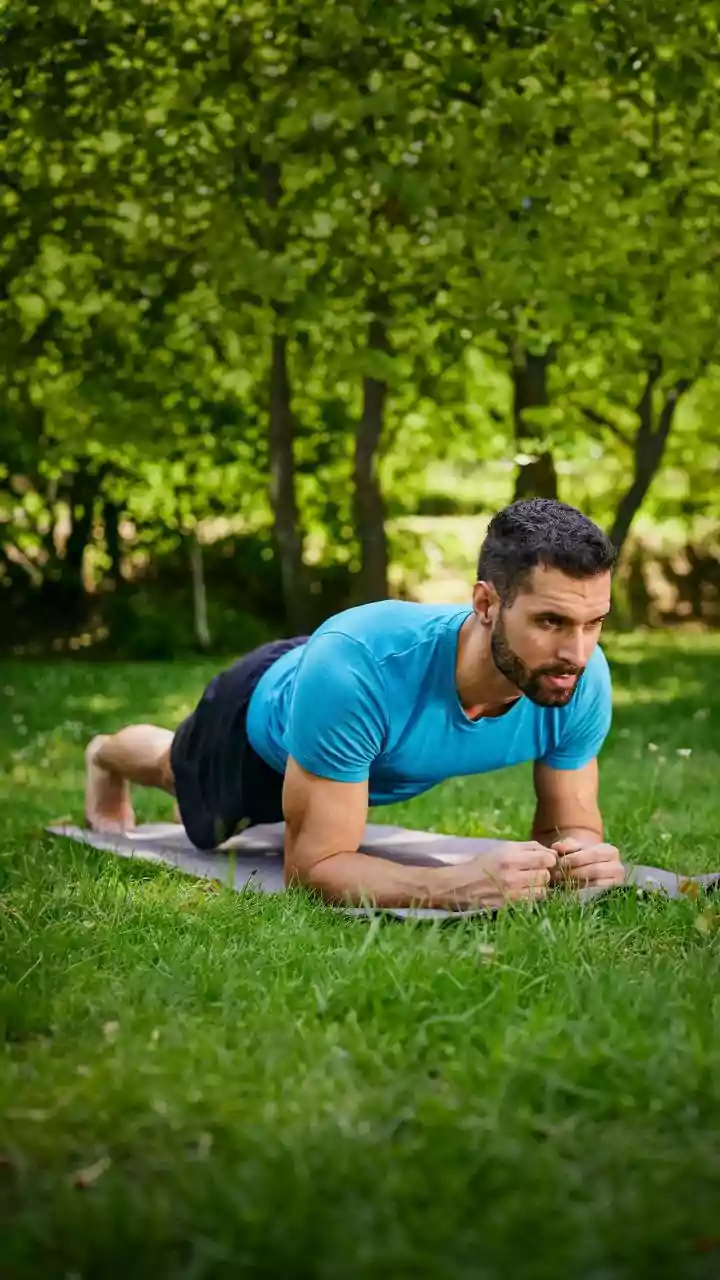
Plank is a fundamental pose for full-body strength, and it's especially effective for the core. It targets the front abdominal wall, shoulders, and back all at once. To practice, start on your hands and knees. Step your feet back until your body forms a straight line from your head to your heels. Ensure your shoulders are directly over your wrists. Actively engage your core by imagining you are pulling your navel toward your spine to prevent your hips from sagging. For a gentler modification, you can lower your knees to the mat while keeping a straight line from your knees to your head. Hold for 30 seconds, focusing on steady breaths.
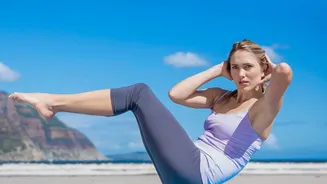
Boat Pose (Navasana)
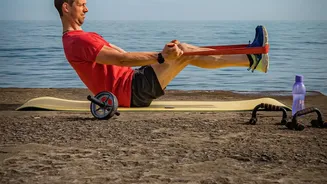
Boat Pose is a powerful seated posture that directly challenges your abdominal muscles and hip flexors. It's one of the most efficient core exercises because it engages the abs, hip flexors, and back muscles simultaneously. To begin, sit on the floor with your knees bent and feet flat. Lean back slightly, keeping your spine straight and chest lifted. Engage your core and lift your feet off the floor, bringing your shins parallel to the ground. You can keep your hands on the floor behind you for support or extend your arms forward. For an easier version, hold the backs of your thighs. Focus on balancing on your sit bones and hold for 15-30 seconds.
Bridge Pose (Setu Bandhasana)
Bridge Pose is excellent for strengthening the posterior part of your core, including your glutes and lower back, which are crucial for pelvic stability. Lie on your back with your knees bent, feet flat on the floor hip-width apart, and arms by your sides with palms down. Press into your feet and inhale as you lift your hips off the floor, creating a straight line from your shoulders to your knees. Avoid letting your knees splay out to the sides. This pose is gentle on the wrists and provides a great counterbalance to abdominal-focused work. Hold for 30 seconds while breathing deeply into your belly.
Bird-Dog Pose (Dandayamana Bharmanasana)
This beginner-friendly pose is exceptional for building core stability because it trains your body to resist rotation and maintain balance. Start on your hands and knees in a tabletop position, with a flat back. Engage your abdominals, then extend your right arm straight forward and your left leg straight back, keeping both parallel to the floor. The key is to keep your hips and shoulders level, preventing any tilting or twisting. This requires your deep core muscles to fire up. Hold for a few breaths, then slowly return to the start and switch sides. This teaches control and strengthens the muscles that protect your spine.
Chair Pose (Utkatasana)
Chair Pose is a full-body challenge that heavily relies on core and leg strength. Your abdominal muscles work hard to stabilize your spine and support your lower back as you sit back into the imaginary chair. Stand with your feet together or hip-width apart. Inhale and raise your arms overhead. Exhale as you bend your knees and send your hips back as if sitting down. Keep your chest lifted and your weight primarily in your heels. Your core acts as a brace, preventing your torso from collapsing forward. For a modification, you can practice against a wall. Hold for 30 seconds, feeling the power build in your center.