



The End of an Era for Minimalism
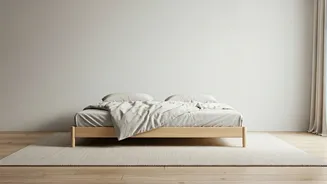
The long-held belief that small spaces demand a minimalist aesthetic is being challenged. Homeowners are discovering that a home filled with personality and storied pieces can feel more comforting and authentic than a sparsely decorated one. [9] The shift
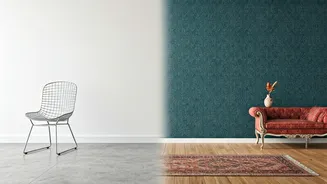
is away from mass-produced, 'fast furniture' towards unique finds that tell a story. [8] This trend isn’t about recreating a museum but thoughtfully mixing vintage with new to create timeless, personal interiors. [9] Designers note a growing desire for homes that feel soulful and intentional, a direct response to years dominated by cool, impersonal grays and beiges. [8, 9] The result is a layered, collected look that feels deeply connected to the people who live there.
Why Vintage Just Works in Small Homes
It might seem counterintuitive to fill a compact room with older, sometimes ornate, furniture. However, many vintage pieces are surprisingly well-suited for smaller footprints. A lot of antique furniture was originally designed for more intimate rooms, meaning their scale is often narrower and less bulky than today's oversized options. [17] Furthermore, vintage items were built with functionality in mind. [17] A secretary desk can serve as both a workspace and storage, a vintage trunk can be a coffee table with hidden depths, and a drop-leaf table provides flexibility that modern, static furniture often lacks. [2, 10, 11] This blend of practicality and craftsmanship makes antiques a smart choice for maximizing both style and utility.
Embracing the 'Grandmillennial' Charm
A major force behind this trend is the rise of “Grandmillennial” style—a modern take on the traditional, comforting decor found in a grandparent’s home. [21, 24] Coined to describe millennials who favour chintz over chrome, this aesthetic is all about warmth, nostalgia, and character. [23, 25] It champions elements like floral wallpaper, skirted tables, embroidered linens, and rich textures. [23, 22] This style proves that maximalist charm isn't just for large houses; by using scaled-down classic pieces, patterned alcoves, and delicate chandeliers, even the smallest urban apartments can feel cozy and curated. [21] It’s a rebellion against the minimalist mandate, celebrating instead a layered, personal, and lovingly assembled home. [25]
Curating, Not Cluttering
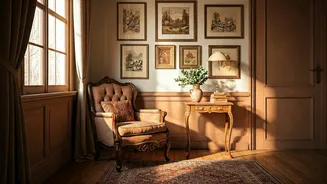
The biggest fear when decorating a small space is making it feel cluttered. The key to a successful vintage look is thoughtful curation. Start by choosing one or two statement pieces to anchor the room, rather than filling it with too many small items. [15] Balance is crucial; mix vintage finds with modern pieces to keep the space feeling fresh and prevent it from looking like an antique store. [5, 15] Pay attention to vertical space by using ornate mirrors, which reflect light and create an illusion of spaciousness, or by drawing the eye upward with a gallery wall of vintage art. [3, 10, 15] Giving each piece room to breathe ensures that its unique character can shine, contributing to a collected look that feels intentional and uncluttered. [20]
Key Elements to Look For
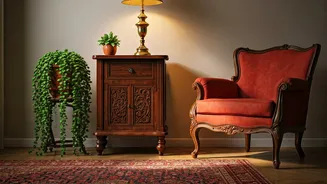
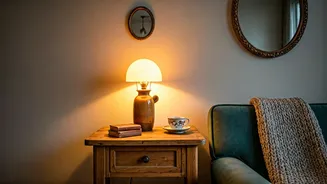
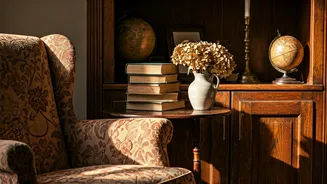
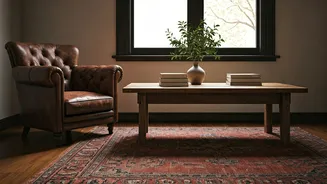
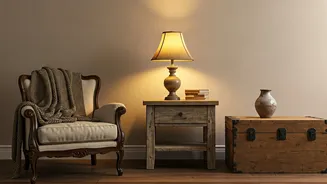
To achieve this style, focus on a few key elements. Incorporate rich textiles like velvet cushions, patchwork quilts, or vintage rugs to add warmth and texture. [3, 4] Lighting is transformative; look for retro table lamps, ornate chandeliers, or fixtures made of brass and glass to create a nostalgic glow. [3, 4] Don't forget accessories. Small items like antique clocks, old books, retro vases, or a collection of framed prints infuse personality into your space. [3] And for a classic trick, a vintage mirror with an intricate frame can make any small room feel larger and brighter. [3, 14]