






More Than Just a Bed
The word ‘hostel’ might conjure images of spartan dormitories and a purely functional place to sleep. However, the modern Indian hostel has evolved far beyond this stereotype. Today’s shared accommodations are vibrant, design-conscious social hubs that
prioritize community and experience over mere lodging. Chains like Zostel, goStops, and The Hosteller have professionalized the sector, creating spaces that are as much about the people you meet as the places you visit. These are not just rooms for rent; they are curated environments with lively common areas, in-house cafes, and a constant buzz of activity, from movie nights and karaoke to bonfires and music sessions. The focus has shifted decisively from a transactional stay to a transformational experience, where the accommodation itself becomes a memorable part of the journey.
The New Indian Traveller
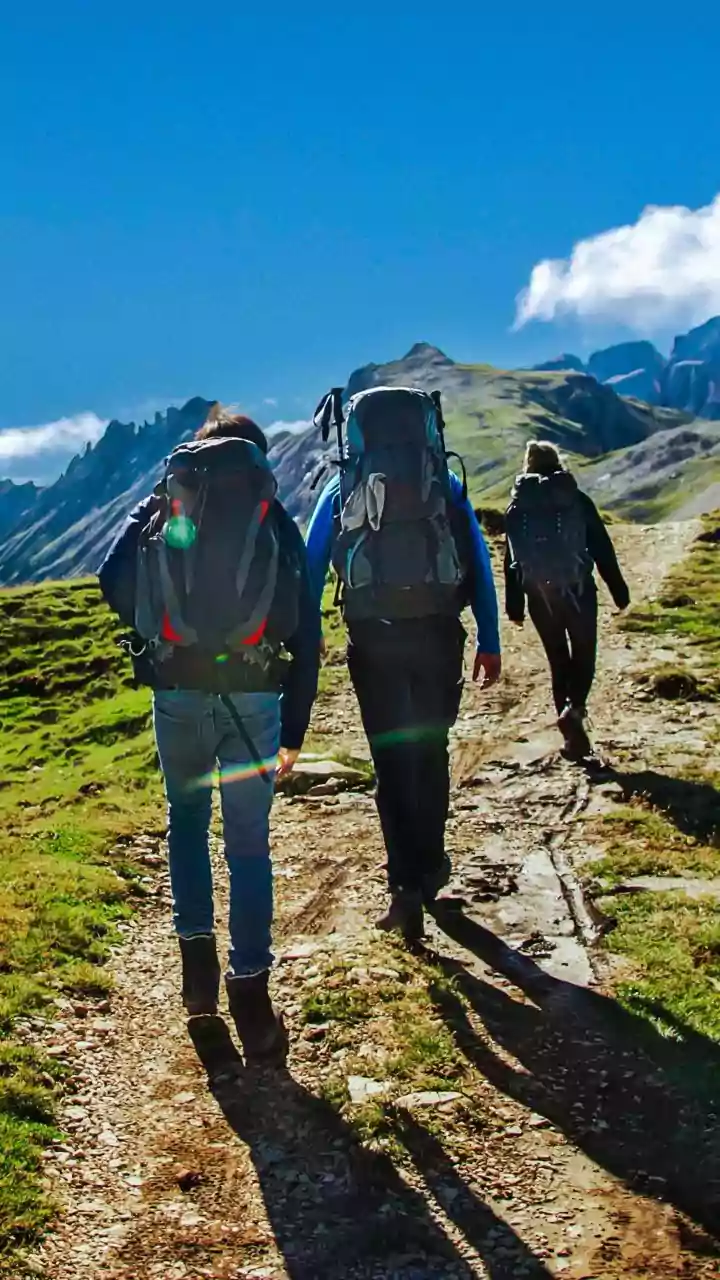
Driving this transformation is a new demographic of Indian travelers: millennials and Gen Z. Unlike previous generations, they often value experiences over luxury and are increasingly embarking on independent adventures. This group includes a significant number of solo travelers, small groups of friends, and, notably, a surge in solo female travelers who feel secure in the community-centric and safe environments these branded hostels provide. A decade ago, hostels in India were largely the domain of international backpackers. Now, domestic travelers form the vast majority of guests, exploring their own country with a desire for both affordability and authentic social connections. This shift reflects a broader cultural change, fueled by rising disposable incomes, better connectivity, and a desire for more flexible and immersive ways to travel.
Curated Communities and Hyperlocal Experiences
What truly sets these new-age hostels apart is their role as experience aggregators. They don't just give you a place to stay; they connect you with the local culture and fellow travelers. Many properties organize city walks, food tours, and cultural workshops like pottery or local cooking classes, often led by local artisans. This approach transforms a generic trip into an immersive cultural exchange. Instead of just meeting other tourists, travelers find themselves in a vibrant mix of people from across India and the world, sharing stories and perspectives. This focus on community is deliberate, with spaces and activities designed to foster easy, organic interaction without being forced. It's an environment where spontaneous plans are common and strangers often become travel buddies.
The 'Workation' Revolution
The global shift towards remote work has found a perfect ally in India's hostel culture. The pandemic accelerated the 'workation' trend, where travelers combine their professional duties with a change of scenery. Hostels quickly adapted, upgrading their infrastructure to include reliable high-speed Wi-Fi, dedicated co-working zones, and comfortable lounges. This has turned locations in scenic spots like Manali, Goa, and Bir into hubs for digital nomads. These spaces offer the perfect blend of productivity during work hours and social life in the evenings, providing a ready-made community for those on extended stays. This fusion of living, working, and traveling under one roof is a key aspect of how shared accommodation is reshaping the travel landscape.