


Putting the Price Correction in Perspective
The headline figure of Rs 1.8 lakh might raise eyebrows, and rightly so. While gold did reach record highs earlier in 2026, touching levels around Rs 1,83,000 per 10 grams in January according to some industry reports, prices saw a welcome dip ahead of the
festive rush. By Dhanteras on November 6, the price for 24-carat gold had settled closer to the Rs 1.46 lakh mark in major cities like Delhi. This drop of over 20% from the peak was a key factor driving consumer sentiment. This 'correction' isn't a crash, but a market adjustment after a period of rapid increase. For festive shoppers who had been waiting on the sidelines, this dip, even though prices remained higher than last year, provided a crucial window to buy.
Global Cues, Local Impact
Gold prices in India don't operate in a vacuum. They are heavily influenced by two main global factors: the international price of gold, which is denominated in US dollars, and the USD-INR exchange rate. Recently, international gold prices have been under pressure due to a strong US dollar and expectations of further interest rate hikes by the US Federal Reserve. Higher interest rates in the US make non-yielding assets like gold less attractive to global investors. Locally, factors like import duties, GST, and, of course, domestic demand play a huge role. Despite a significant year-on-year drop in gold imports from April to October 2026, the demand during the festive period remained robust.
How India Shopped for Gold This Diwali
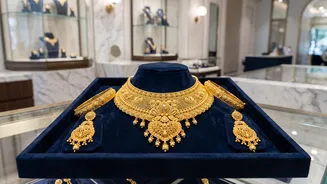
The price correction breathed life back into the market. According to the India Bullion and Jewellers Association (IBJA), gold demand surged by as much as 30% in volume terms during this year's Dhanteras-Diwali period compared to last year. In value terms, jewellers reported a rise of 15-20%, with preliminary estimates from the All India Gem and Jewellery Domestic Council (GJC) putting sales around the ₹60,000 crore mark for Dhanteras. However, this increase in value was largely driven by the higher price point compared to 2025, with the actual quantity of gold sold remaining largely flat. Consumers adapted their strategies: there was a noticeable shift towards lightweight jewellery, pieces with 14-carat or 18-carat purity, and smaller gold coins, allowing them to stick to tradition without breaking the bank.
The Enduring Allure of the Yellow Metal
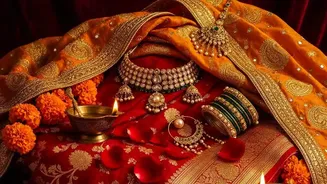
For many Indians, purchasing gold during Dhanteras and Diwali is about more than just investment; it's a deep-rooted cultural tradition symbolising wealth and prosperity. This emotional and cultural connection often overrides purely financial considerations. The timing of the festival early in the month, coinciding with the arrival of salaries and festive bonuses, also provided a healthy cash flow that encouraged spending. Furthermore, with the wedding season kicking off in mid-November, many families used the festive occasion to make advance purchases, adding to the demand. This confluence of cultural sentiment, strategic wedding buying, and a timely price dip created a perfect storm for jewellers, leading to brisk sales despite the high-price environment.
Looking Ahead: What's Next for Gold?
Experts remain divided on the short-term trajectory for gold. The path forward will likely be shaped by the same global factors that caused the recent volatility. A potential softening of the US Federal Reserve's hawkish stance, a weaker dollar, and any escalation in geopolitical tensions could push prices up again. Some analysts believe a recovery to the ₹1.50 lakh level on the MCX by the end of December is achievable if macroeconomic conditions turn favourable. For the Indian consumer, the key takeaway is that the market remains dynamic. While the festive rush may be over, the wedding season demand will continue to provide a strong underpinning for local prices.