



A Waterfall That Flows Upwards
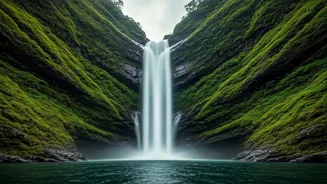
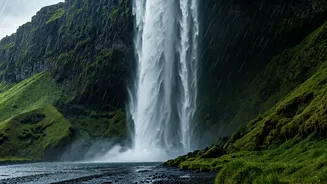
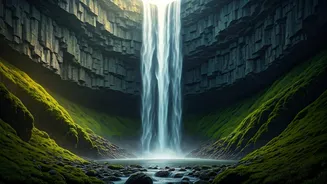
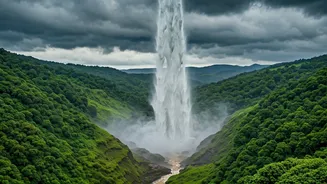
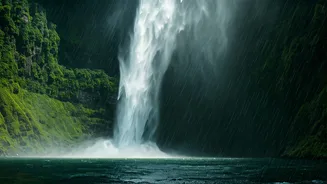
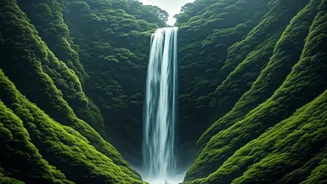
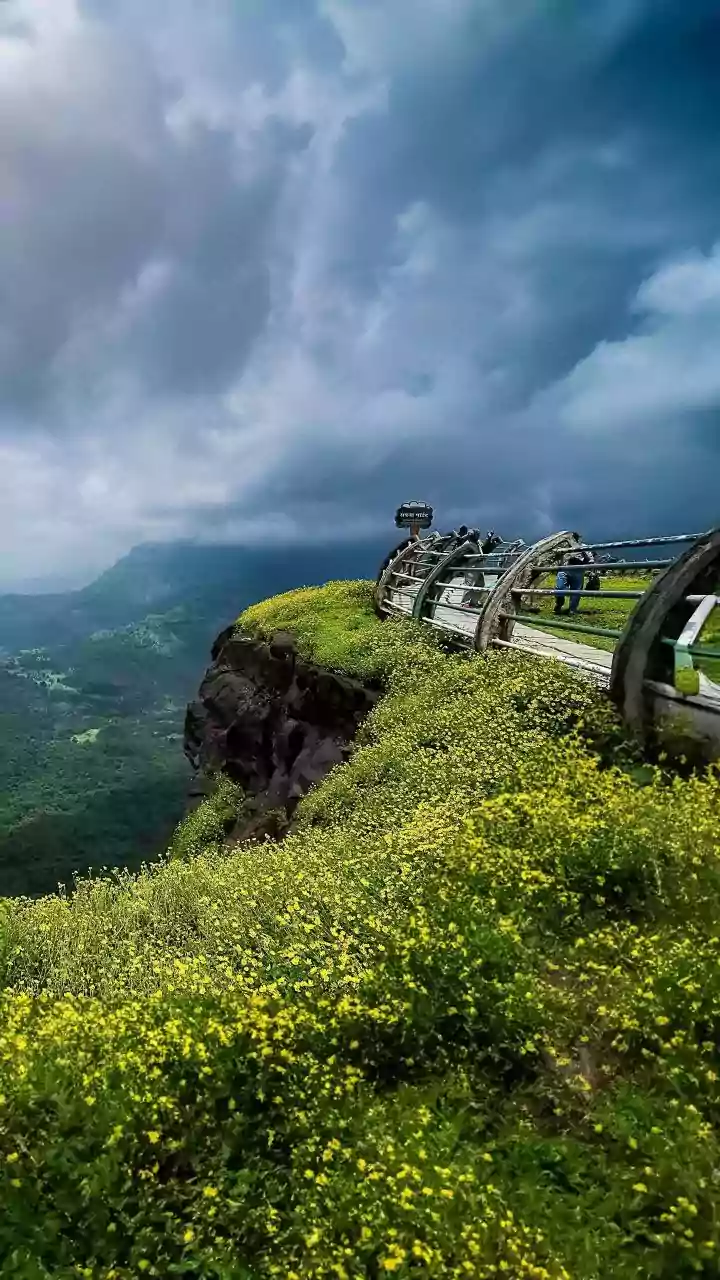
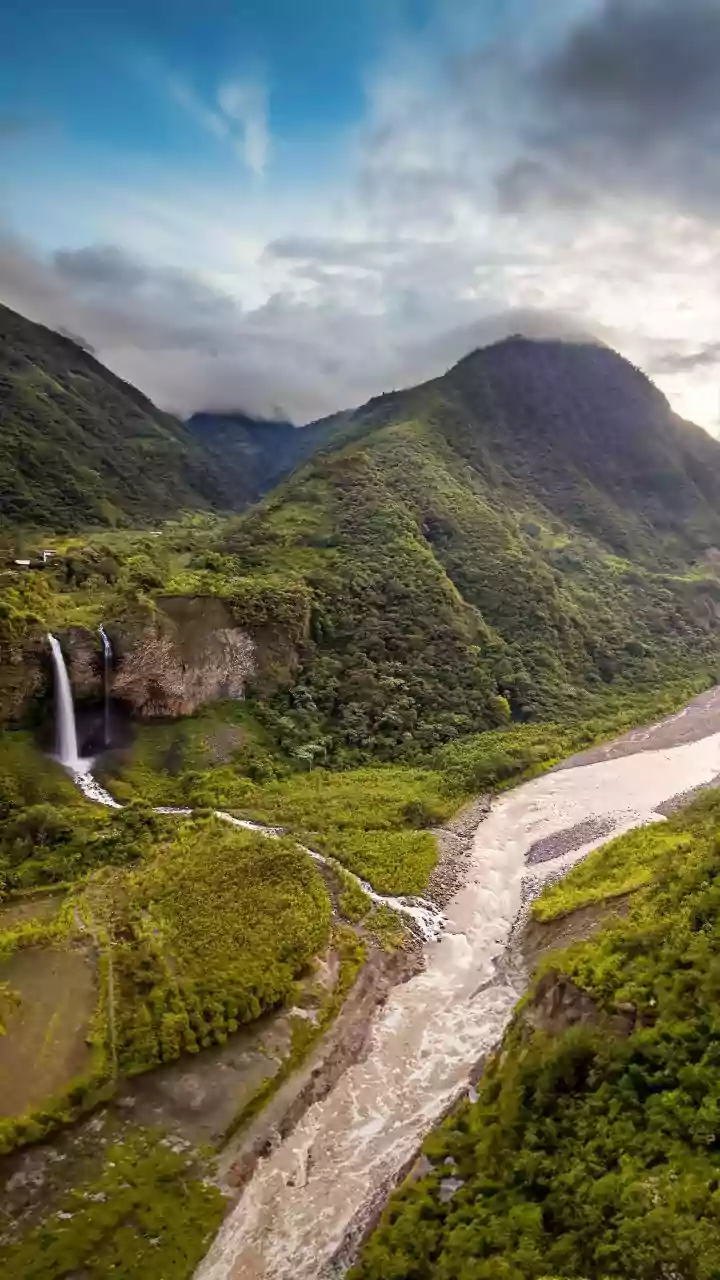
Picture this: you are standing at the edge of a cliff in the heart of the Western Ghats, surrounded by rolling hills cloaked in mist. A waterfall cascades over the edge, but instead of plunging into the valley below, its spray flies defiantly upwards,
drenching you in a cool, ethereal mist. This is not a scene from a fantasy film; it is the very real and utterly magical phenomenon of the ‘reverse waterfall’. During the peak of the monsoon season, this natural spectacle draws trekkers and nature lovers who come to witness water appearing to climb towards the sky, creating an experience that truly feels otherworldly.
The Simple Science Behind the Magic
While it may look like magic, the reverse waterfall is a beautiful display of physics. The phenomenon occurs in specific locations, most famously along the ridges of the Sahyadri mountain range in Maharashtra. During the monsoon, powerful winds are funnelled through the valleys and rush up the steep cliff faces. When these winds are strong enough, they hit the downward flow of a waterfall with such force that they push the water and its spray back up and over the precipice. The effect is a mesmerising illusion of water flowing in reverse. It’s a perfect storm of geography and meteorology, a reminder that nature is the world’s greatest illusionist.
The Legendary Naneghat Pass
One of the most famous places to witness this spectacle is Naneghat, a historic mountain pass located about three hours from Mumbai. The name translates to ‘Coin Pass’, a nod to its history as an ancient trade route where tolls were collected from traders. Carved caves and ancient inscriptions still dot the path, adding a layer of historical mystique to the natural wonder. The trek to the main viewpoint is moderately challenging, taking you through a landscape transformed by the monsoon. The reward for your efforts is not just the reverse waterfall but also panoramic views of the verdant valleys, often shrouded in a dramatic play of clouds and light.
More Than Just One Spectacle
The reverse waterfall may be the main draw, but the entire journey is an immersive monsoon experience. The Sahyadris during this season are a symphony for the senses. The air is thick with the scent of petrichor, the soundscape is a constant chorus of gushing streams and chirping insects, and every shade of green imaginable carpets the hills. Countless smaller, conventional waterfalls line the trekking routes, offering refreshing pit stops. Local villagers often set up small stalls, selling hot chai, roasted corn on the cob (bhutta), and piping hot bhajiyas—simple, delicious treats that taste infinitely better when you’re damp and happy after a good walk.
Planning Your Monsoon Pilgrimage
To catch this phenomenon, timing is everything. Plan your visit between July and September, when the monsoon is at its peak and the winds are at their strongest. Sturdy, waterproof footwear with good grip is non-negotiable, as the trails can be slippery and muddy. Wear quick-drying clothes and carry a light raincoat. It's crucial to check the weather forecast before you go, as conditions can change rapidly in the mountains. Always trek with a group or a local guide if you are unfamiliar with the terrain. Finally, be a responsible traveller. The beauty of these places lies in their pristine nature, so carry your trash back with you and respect the fragile ecosystem.